

Motorcycle shipping crates, built to measure
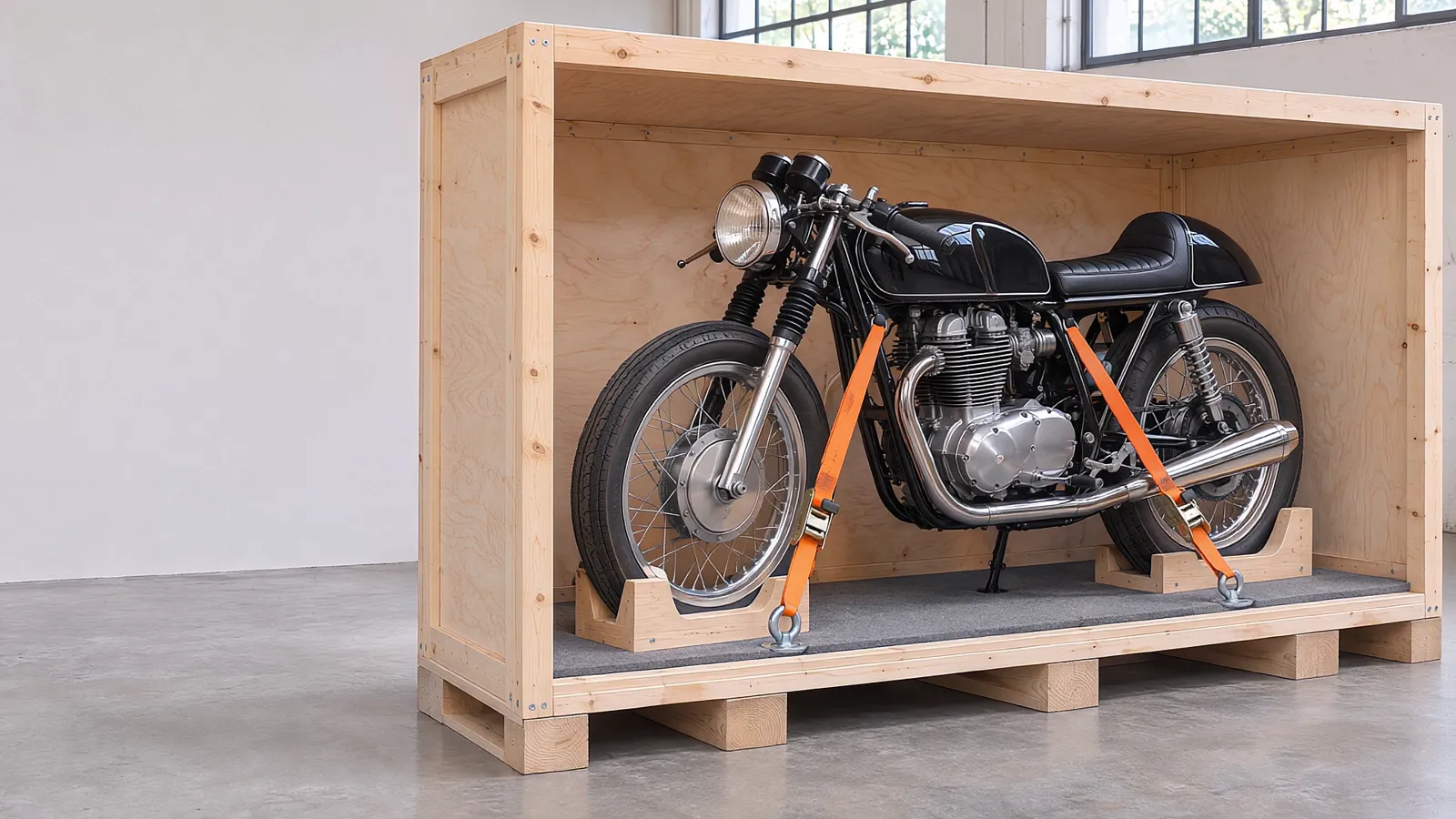
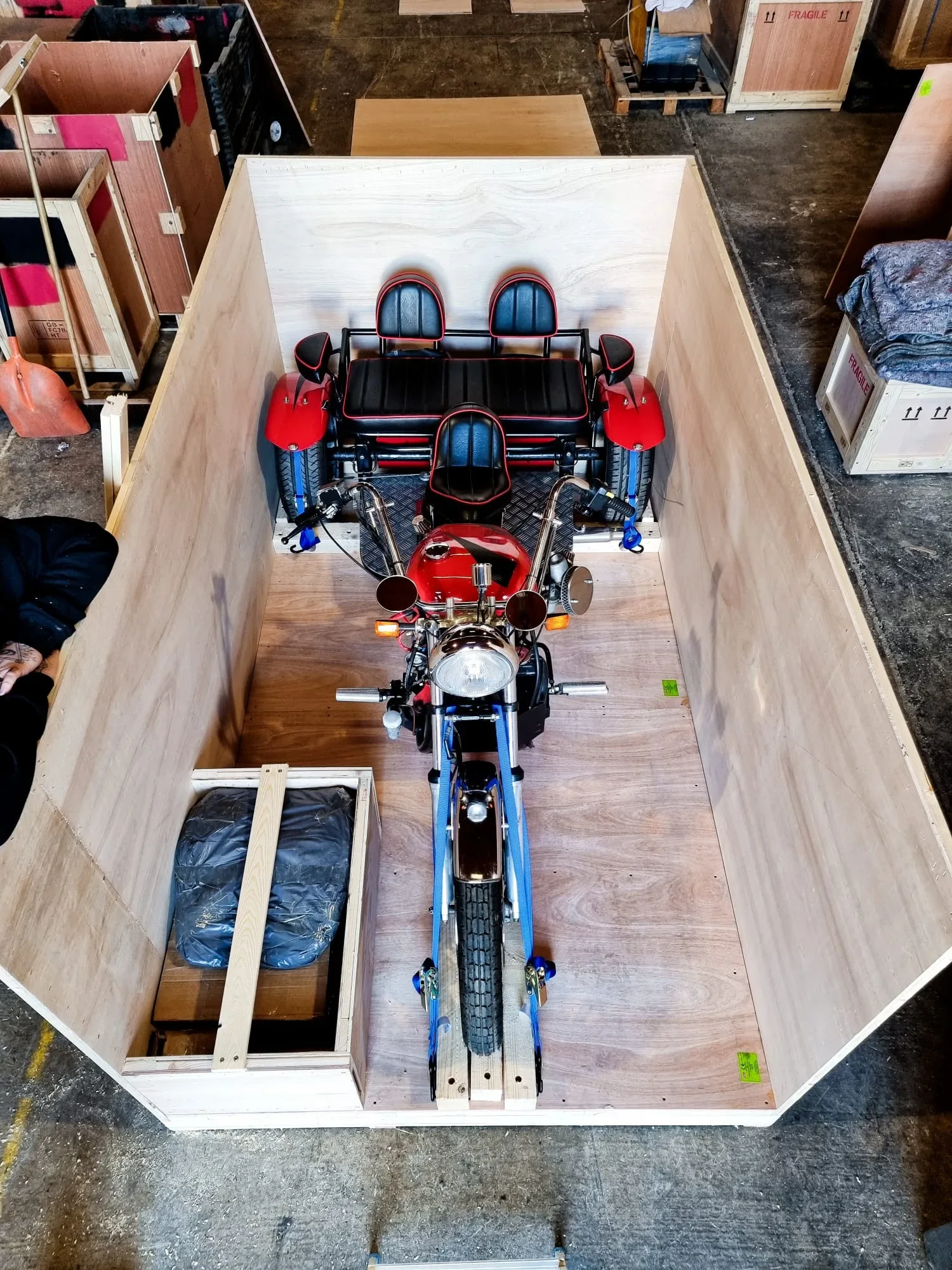
A classic motorbike or trike deserves the same care as fine art. A crate built around the bike, with the wheels chocked and the frame strapped down to eye-bolts in the floor, means it travels as one fixed load. We build crates for motorbikes and trikes, and for any object, item or weight.
Can you crate my motorbike?
Yes. We build crates for motorbikes and trikes, and for any object, item or weight. Send us the make, model, size and weight, where it's going and photos, and we'll quote for your bike.
This page explains how we crate a motorbike, what the shipping rules mean for fuel and batteries, and what you need to sort out yourself.
How is a motorcycle crated?
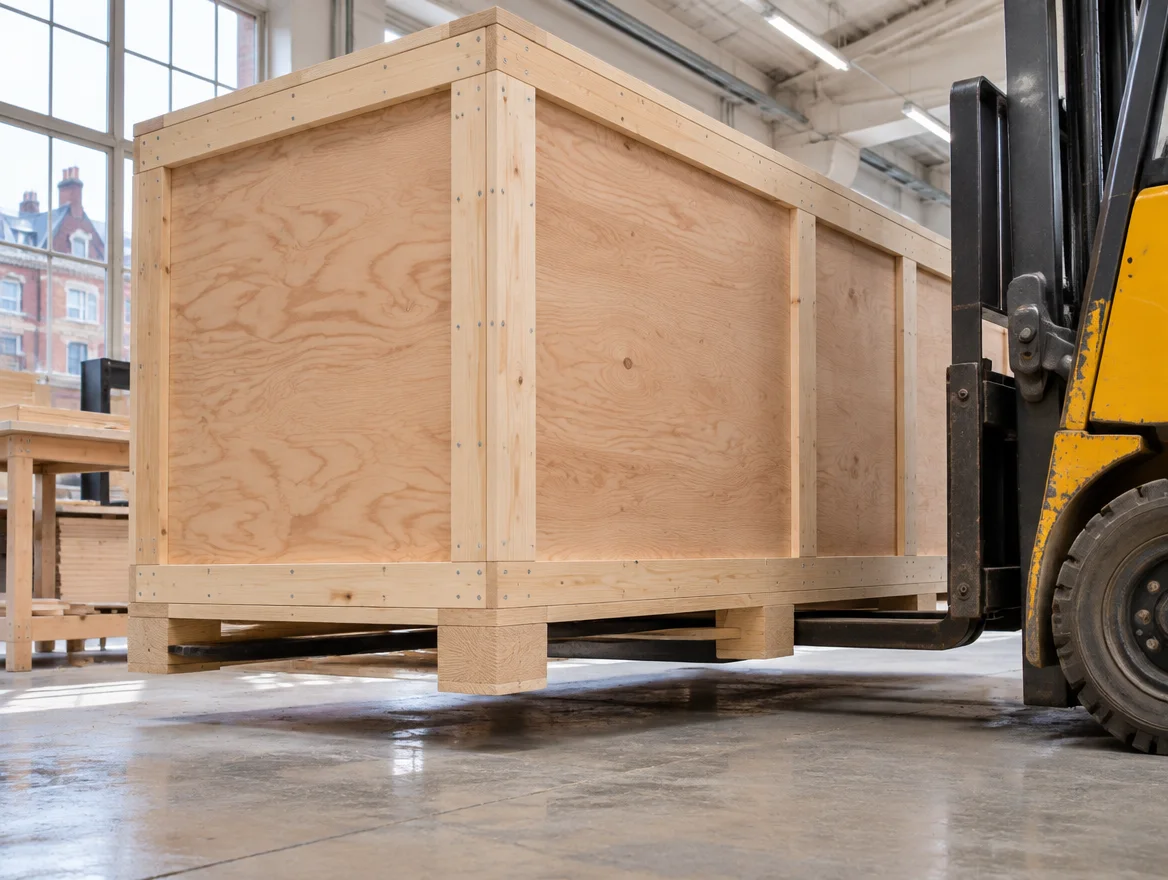
- 01A base that can be lifted
A timber base with space underneath, so the crate can be moved by forklift or pallet truck and loaded without the bike being wheeled anywhere.
- 02Wheel chocks fixed to the floor
Timber chocks screwed to the base, front and back, so the wheels sit in them and can't roll.
- 03Ratchet straps to floor eye-bolts
Straps run from strong points on the frame, front and back, down to eye-bolts in the crate floor, pulling the bike firmly onto its chocks.
- 04Padding where straps touch
Foam wherever a strap meets paint, chrome or the seat, so it can't rub or mark.
- 05Walls and lid
A plywood crate built to the bike's size, so nothing can fall onto it and nobody can sit on it or knock it in transit.
Fuel and batteries: the dangerous goods rules
A motorbike with fuel in it counts as dangerous goods for shipping. Its UN number is UN 3166, the entry for vehicles powered by flammable liquid. What that means in practice depends on how it travels, and the exact preparation is set by the shipping line or airline, so always check with whoever is carrying it. As a general guide:
Don't drain fuel or work on the battery yourself unless you know how. A motorbike mechanic can do it safely. These are general notes, not legal advice: the carrier's current rules always win.
| What's usually asked for | Check | |
|---|---|---|
| Fuel | Tank drained as far as possible and the cap closed tight. Sea carriers can then usually accept the bike as ordinary cargo under a special provision of the IMDG Code (the sea rules) | The carrier's own limit on fuel left in the tank |
| Battery | Disconnected, with the terminals and cable ends insulated so they can't short. Since January 2026 the sea rules say this more firmly | Whether the battery should travel removed |
| Leaks | No signs of leaking fuel, oil or battery acid | Clean off old leaks before collection |
| Electric and hybrid bikes | Lithium batteries have their own rules, which changed in 2026 | Check with the carrier before booking |
| Air freight | Stricter than sea, with its own paperwork | Ask the airline or forwarder |
Paperwork for exporting a vehicle
- Leaving the UK for good: the registered keeper normally tells the DVLA it has been permanently exported, using the V5C log book. Check the current steps on GOV.UK.
- Arriving in the US: US Customs (CBP) normally expects declarations for the EPA (emissions) and the DOT (safety standards) for an imported motorcycle, and a bike that doesn't meet them can be held. Rules differ for older and temporary imports. Check with a US customs broker before it ships.
- Arriving in Europe: import VAT, duty and registration rules vary by country. Check with the destination country.
We don't handle vehicle export or import paperwork. It's arranged by you, your shipper or a customs agent.
Door to door, or to the port?
A crated bike can be delivered to a door, or to a port or depot for you or your agent to collect. Door delivery abroad usually costs more but saves you a trip at the other end. Collecting from a port is cheaper but means clearing customs, paying any charges and arranging a van yourself. Tell us which you'd prefer and the full delivery address, and we'll quote for that.
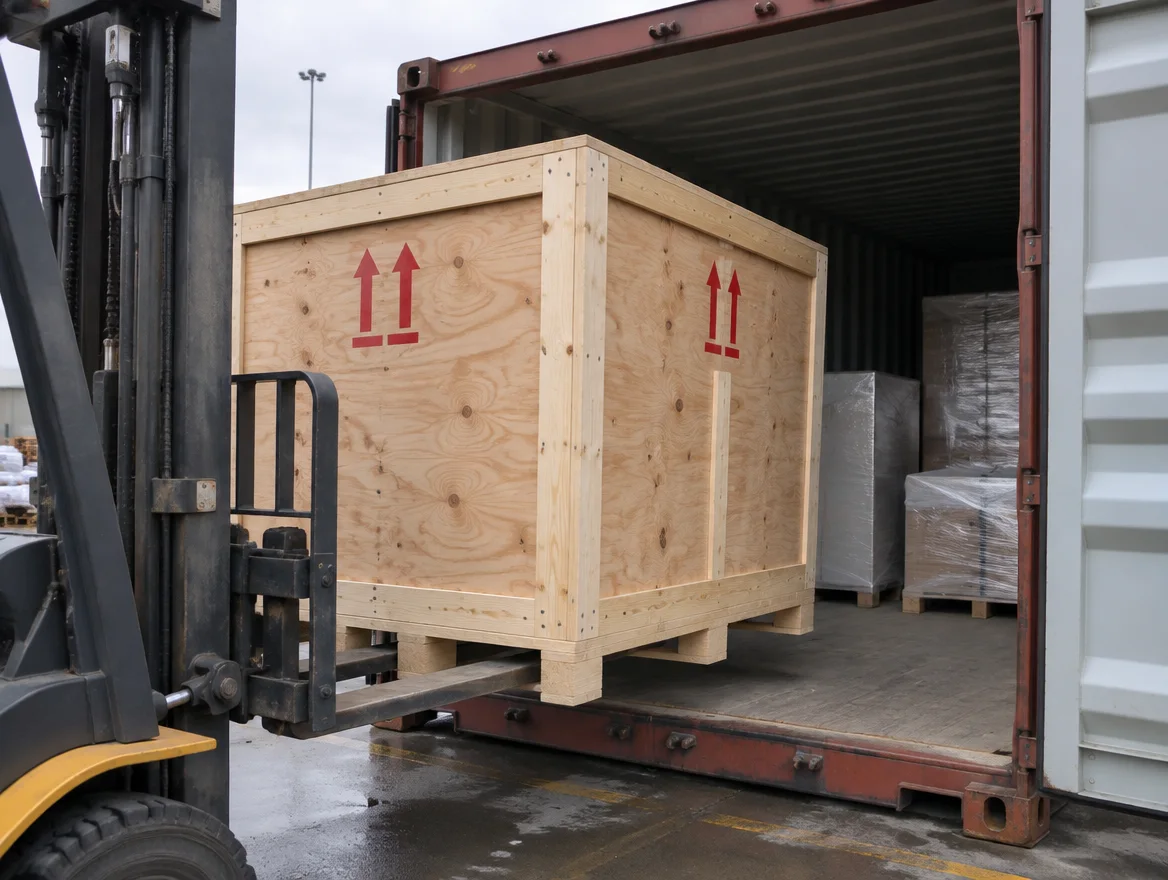
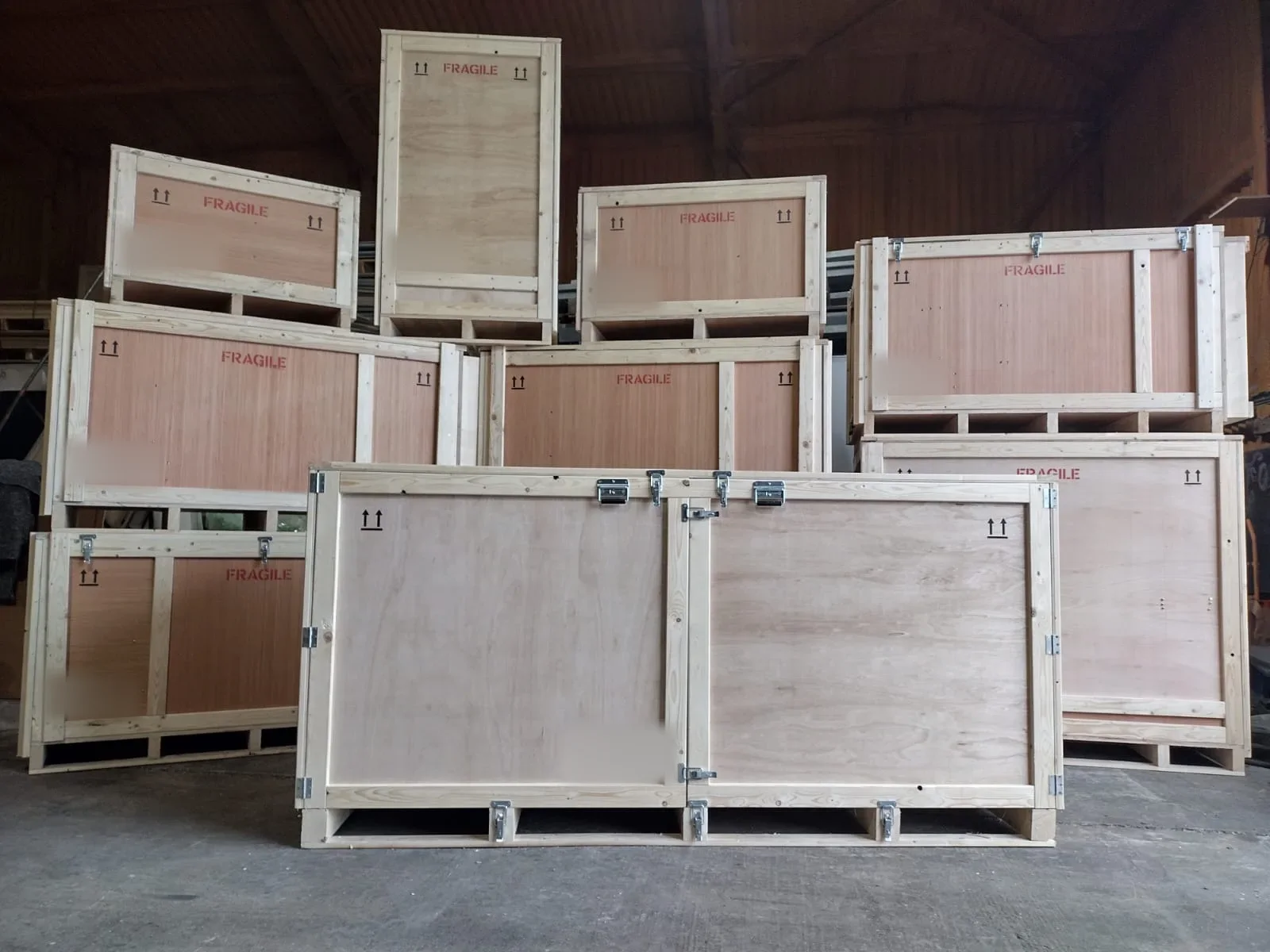
Send us a photo and the measurements.
We’ll recommend the crate, the lining and the supports, and come back with a bespoke quote.
Trikes, sidecars and other vehicles
A trike is wider and heavier, and its weight sits on three wheels, so the chocks and straps are planned around three contact points. We crate sidecar outfits and other vehicles too: send us photos and sizes and we'll design the crate around them.
Why crate a bike at all?
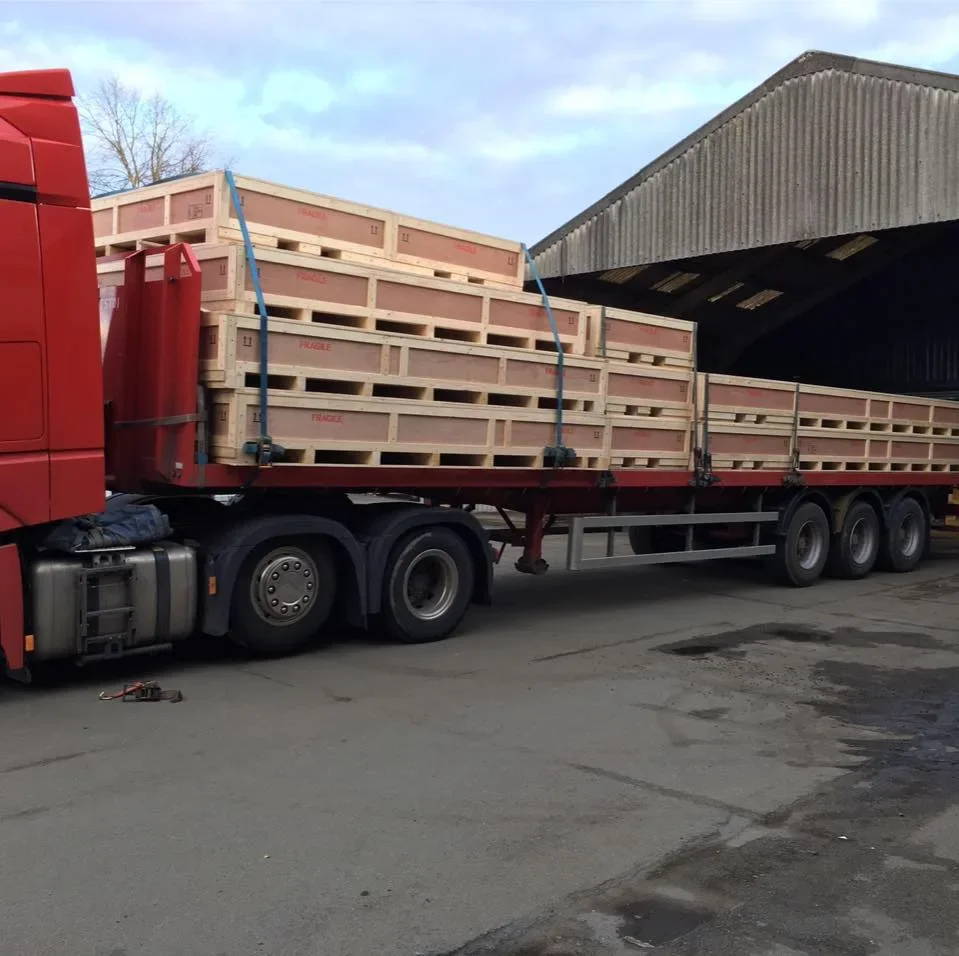
Most bikes are shipped strapped to a pallet or loose in a container. For an everyday bike that can be fine. For a classic, restored or collectable machine, a crate means it is never wheeled on and off, never has other freight stacked against it and is protected on every side. It also makes the bike easy to handle as one solid load.
Classic and restored bikes: a few extra cares
- Paint and chrome. Straps never go straight over paint, chrome or polished alloy. Foam goes under every contact point.
- Suspension. Straps are pulled firm, not crushed down. Over-compressing old forks and shocks for a long journey can damage seals.
- Oil and fluids. Check for weeps before it goes. A small drip over a few weeks can mark the crate floor and anything nearby.
Unpacking at the other end
Open the crate on level ground with room to roll the bike out. Release the straps slowly, front and back, with someone holding the bike upright. Lift the wheels out of the chocks rather than forcing them over. Reconnect the battery, check tyre pressures and fluid levels, and add fuel before starting it. If it has been in the crate for a long time, a quick check by a mechanic is a good idea.
What to tell us for a quote
- Make, model and year
- Length, width and height (handlebars and mirrors included), and weight
- Petrol, electric or hybrid
- Any fairings, screens or parts that come off
- Photos from both sides
- Collection and delivery addresses, and when it needs to arrive
Then request a quote. For more on how our crates are built, see bespoke crates.
Before collection
- Fuel run down or drained, by a mechanic if needed
- Battery disconnected and terminals covered (or as the carrier asks)
- No fluid leaks; drip trays cleaned
- Mirrors, screens and loose accessories removed and bagged
- Your own photos of the bike, all sides
- Keys and paperwork ready to hand over as agreed
- Transit insurance arranged for its value
Transit insurance is available for every export and bought by you, job by job. See insurance.
Common questions
Can you crate my motorbike? +
Yes. We build crates for motorbikes and trikes, and for any object, item or weight. Send us the make, model, size and weight, where it's going and photos, and we'll quote for it.
Does the fuel tank need to be empty to ship a motorbike? +
Usually it needs to be drained as far as possible and closed tight. A motorbike with fuel counts as dangerous goods (UN 3166), and sea carriers can usually treat it as ordinary cargo once the tank is drained and the battery disconnected. The carrier's own rules decide.
Should the battery be disconnected? +
Yes, as a rule. The battery is disconnected and the terminals insulated so they can't short. Some carriers ask for it to be removed. Electric and hybrid bikes have separate rules.
How is a motorbike held inside a crate? +
Wheel chocks fixed to the crate floor, and ratchet straps from the frame to eye-bolts in the floor, front and back, with padding wherever a strap touches the bike.
Can a crated motorbike go by air? +
Sometimes, but air rules for vehicles are stricter than sea and need their own paperwork. Check with the airline or forwarder.
Do I need paperwork to import a motorbike into the US? +
Usually yes. US Customs normally expects EPA and DOT declarations for an imported motorcycle. We don't handle this paperwork, so check with a US customs broker before it ships.
How much does it cost? +
Every quote is bespoke, based on the item itself: its size, weight, where it's going and how quickly. Send us the details and we'll come back with a price.
Is the bike insured in transit? +
Transit insurance is available for every export. It's bought by you, job by job, so the cover matches what's being shipped. We also have public and product liability insurance.
Related
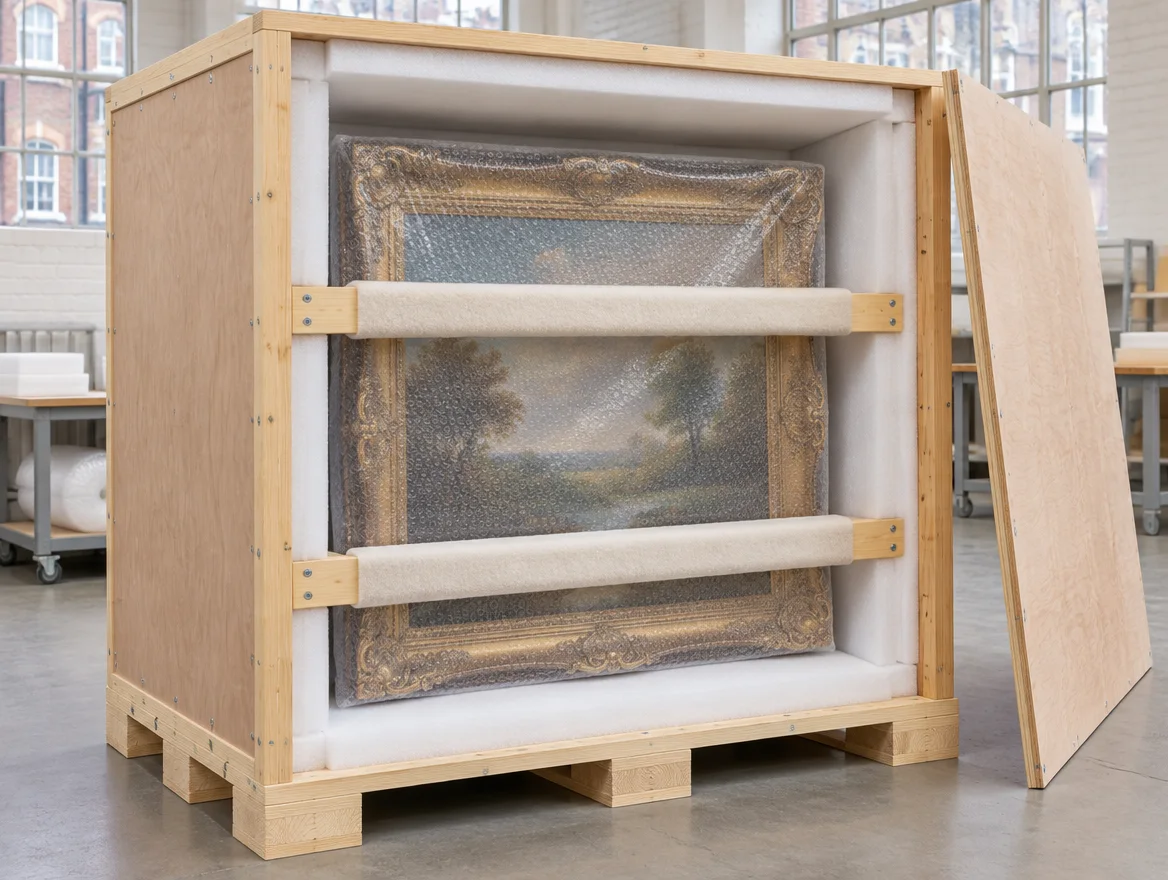
Built to measure around your item.
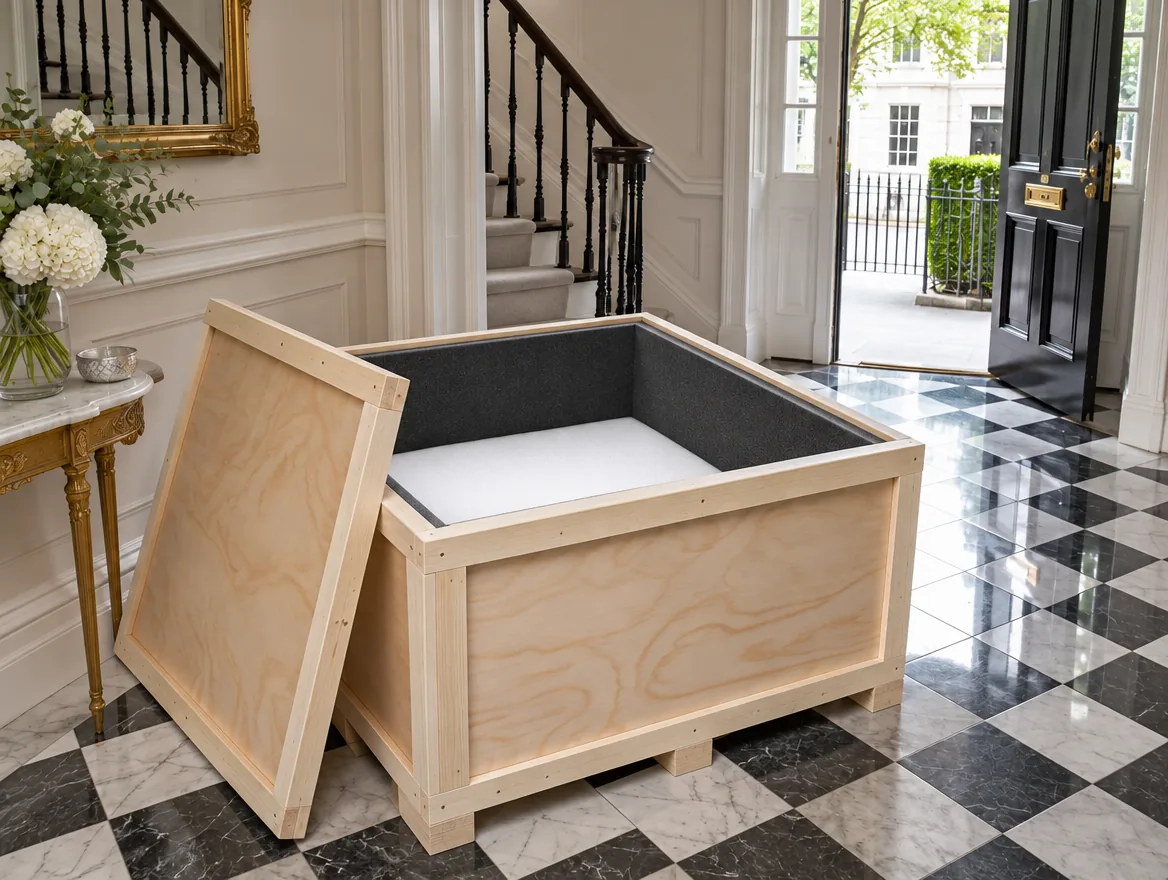
You measure, we confirm, build and deliver.
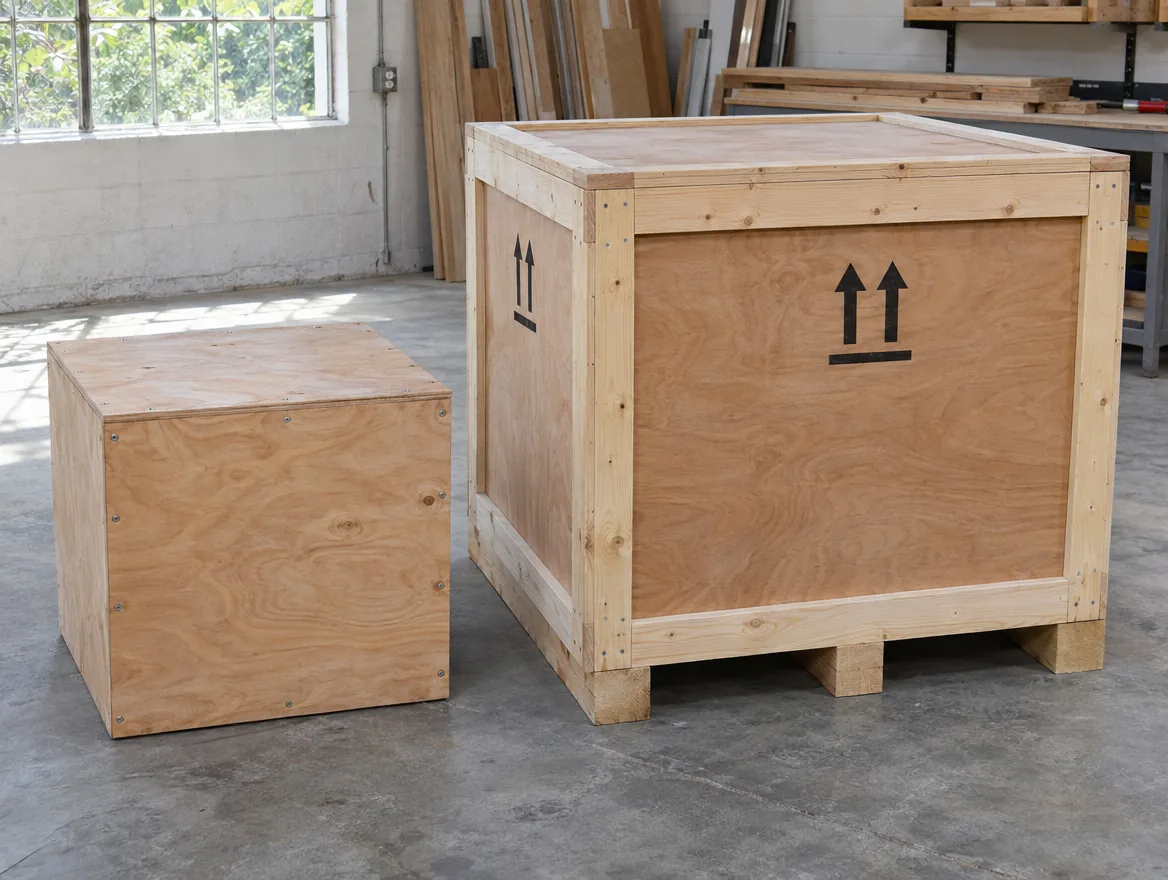
Plain plywood box or timber-framed crate: which one you need.
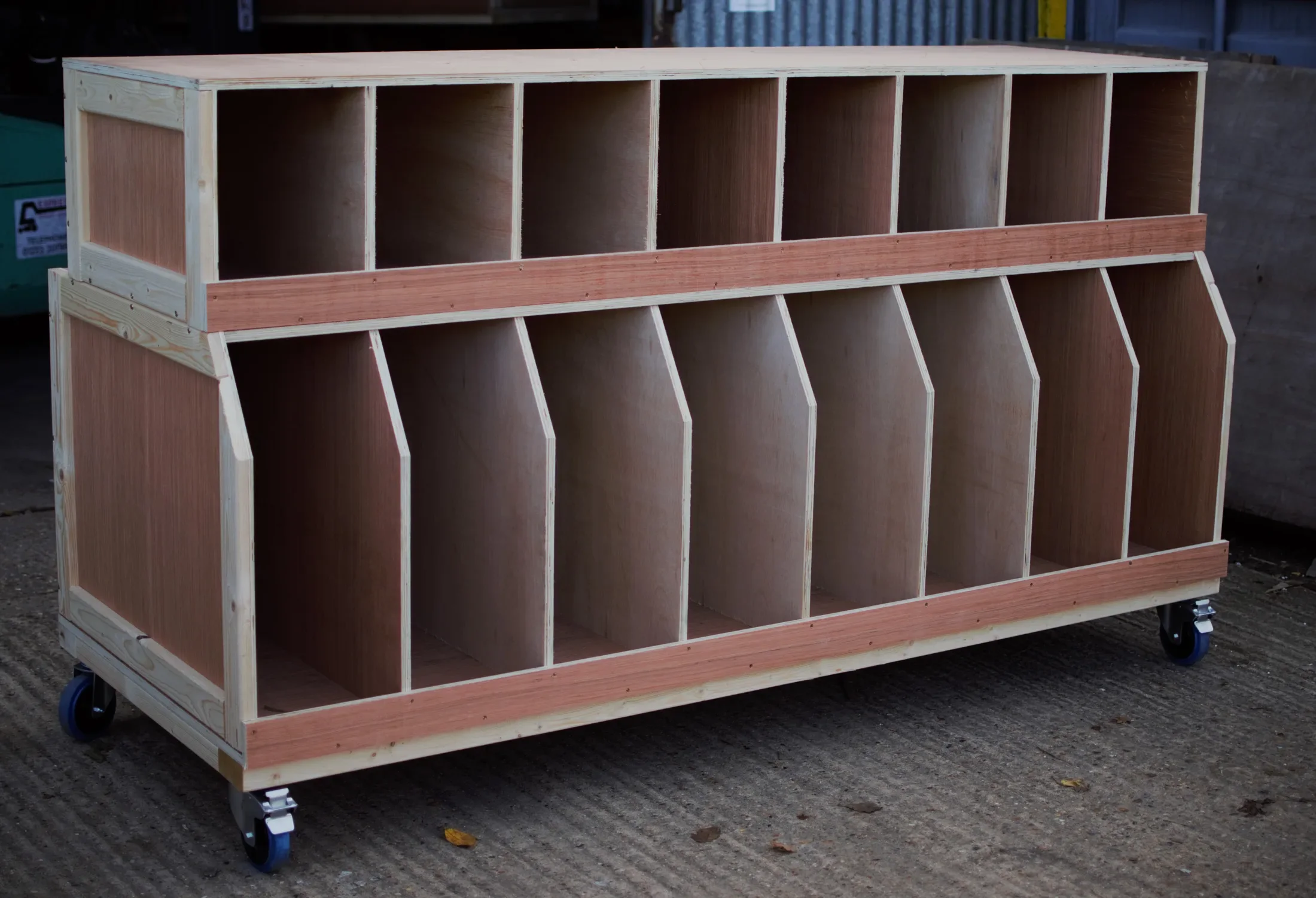
Swipe for more →
Tell us what needs to travel.
Every quote is bespoke, based on the piece itself. Send us the details and we'll come back to you.