

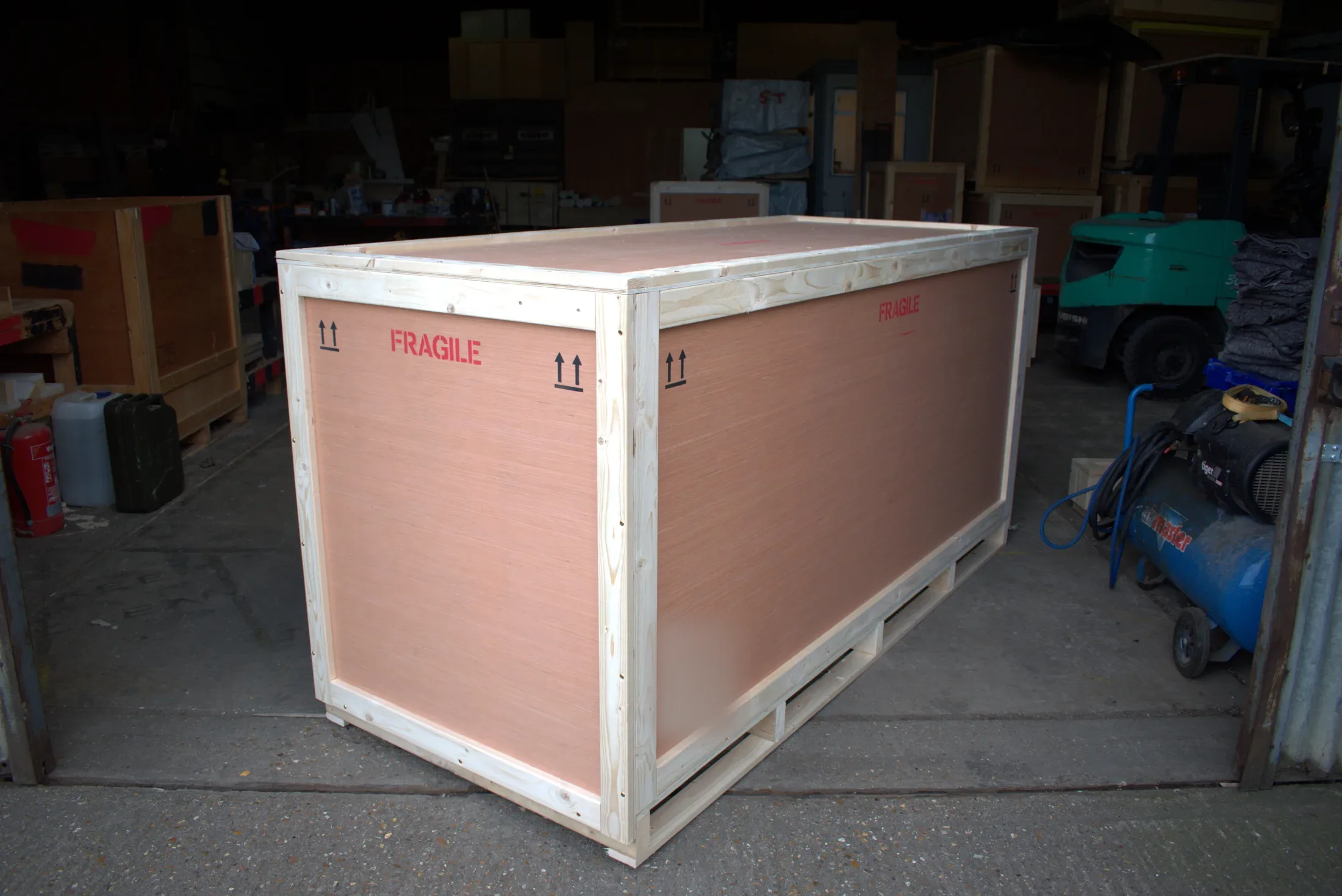
Shipping art from the UK to the USA
The United States is one of our most common destinations. We collect your painting, sculpture or antique in London, pack it by hand, build a crate around it and organise the shipping to its new address in the States. We don't handle customs paperwork, but this page explains the whole journey, the paperwork you or your agent will need on both sides, and the questions worth asking before anything moves.
- Route
- London to anywhere in the US
- Collection
- In and out of London
- Insurance
- Transit cover per job
- Hours
- 9am to 4pm, 7 days a week
How do you ship art from the UK to the USA?
The short answer: have it packed and crated for the journey, get the export and import paperwork right, insure it for its real value and choose how it travels. Once your quote is confirmed, we handle the collection, packing, crating and shipping. All we need are the item details and the collection and delivery addresses. The export and import paperwork is arranged by you, your shipper or a customs broker.
More detail on each stage is on how it works.
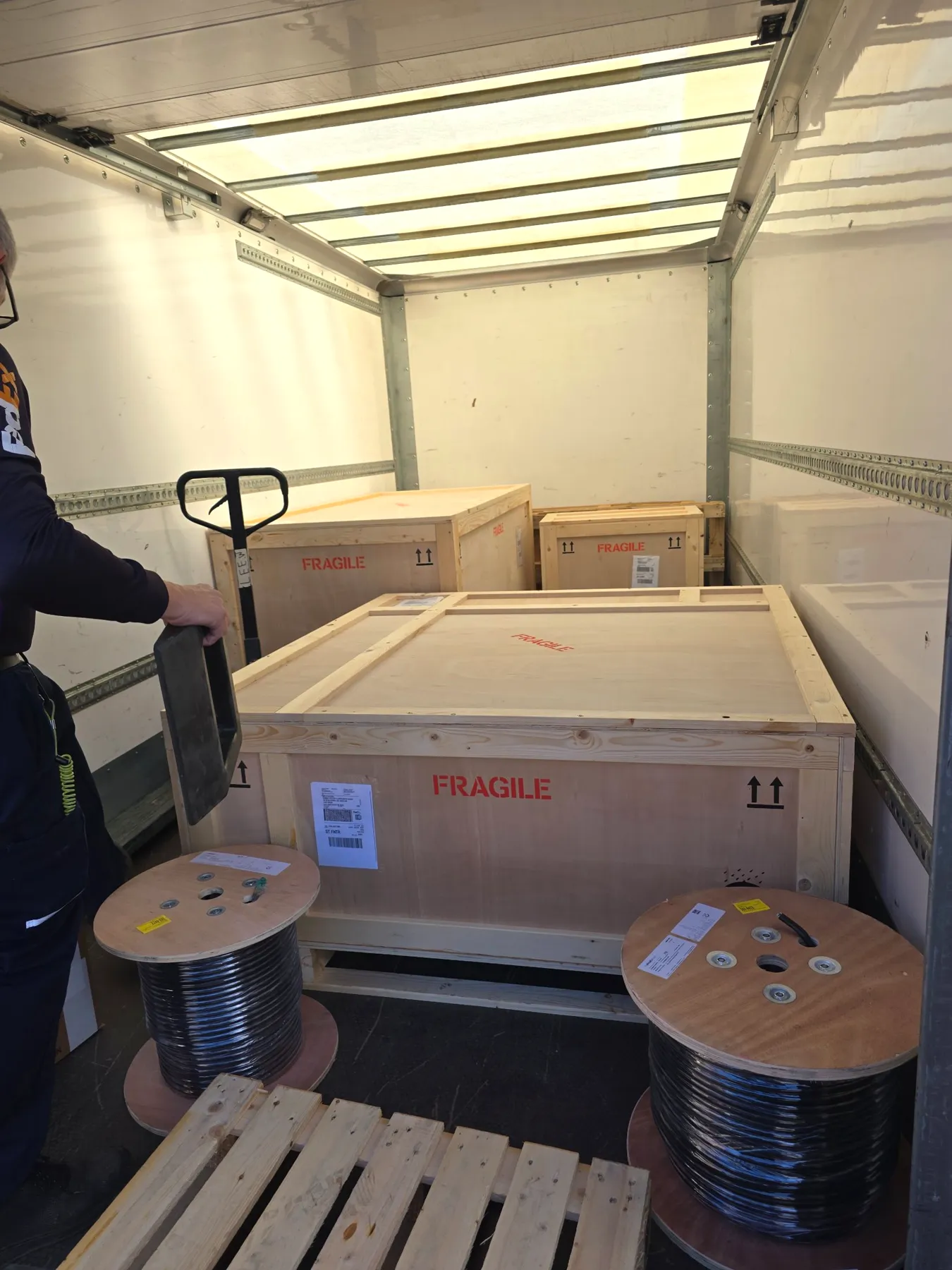
- 01Quote
Tell us what it is, its size and weight if you know them, and both addresses. Photos help. Every quote is bespoke, based on the piece itself.
- 02Collection
We collect it ourselves, in or out of London. The person who collects your piece is the person who packs it.
- 03Packing
The surface is protected first, then the piece is held still with the right lining: high density foam, HLB22 soft foam or polystyrene.
- 04The crate
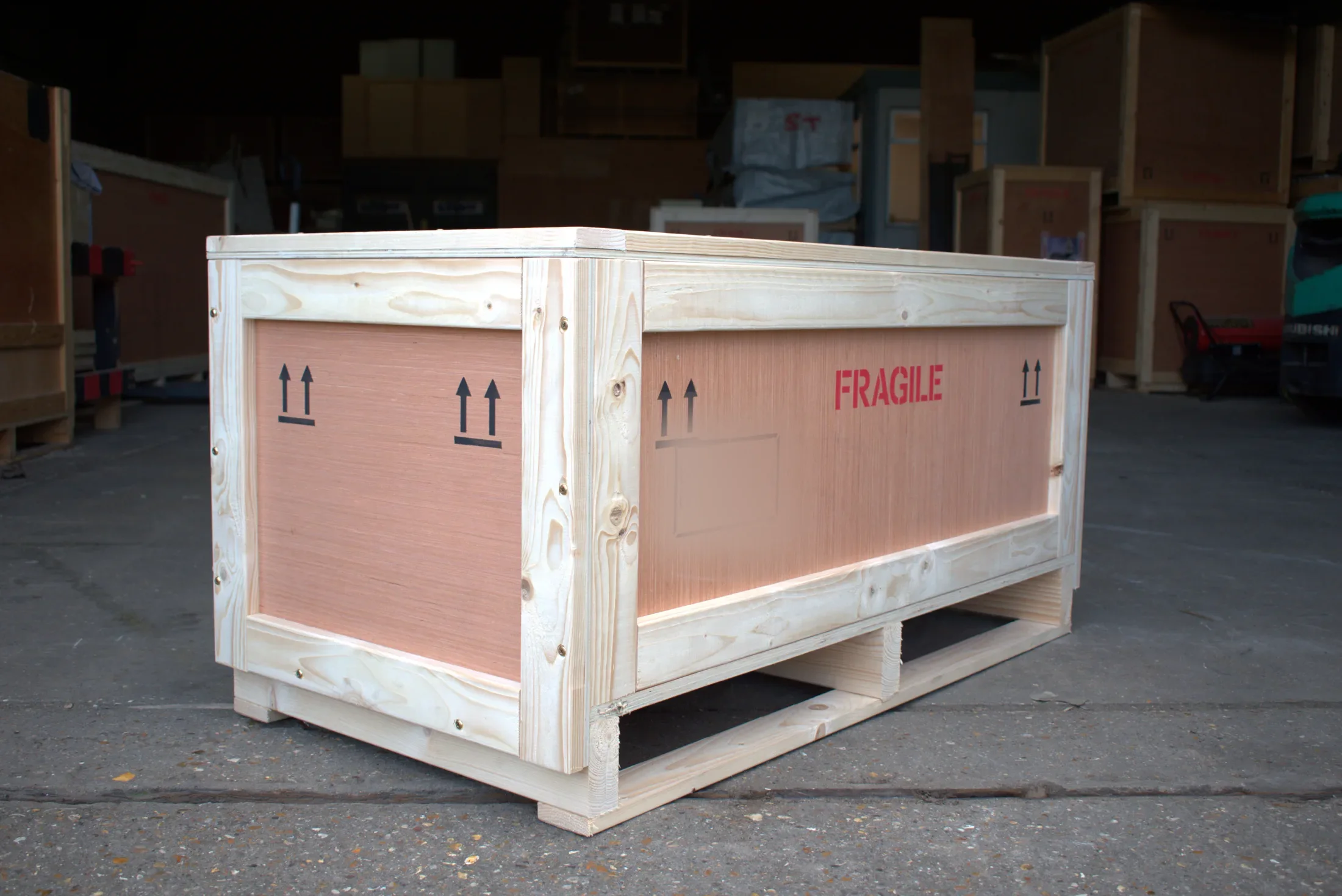
Timber and plywood, built to measure, marked Fragile and This way up. Wooden packaging crossing borders usually has to meet ISPM 15: ours are heat treated and carry our own registered stamp.
- 05Export from the UK
You, your shipper or a customs agent declare the shipment for export, and get any licence an older or valuable piece needs before it leaves. We don't handle this paperwork.
- 06Into the US
Your importer or their customs broker enters the shipment with US Customs and Border Protection (CBP), duty is assessed if any is due, and it's released for delivery.
- 07Delivery
Delivered to the address you gave us. Ask us whether your quote runs to the door, or to a warehouse or port for collection.
Packing for a transatlantic journey
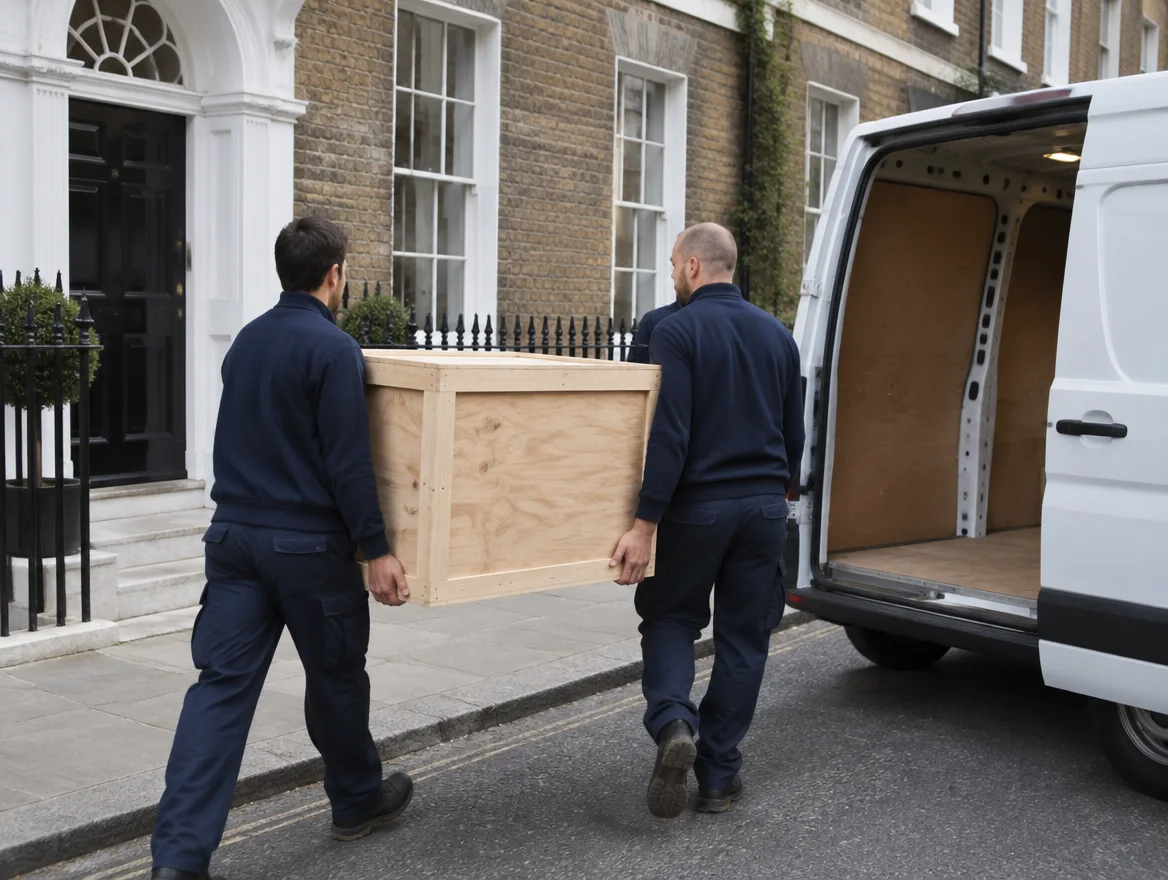
A painting going to New York or Los Angeles is handled more times than one going across town: loaded, unloaded, moved through a warehouse or airport, inspected, then delivered. Each handover is a chance for a knock or a drop. A crate built to measure is the answer, because the piece can't move inside it and the crate takes the knocks instead.
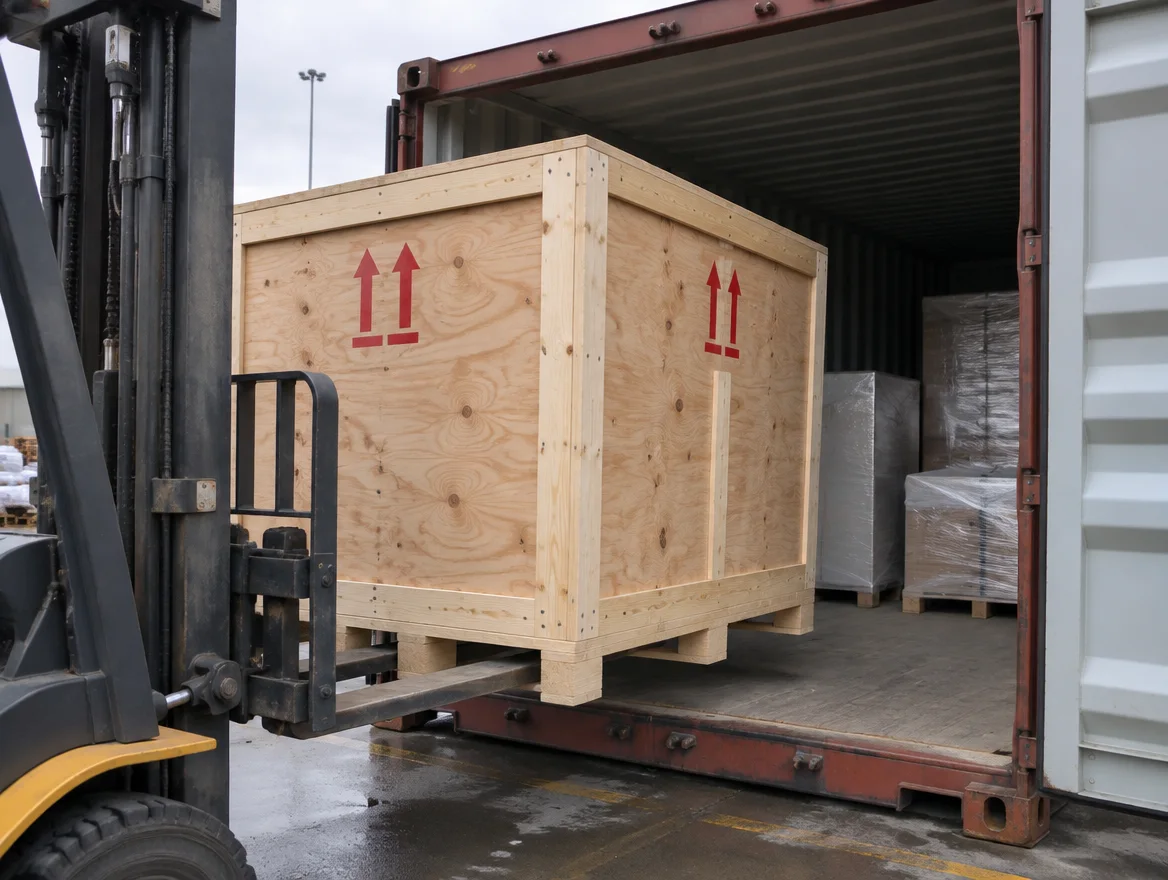
We recently built a heavy duty crate for a gallery sending over 500 kg of concrete street art to the United States. See how that crate was built.
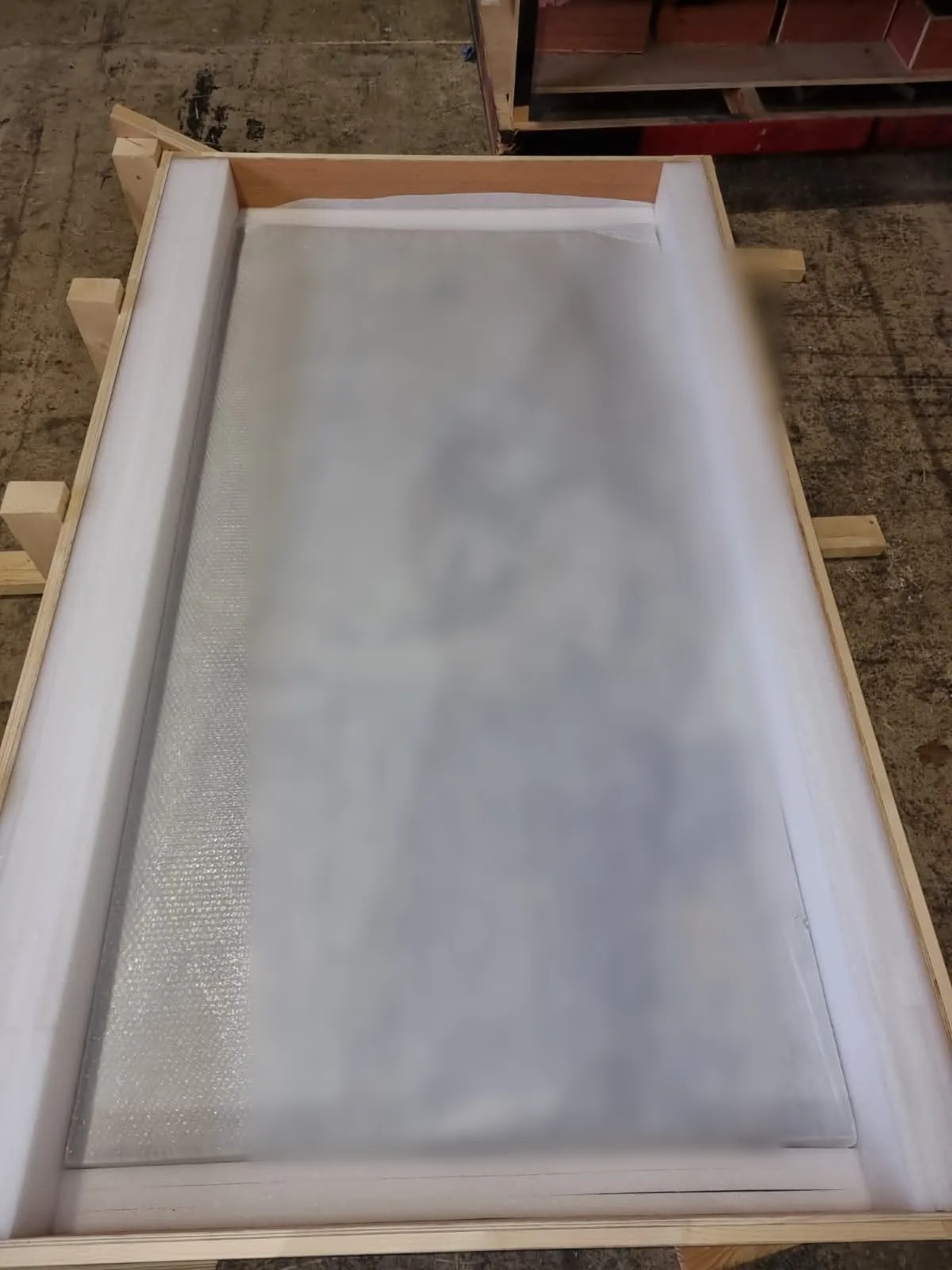
Surface protected first, then held on all sides so the frame never takes the weight. Glazed works have their glass taped. See paintings.
Held with high density foam blocks so the weight can't shift. Heavy crates are built on a base that can be lifted. See sculpture.
Packed for their weak points: glass, moving parts, old joints. See antique shipping.
Paperwork on the UK side
Art leaving Great Britain is an export, so it has to be declared to HMRC. We don't handle customs paperwork. The declaration is normally made electronically by you, your shipper or a customs agent, using details of the piece, its value and the person or business sending it.
- Export declaration. Lists what the item is, its value and where it's going. Proof of export also matters if VAT is involved on a sale.
- Export licence, for some pieces. Cultural goods over 50 years old and above certain values need an individual licence from Arts Council England before they can leave the UK. Below those values, a general licence usually covers them. The thresholds are explained on our antique shipping page.
- Endangered materials. Anything containing ivory, tortoiseshell or some rosewoods may need CITES permits to leave the UK and to enter the US. More on this below.
Rules on exports, licences and duties change, so you or your agent will need to check the current position for your piece before it ships. What we do is make sure the crate is ready for the journey: clearly labelled and easy to open and close again if customs want to look inside.
Is there import duty on art going into the USA?
Usually not on original art, but it depends on what the piece is and how it's classified. US duty is set by the Harmonized Tariff Schedule (HTS), and works of art sit in chapter 97.
The 2026 tariffs. The US has changed its extra tariffs several times since 2025. From 24 July 2026 new tariffs apply to goods from many countries, including the UK. CBP's guidance for those tariffs lists informational materials, which include artworks, as exempt, and the final notice excludes certain antiques, collectibles and art. Exactly which pieces qualify depends on how each one is classified, so a customs broker should confirm it for your shipment.
Classification matters. A sculpture described loosely as a lamp, or a carved piece entered as decorative furniture, can fall outside chapter 97 and attract duty. Antiques have to be over 100 years old at the time of import to be entered as antiques, and evidence of age helps. Clear, accurate descriptions and invoices avoid most problems.
Entry type. Shipments worth more than $2,500 normally need a formal entry with CBP, usually filed by a licensed customs broker. Lower value shipments can often use a simpler informal entry, but CBP can ask for a formal entry on anything.
There's no national VAT in the US, but some states charge sales or use tax on items bought from abroad. The buyer should check their own state's rules.
| What it is | HTS heading | The usual position (check before shipping) |
|---|---|---|
| Original paintings, drawings and pastels | 9701 | Normally duty free when correctly classified |
| Original prints and lithographs | 9702 | Normally duty free when correctly classified |
| Original sculpture and statuary | 9703 | Normally duty free when correctly classified |
| Antiques over 100 years old | 9706 | Normally duty free under the HTS, but check how the 2026 extra tariffs apply |
| Decorative items, furniture or reproductions | Other chapters | Duty can apply, at the rate for that kind of goods |
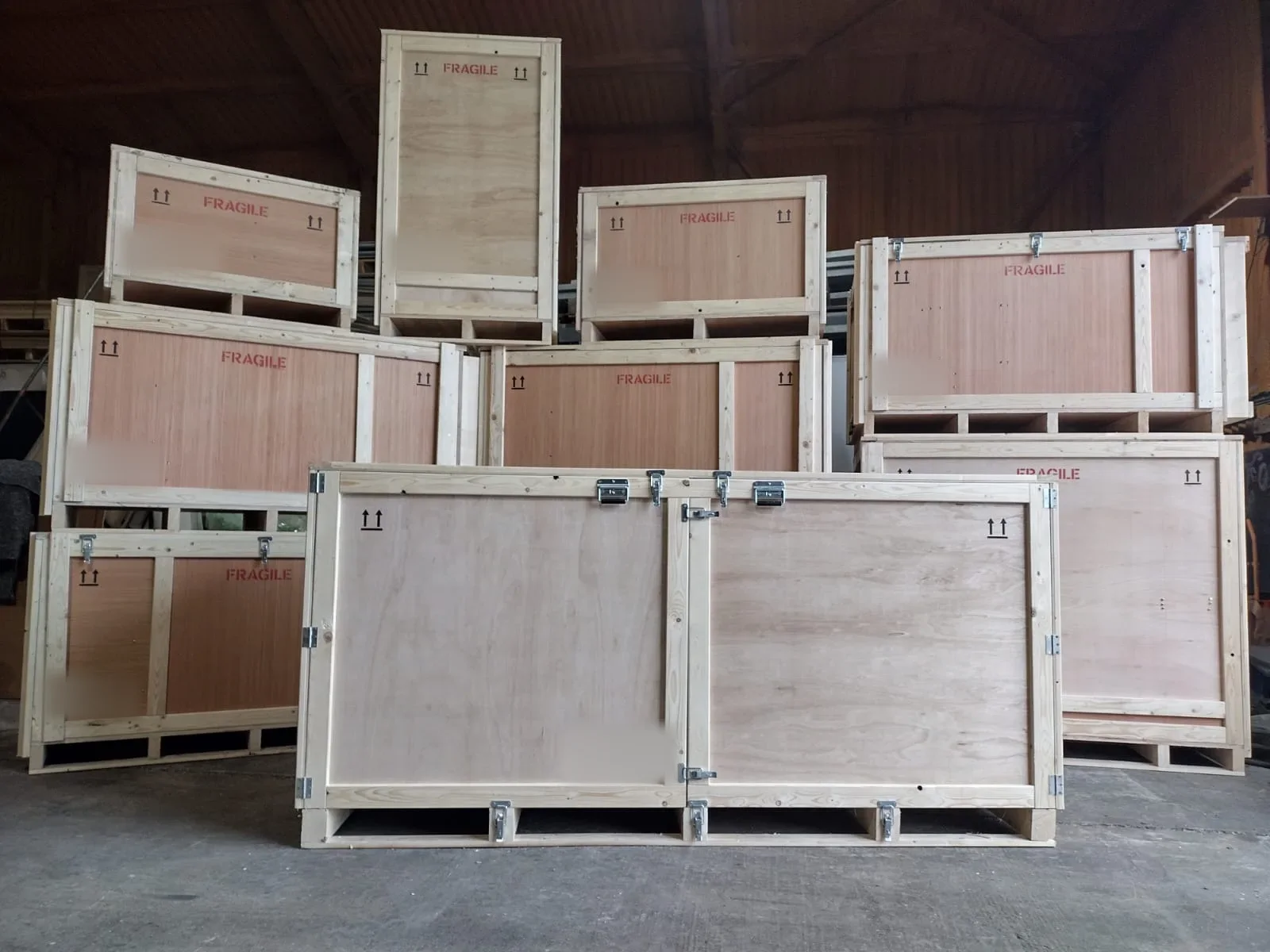
Send us a photo and the measurements.
We’ll recommend the crate, the lining and the supports, and come back with a bespoke quote.
Air or sea?
Most art travels by air or by sea. Neither is always better. It depends on the piece, the deadline and the budget.
A crate going by sea also has to cope with longer exposure to changes in temperature and humidity, which matters for paintings on canvas and panel. We pack with the route in mind. Tell us if there's a deadline, such as an exhibition opening or a move date, and we'll give you the options.
| Air freight | Sea freight | |
|---|---|---|
| Usual speed | Days rather than weeks | Weeks, plus port handling |
| Cost | Usually higher, priced on weight and size | Often lower for large or heavy crates |
| Size limits | Limited by aircraft hold and door sizes | Very large crates can fit in a container |
| Handling | Fewer days in transit, more handovers at airports | Longer journey, crate sits in a container |
| Suits | Paintings, smaller works, deadlines | Heavy sculpture, furniture, whole collections |
What affects the cost?
We never use a standard rate card, because two paintings of the same size can need very different crates. These are the things that shape your quote:
- The size and weight of the piece, and so the size of the crate
- How fragile it is: glass, gilding, loose parts or a delicate surface
- The lining it needs and how thick
- Where it's collected from, and any access issues like stairs or narrow doors
- Air or sea, and how quickly it needs to arrive
- Whether delivery is to the door or to a port or warehouse
- The insurance you choose for its value
If you're comparing quotes, check each one covers the same things: packing, the crate, delivery and insurance. Customs paperwork isn't part of our quote: it's arranged by you, your shipper or a customs broker, so allow for it separately. A cheaper quote that leaves out the crate often costs more in the end. Request your quote here.
Questions to ask before it ships
- When does it need to arrive, and is that date fixed?
- Is delivery to the door, or will someone collect it from a warehouse or port?
- Who is the importer in the US, and do they have a customs broker?
- Is the piece over 50 years old, and roughly what is it worth? (This decides the UK export licence question.)
- Does it contain ivory, tortoiseshell, rosewood or other protected materials?
- Is transit insurance in place for its full value, from collection to delivery?
- Will someone be there to receive it, and is there access for a crate of that size?
Not sure about some of these? That's normal. Your shipper or a customs broker can help with the paperwork questions, and we can talk you through the packing and the crate.
Insurance for the journey
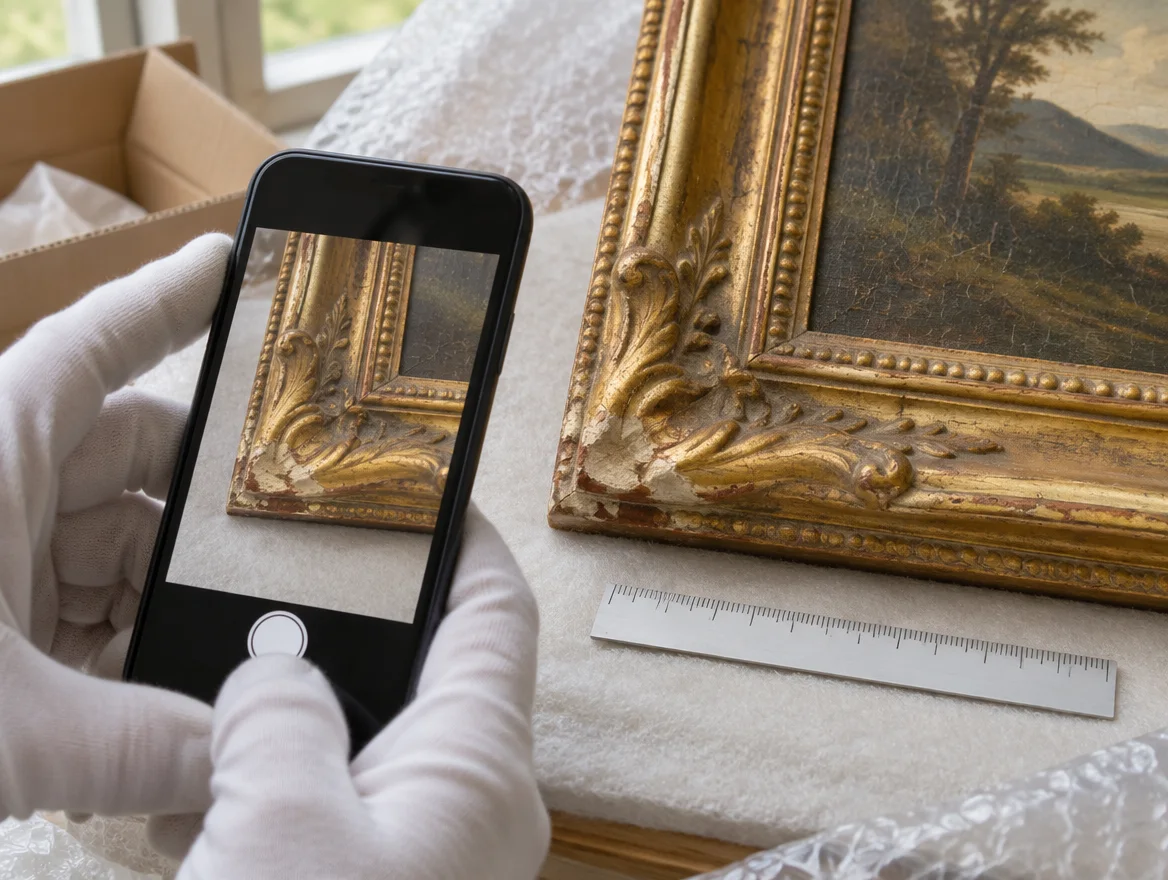
Carriers' own liability is limited by weight, not by what a piece is worth. For art and antiques, separate transit insurance for the real value is the safer choice. Transit insurance is available for every export, bought by you job by job, so the cover matches the piece. Our insurance page explains the types of cover and what to photograph before your piece leaves.
Common questions
How do I send art from the UK to the USA? +
Have it packed and crated for the journey, make sure the export and US import paperwork is right, insure it for its value and choose air or sea. Once your quote is confirmed, we handle the packing, crating and shipping, and just need the item details and both addresses. The export and import paperwork is arranged by you, your shipper or a customs broker.
Is there import duty on artwork going to the USA? +
Original paintings, prints and sculpture are normally duty free into the US when correctly classified under chapter 97 of the US tariff. The extra tariffs introduced in 2026 have exemptions for artworks, but rules have changed several times, so check the current position for your piece with a customs broker before it ships.
Are antiques duty free into the US? +
Antiques over 100 years old are normally duty free under the US tariff, as heading 9706. Evidence of age helps, and you should check how the 2026 extra tariffs apply to your piece, because the position on antiques has been less clear than on original art.
Do I need an export licence to send a painting to America? +
Only for some pieces. Cultural goods over 50 years old above certain values need an individual licence from Arts Council England. For example, the threshold for oil paintings has been £180,000. Check the current figures. We don't apply for licences, so you, your shipper or a customs agent will need to sort this before it ships.
Should I send art by air or by sea? +
Air is faster and suits paintings and smaller works with a deadline. Sea is slower and often better value for heavy sculpture, furniture or several pieces together. We'll give you the options for your piece.
How much does it cost to ship a painting from the UK to the USA? +
It depends on the painting: its size and weight, how fragile it is, the crate it needs, air or sea, door delivery and insurance. Every quote is bespoke, based on the piece itself. Send us the details and we'll come back with a price.
Can you ship sculpture and heavy pieces to the US? +
Yes. We've built a heavy duty crate for over 500 kg of concrete street art going to the United States. Tell us the weight and size and we'll design the crate around it.
Is our piece insured in transit? +
Transit insurance is available for every export. It's bought by you, job by job, so the cover matches the piece being shipped. We also have public and product liability insurance.
Related
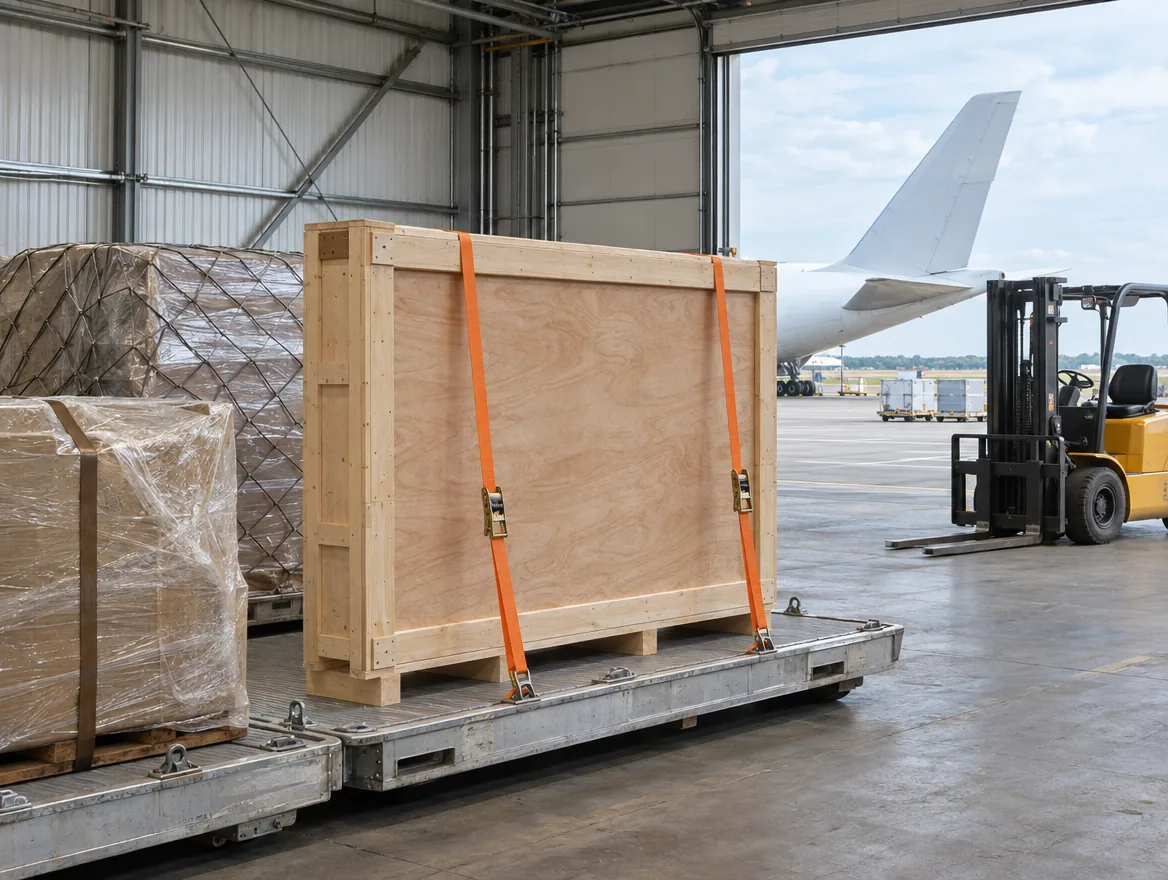
How art shipping works, end to end, and where we ship.
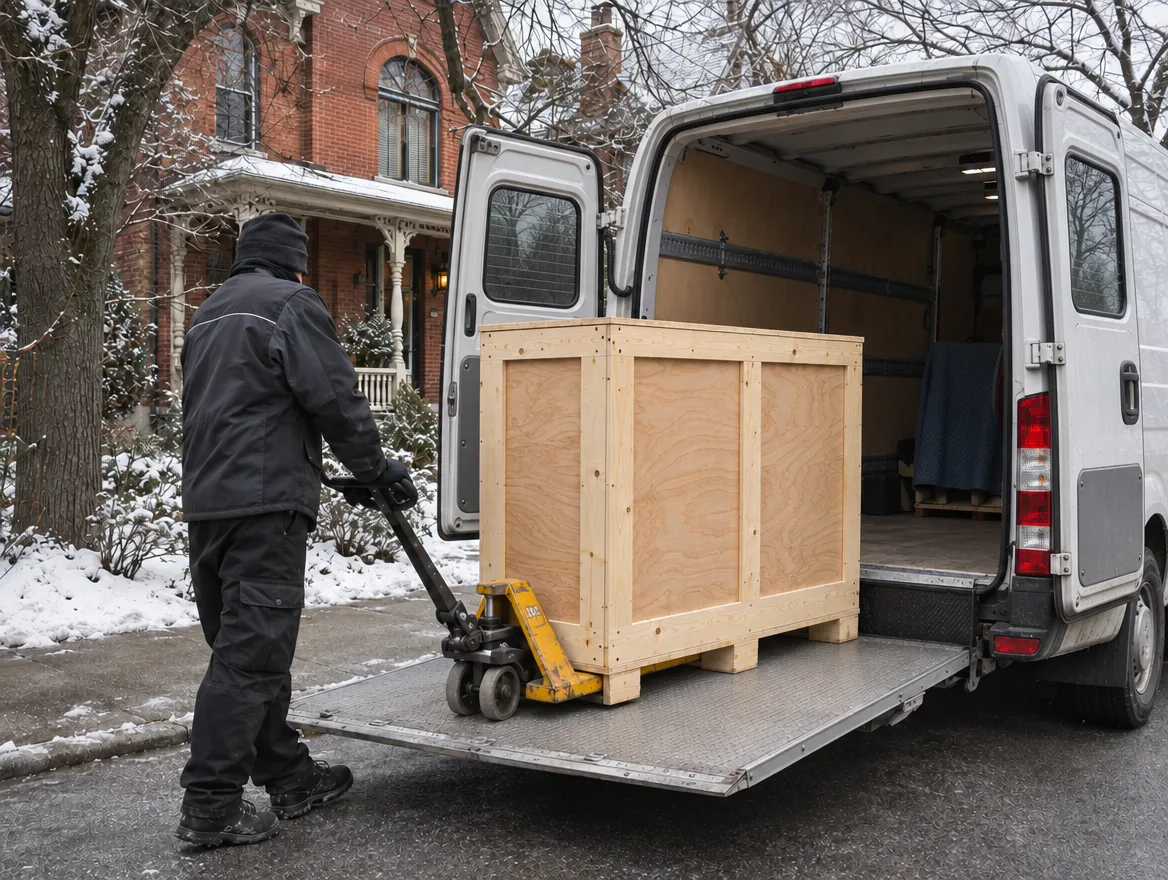
Art, antiques and furniture, crated in London for anywhere in Canada.
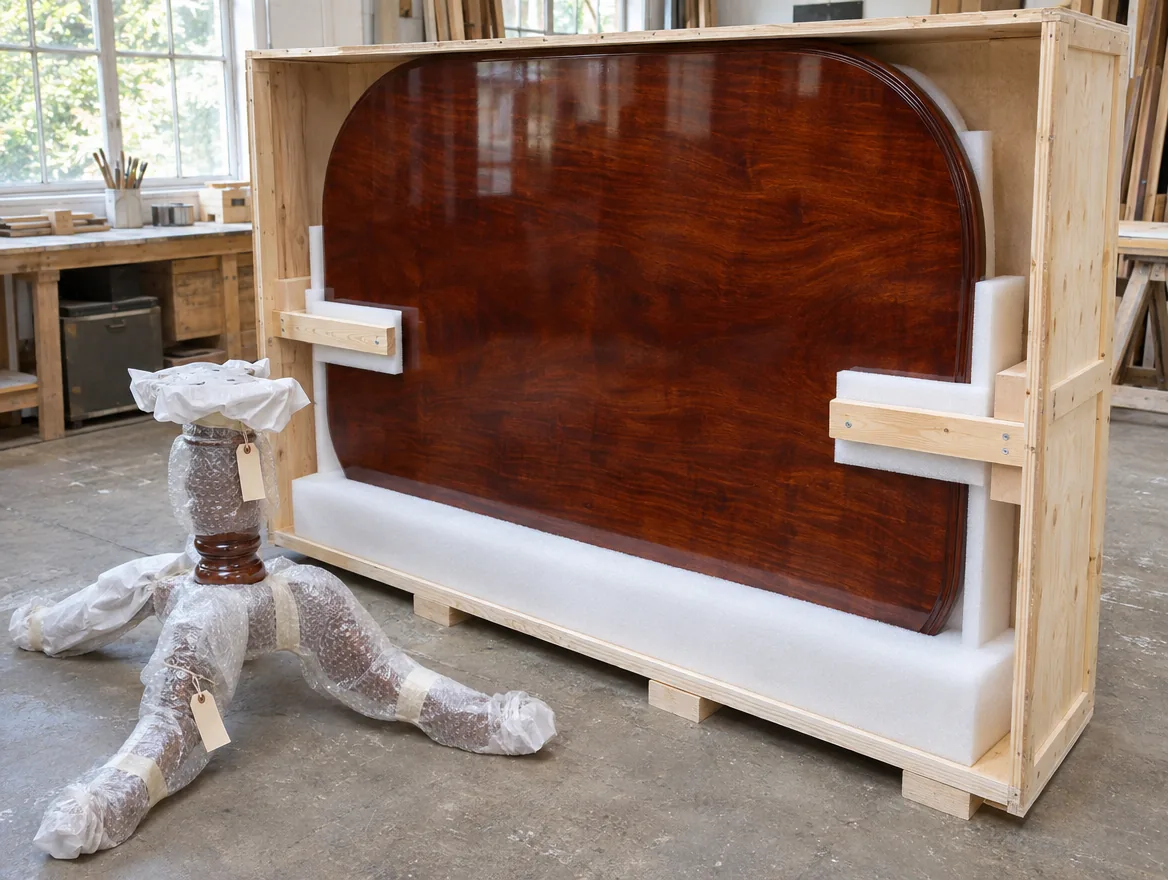
Antique and modern furniture, crated in London for the Atlantic.

Clear cover for every export.
Swipe for more →
Tell us what needs to travel.
Every quote is bespoke, based on the piece itself. Send us the details and we'll come back to you.