

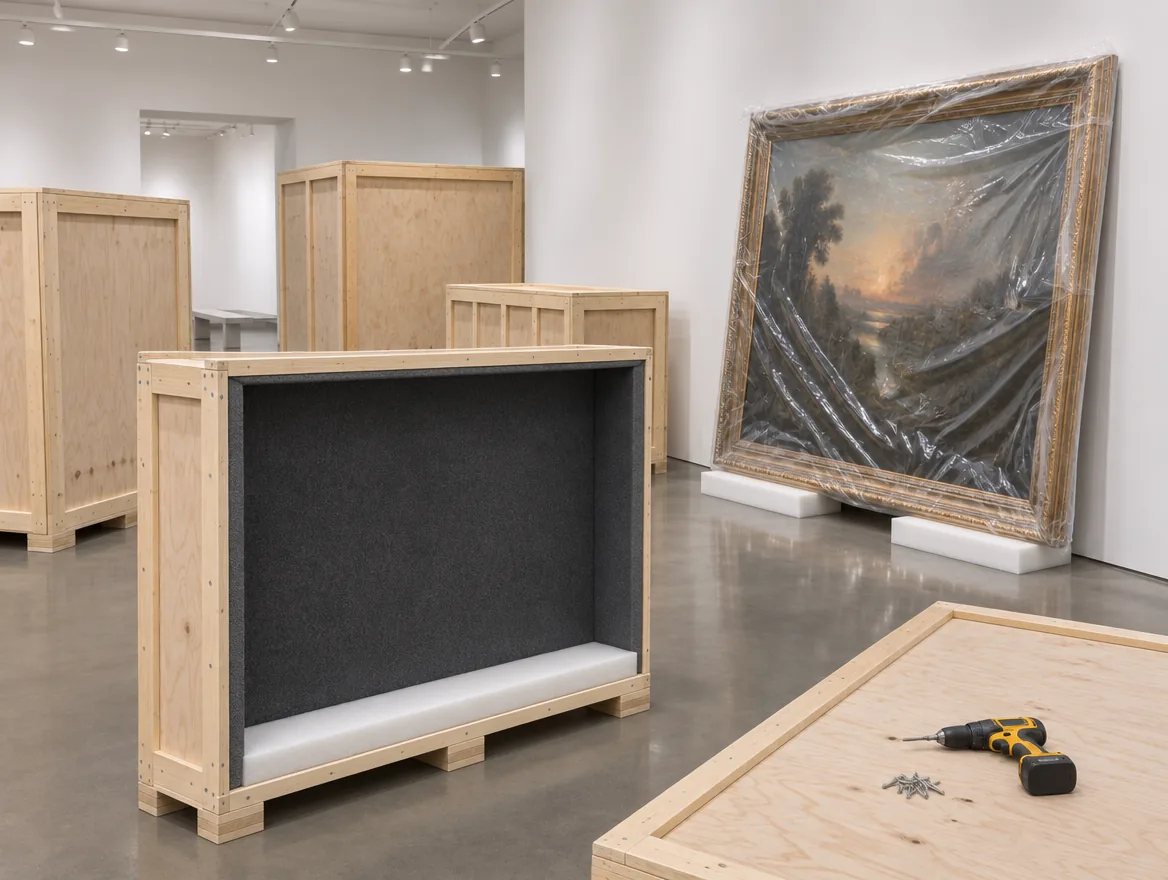
Exhibition crating for galleries and art fairs
Exhibition crating is crating built for a round trip. The crate goes out to the fair or the show, is opened by someone else, stored empty for a week, then packed again and sent home. We build crates for galleries and art fairs that survive all of that: reusable, clearly labelled and easy to open and close.
- Built for
- The trip there and back
- Lids
- Screwed, to open and close again
- Crates
- Single, rack and heavy duty
- Hours
- 9am to 4pm, 7 days a week
What is exhibition crating?
Exhibition crating means crates designed to travel out, be unpacked, wait empty and travel back, often more than once. A crate for a one-way sale only has to arrive. A crate for a fair or a loan has to do the journey twice and still fit the work when it is packed again by different hands.
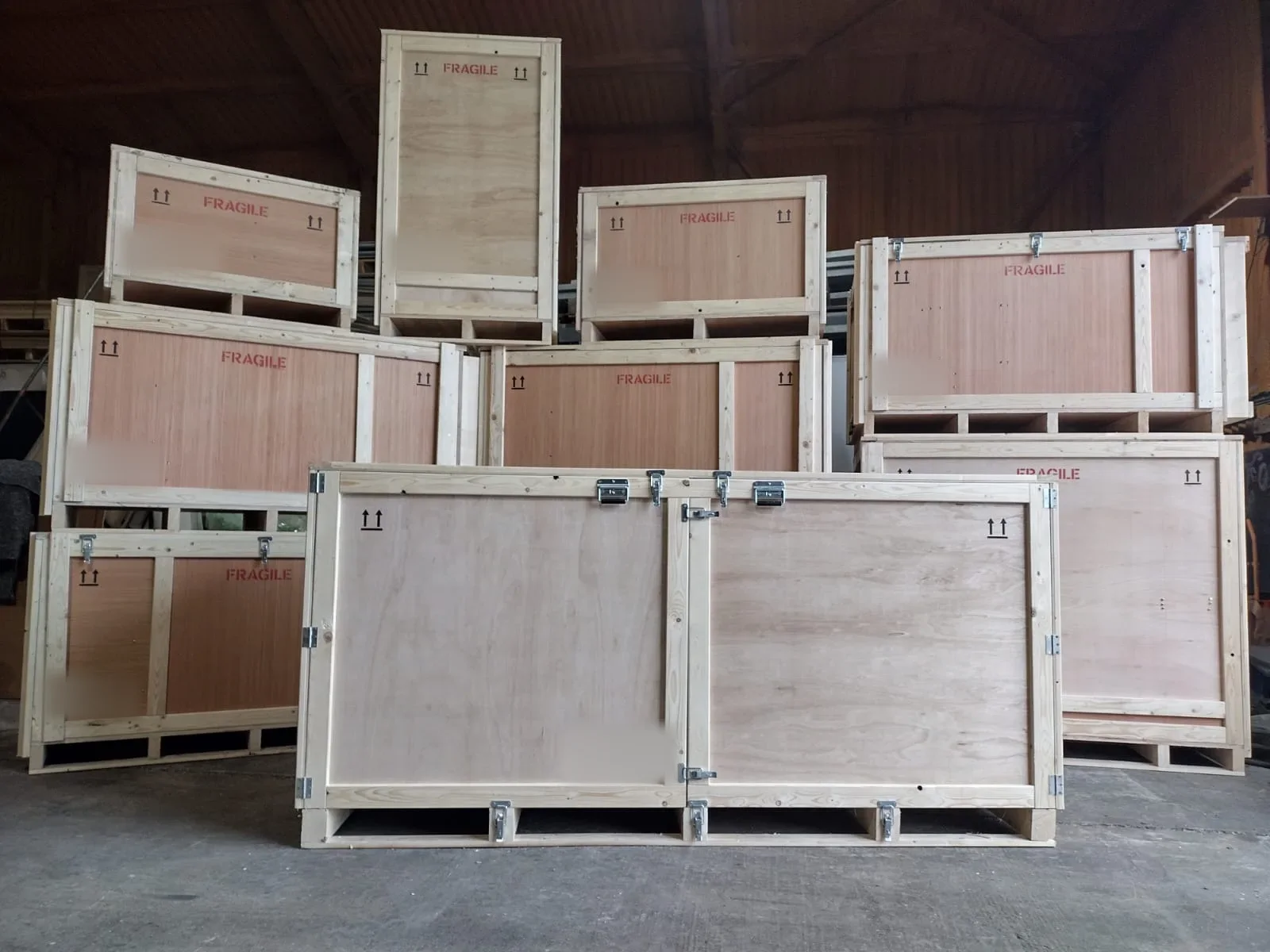
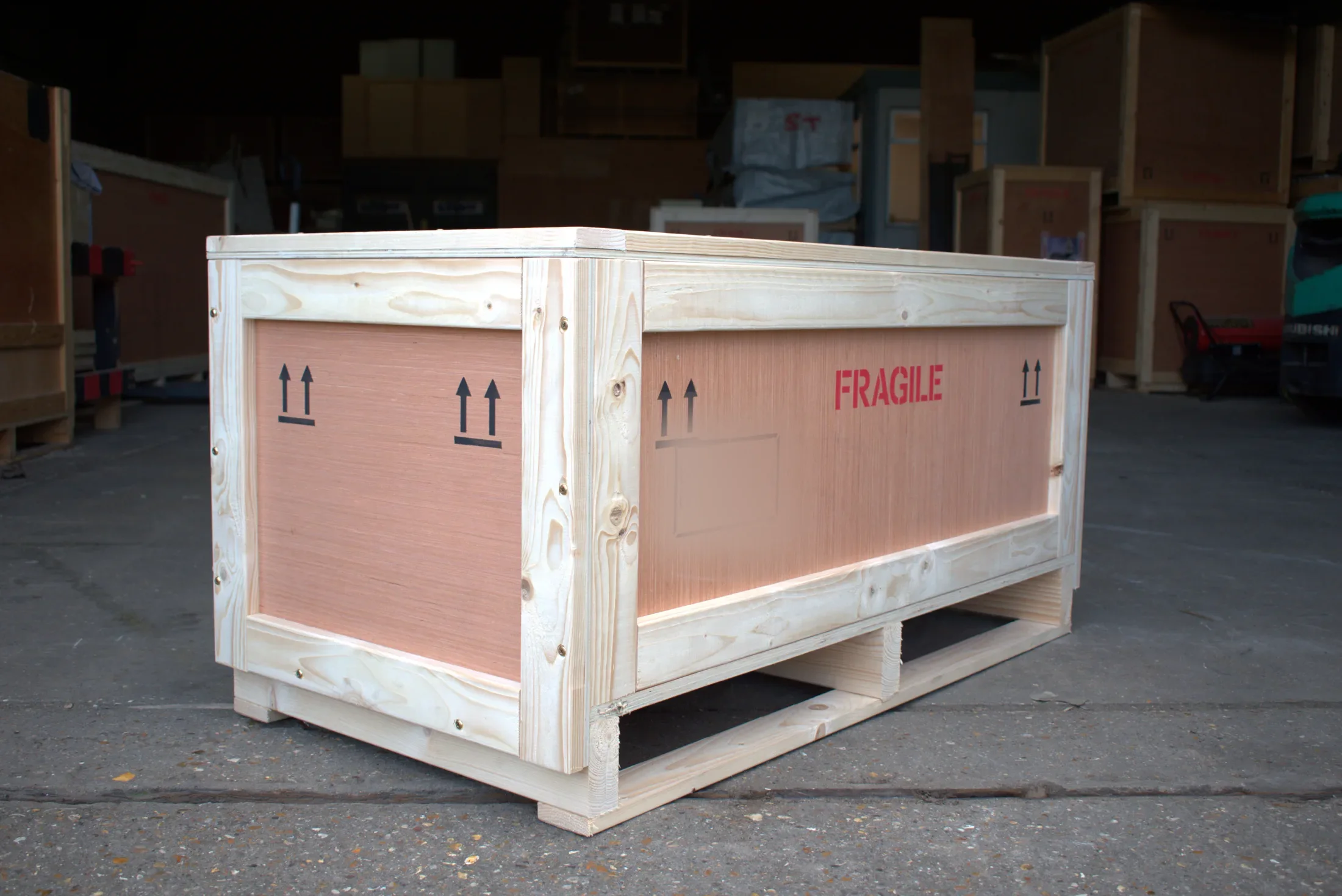
A strong frame, screwed lids and linings that keep their shape trip after trip.
Screws, latches or hinged doors, so nobody needs a crowbar.
Which way up, which side opens, and what is inside.
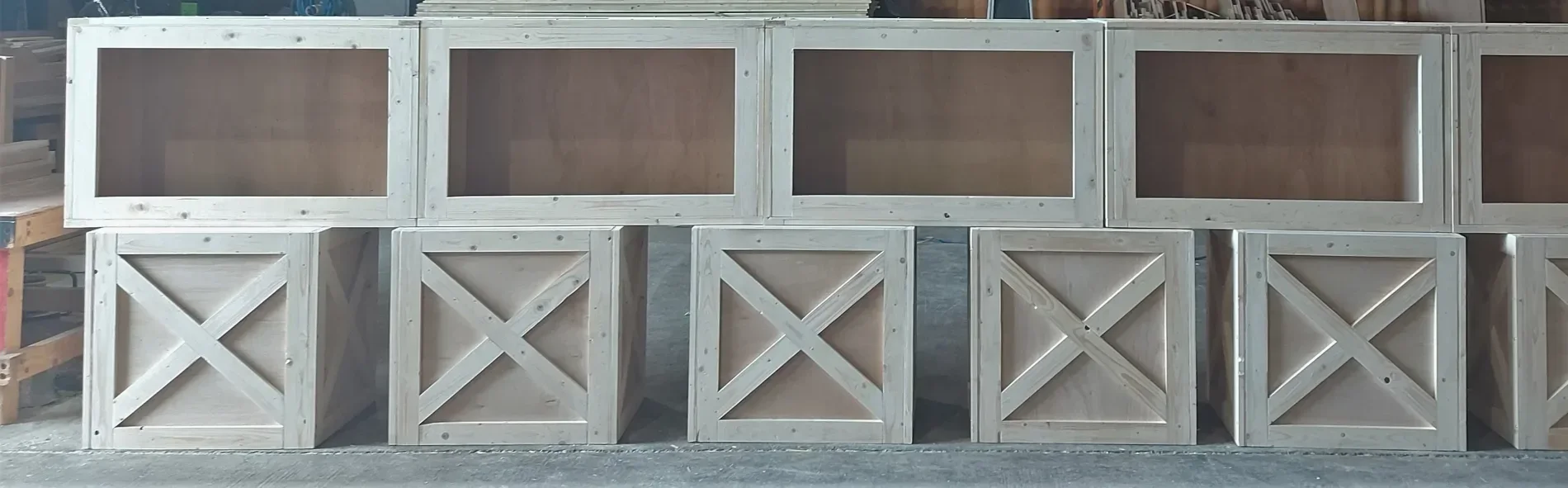
Square, stackable crates that wait empty without falling apart.
Crates built to be reused and to come back
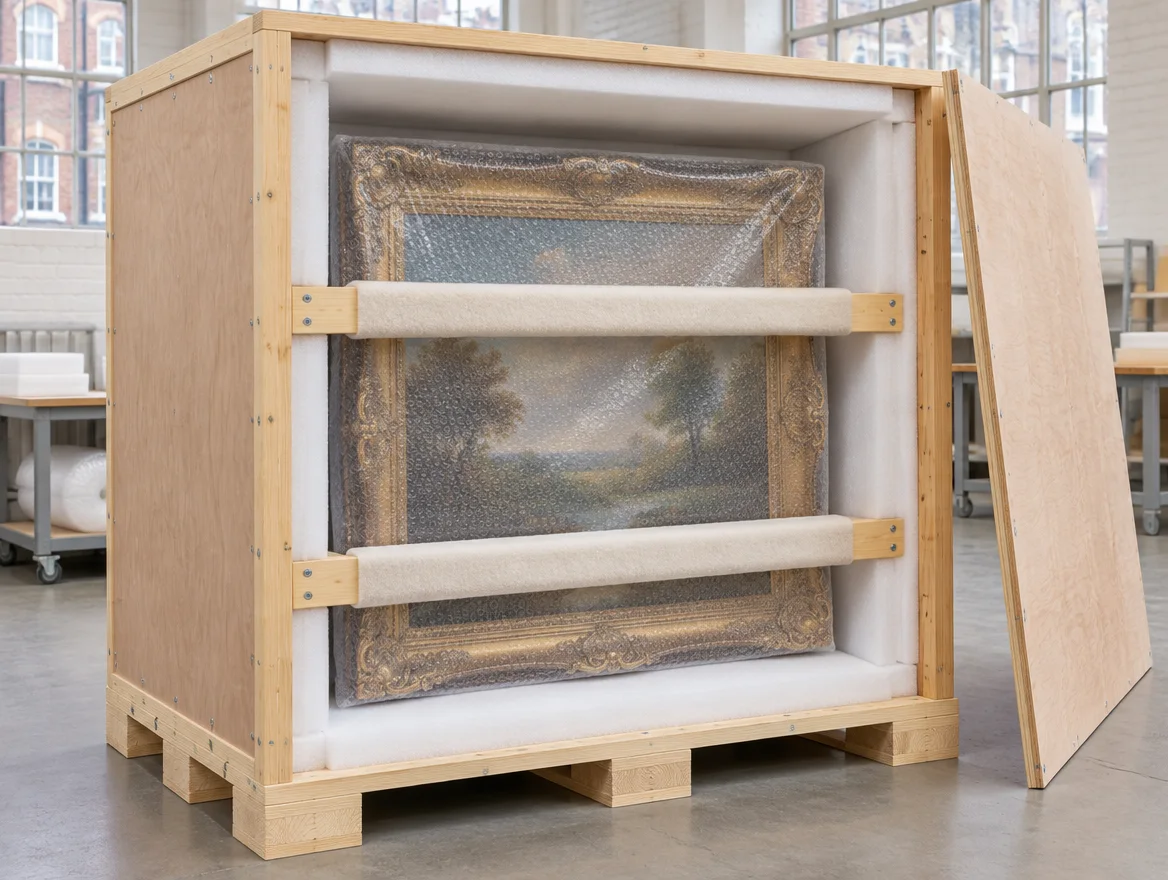
A crate that is going to come back is built a little differently. The lid is screwed down, not nailed, so it can come off and go back on without splitting the timber. Crates that are opened often get hinged doors, latches and bolt locks, which we fit by hand in-house. Inside, foam blocks and padded battens are fixed in place, so they don't fall out when the crate is opened and get lost on the stand.
The lining matters too. White high density foam keeps its shape after many trips, which is why we use it for heavier works and for the blocks that hold sculpture. Charcoal HLB22 soft foam suits fragile surfaces and gilded frames. See what our crates are made of.
If the crates are going abroad, the solid timber usually has to meet ISPM 15. Once wood is treated and marked, the treatment doesn't wear off, so a well-kept crate can be used again. Any repair with new timber needs treated timber too.
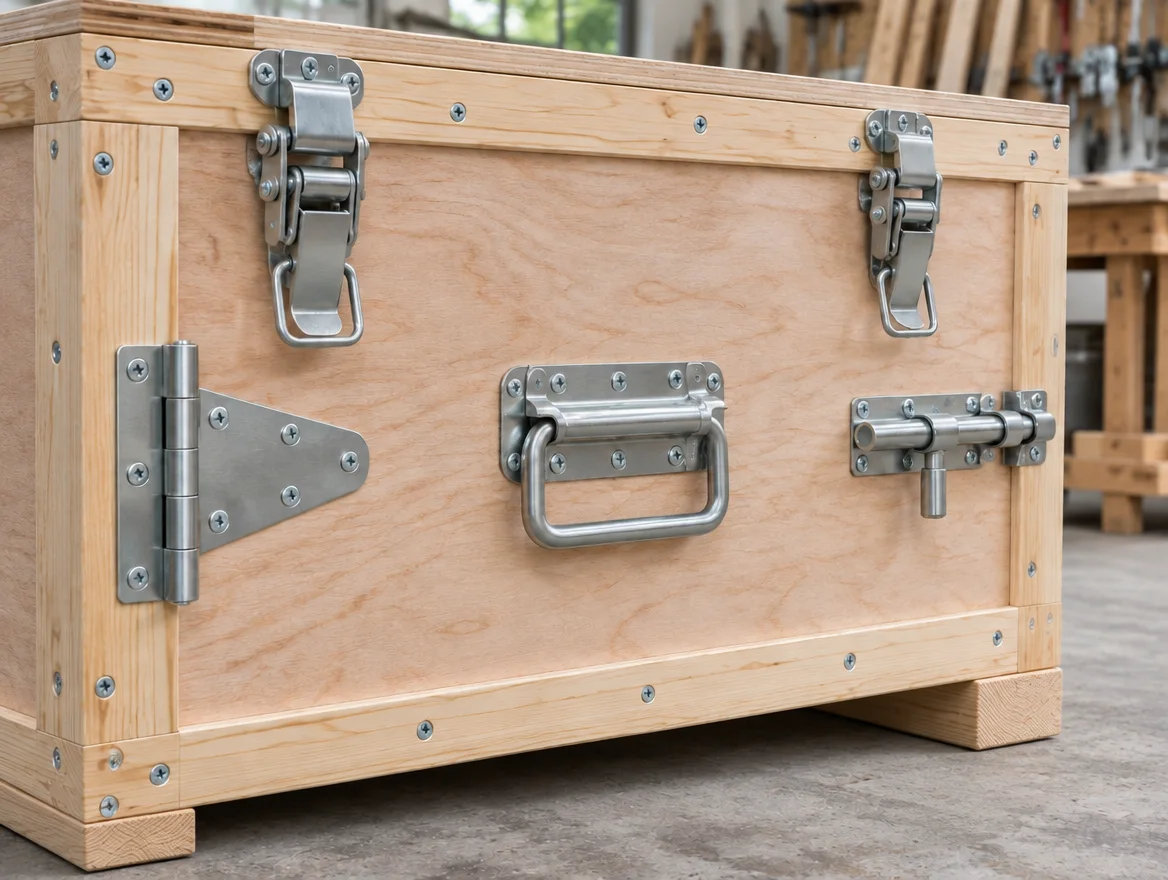
Crates opened and closed by different people
Your crate may be packed by us, opened by a fair's art handlers, closed again by your own team and opened at the gallery by someone else. Each of them needs to know how it works without asking. We build crates so the obvious way to open them is the right way.
Then let the crate settle to the room before you open it, ideally overnight, so the work isn't exposed to a sudden change in temperature and humidity.
- 01Mark the opening side
The lid or door that opens is marked, so nobody unscrews the wrong panel.
- 02Keep it upright
This way up arrows on every side. Paintings usually travel standing on their bottom edge.
- 03Note the packing order
If several works or supports go in, note the order they come out, so they go back the same way.
- 04Keep the parts together
Screws, battens and loose foam go back in the crate, not in a box on the stand.
Labelling and packing lists
When a gallery sends ten crates to a fair, the labels do half the work. A good label lets a handler find the right crate in a full store without opening anything.
- A crate number that matches your packing list
- Your inventory number or the work's title, if you are happy for it to show
- Outside size and weight, so handlers know what lifting it needs
- Fragile and This way up, on every crate
- The gallery's name and a contact number for the event
- A packing list in a sleeve on the crate, with a copy emailed ahead
Tell us how you number your works and ask us to mark the crates to match. For security you may prefer the outside to show a crate number only, not the artist or title.
Send us a photo and the measurements.
We’ll recommend the crate, the lining and the supports, and come back with a bespoke quote.
Art fair shipping: working back from move-in
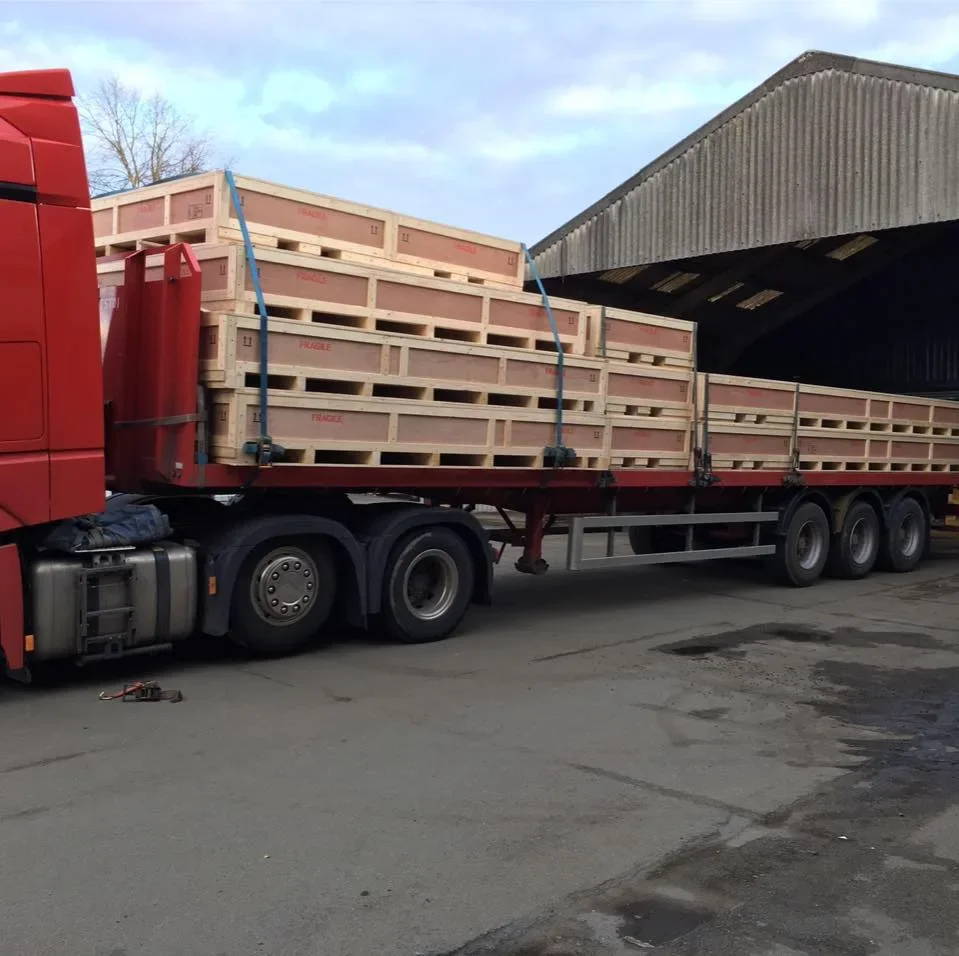
Art fair shipping runs on the fair's timetable, not yours. Fairs give each exhibitor a move-in slot, and deliveries are often booked to a time window through the fair's appointed logistics team. Everything has to be crated, labelled and at the collection point before that slot.
Fairs abroad add customs. Goods sent out for a fair and brought back can sometimes travel under temporary export arrangements, such as an ATA Carnet, but works intended for sale are generally not covered by a carnet. Your shipper or a customs agent sets this up. We don't handle customs paperwork.
We don't promise build times on the website. Tell us your move-in date and we'll say honestly whether we can meet it.
| Stage | What happens | What to plan |
|---|---|---|
| Weeks before | Works chosen, crates designed and built | Tell us your move-in date when you first ask for a quote. |
| Move-in | Crates delivered to the stand and opened | Your team or the fair's handlers unpack and hang. |
| During the fair | Empty crates usually leave the stand for storage | Check the exhibitor manual for empty-crate rules. |
| Breakdown | Empty crates brought back; unsold works packed | Sold works may go straight to buyers, so plan their crates too. |
| After | Crates come home, empty or full | Store them dry, ready for the next show. |
Storing empty crates between shows
An empty crate is still valuable. A crate that has been rained on, stood on or stored on its side may not protect the work on the way home. Keep empty crates dry and off the floor, store them the right way up with their lids on, and keep each crate's screws and battens inside it.
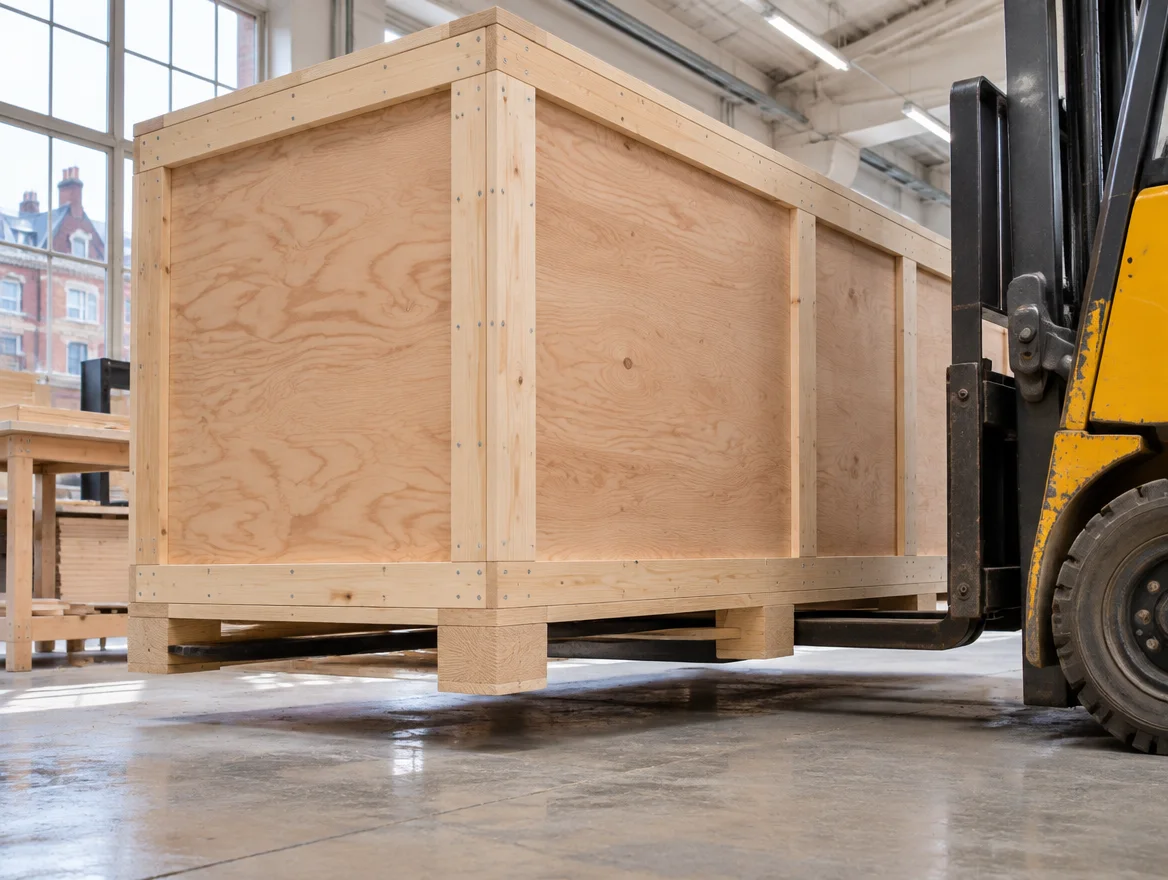
Crates sit on skids, so they can be lifted from below and stacked with care. If you don't have room to keep them between shows, ask us what we can suggest.
Works on loan
A loan from a collector, an artist's estate or another gallery usually comes with conditions. Lenders often specify how the work must be packed, whether a courier must travel with it, and what the condition report must show at each end. Send us the lender's packing requirements with your request and we'll quote to them.
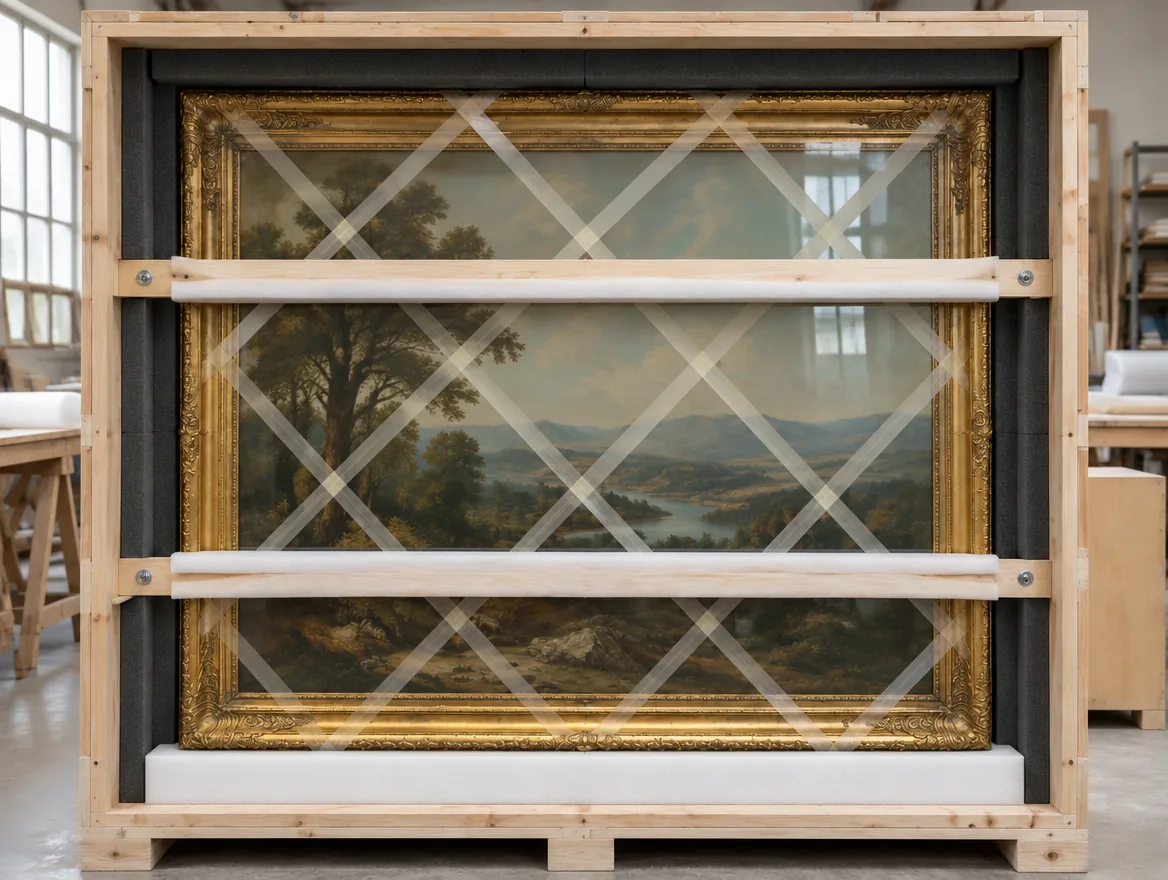
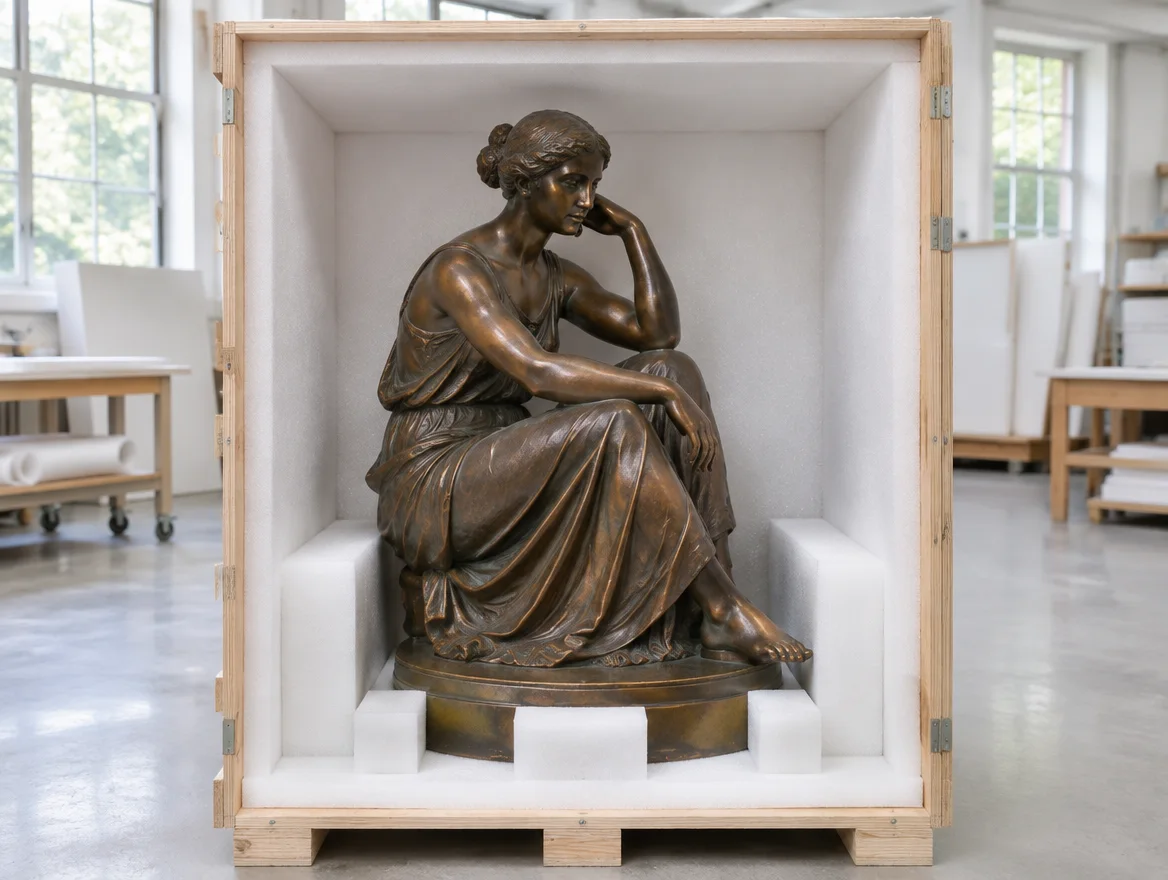
Glazed works get taped glass and padded battens on the frame, never on the glass. Sculpture is held by high density foam blocks, not battens. Every work travels the same way it is going to come back.
Condition reports at each end
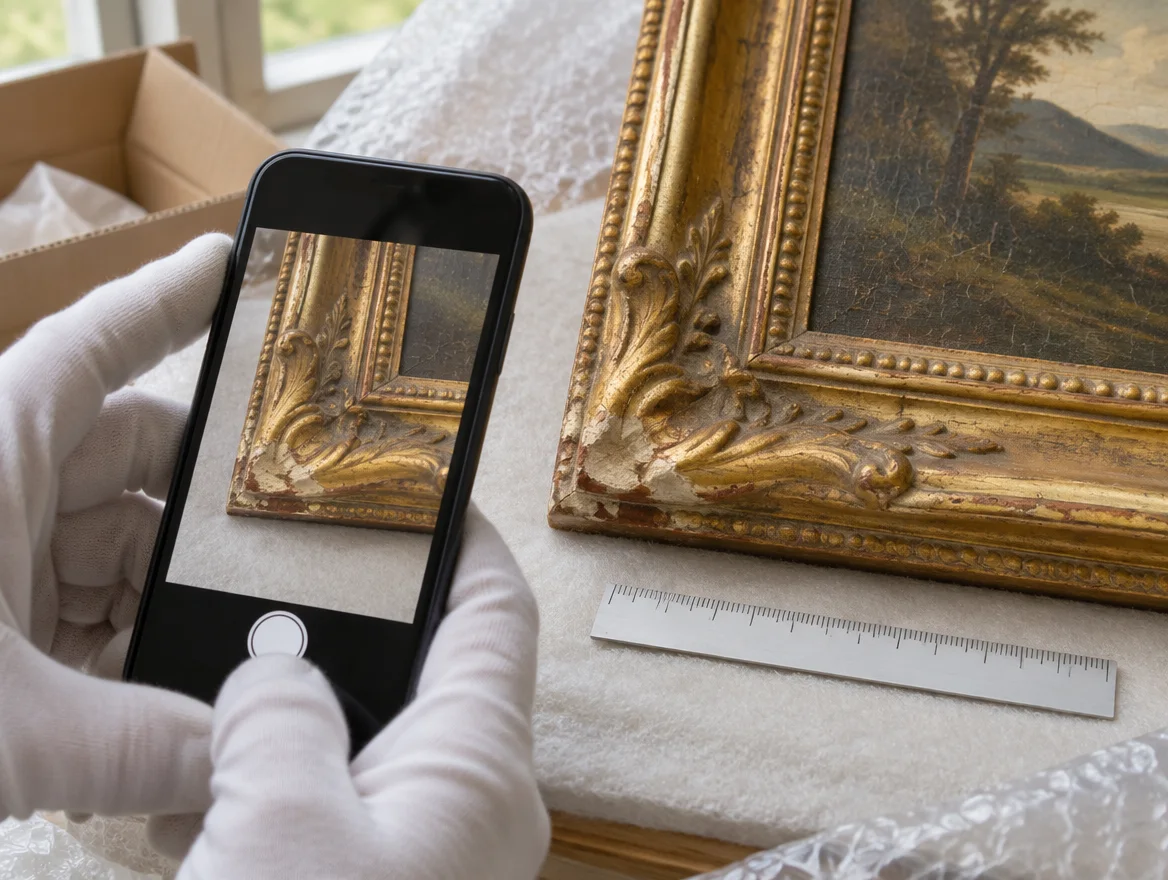
A condition report records the state of a work, with notes and photographs, at a point in time. For exhibitions and loans there is usually one before the work leaves, one when it arrives, and the same again for the return. They are normally written by the gallery's registrar, the lender or a conservator.
Good packing is what lets the reports match. Take your photos in good light, include the corners, the back and the frame, and keep them with the packing list. If anything changes in transit, the reports show where.
Two ways we can work with your gallery
We can collect the works and crate them at our warehouse, from the gallery, the artist's studio or a collector's home; your fair shipper then collects the finished crates from us. Or we can build crates to your measurements and deliver them empty, so your own handlers pack them. If you choose measurements, give us the size of the work with its frame, at its widest, deepest and tallest points. We confirm the measurements with you before we build. We can also arrange the onward shipping.
Gallery shipping is often a run of single sales between fairs, too: one painting to a collector in New York, a sculpture to a buyer in Paris. Each gets a crate built around it, and we can collect, crate and arrange the shipping, or hand it to your shipper. See shipping art to the USA.
Planning a fair or a show? Request a quote with the works, sizes and your move-in date. See also fine art crating.
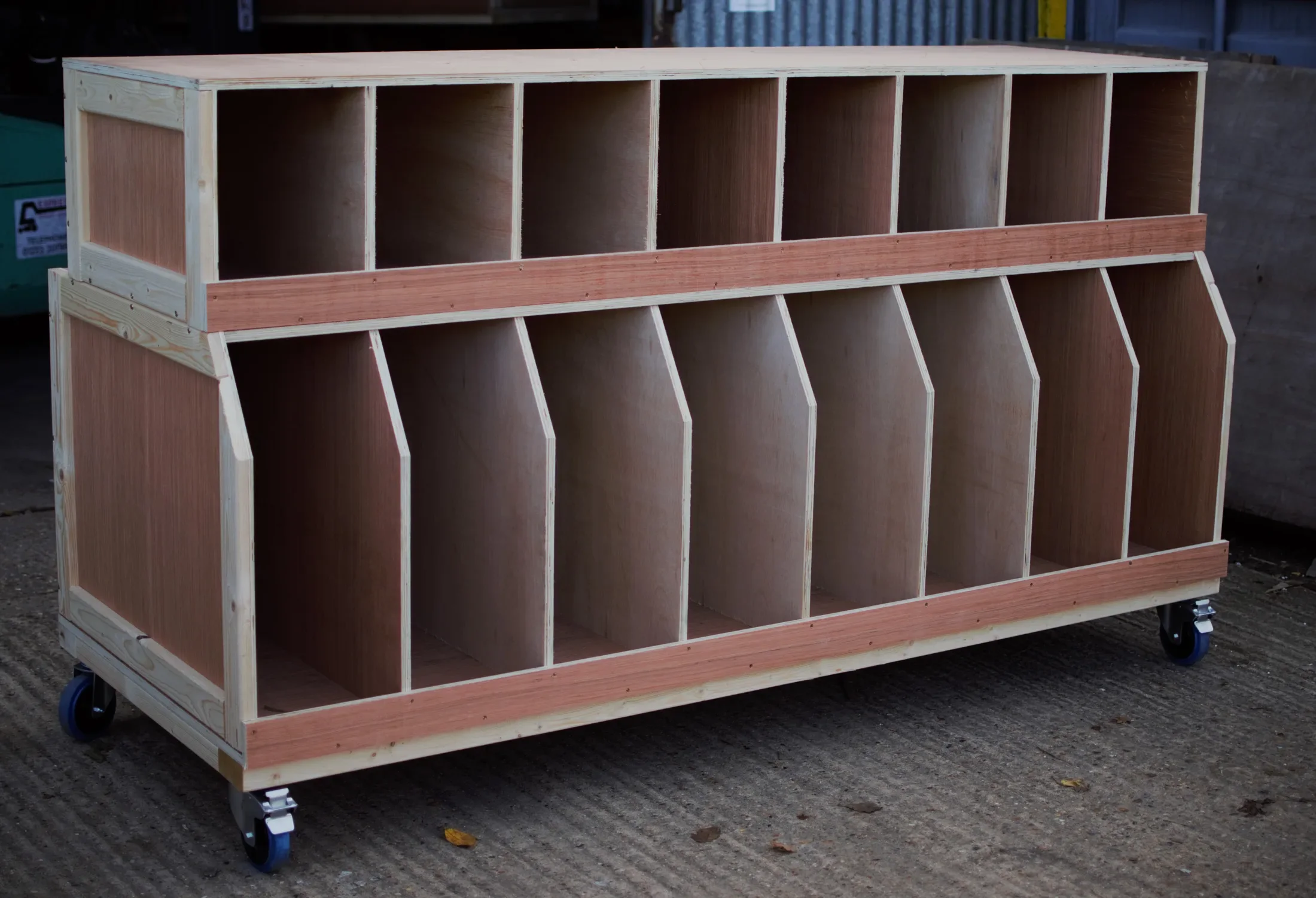
A rack crate with a slot for each, so they travel together without touching.
A single crate, the work standing on its bottom edge. See paintings.
High density foam blocks in a heavy duty crate. See sculpture.
Common questions
Can one crate go to a fair and come back again? +
Yes, if it is built for it. We screw the lids rather than nail them, fix the supports in place and use linings that keep their shape, so the crate can be opened and packed again.
Can our own art handlers pack the crates you build? +
Yes. We can build crates to your measurements and deliver them empty, ready for your team to pack. The fit depends on the measurements you give us, so measure each work with its frame.
Do you build crates for several paintings at once? +
Yes. A rack crate has a slot for each framed work, so several pictures travel together without touching. It suits galleries sending a hang to a fair.
Do you work at weekends? +
We work 9am to 4pm, 7 days a week. Tell us your fair's move-in and breakdown dates and we'll say what we can do.
What happens to sold works after the fair? +
They often go straight to the buyer, so they may need their own crate rather than the one they came in. Tell us what you expect to sell and we'll plan for it.
Do crates going to a fair abroad need ISPM 15? +
Usually, yes. Solid wood packaging crossing a border normally has to be heat treated and marked. Plywood is usually exempt. Our crates are heat treated and carry our own registered ISPM 15 stamp. See our ISPM 15 guide.
Do you handle the customs paperwork? +
No. Export declarations, licences and import entries are arranged by you, your shipper or a customs agent. We make sure the crate is ready for the journey, clearly marked and easy to open and close again if customs want to look inside.
How much will it cost? +
Every quote is bespoke, based on the piece itself: its size, weight, how fragile it is, where it is going and how quickly. Send us the details and we'll price your job, never from a standard rate card.
Related
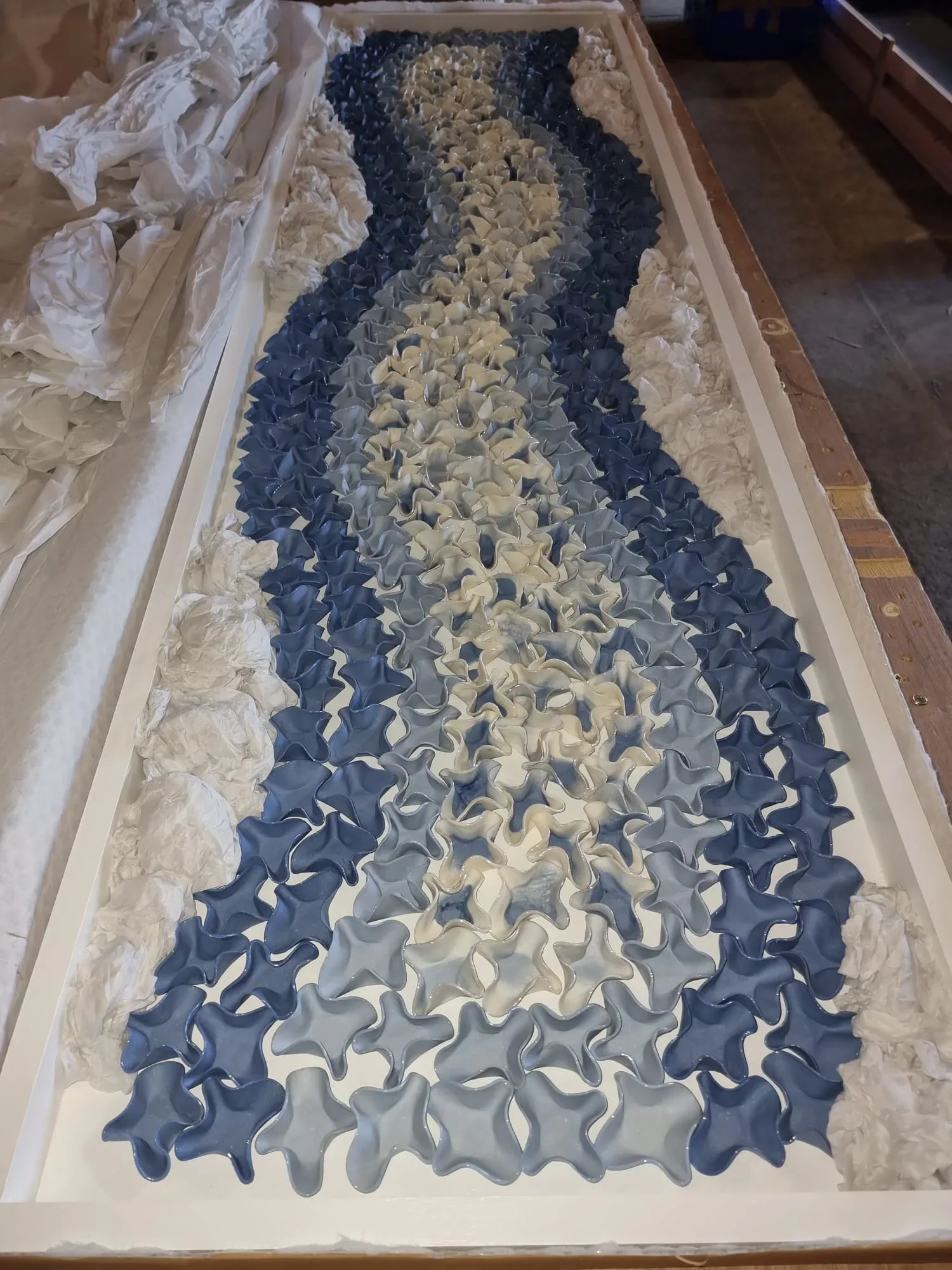
Wrapped by hand, crated to measure.
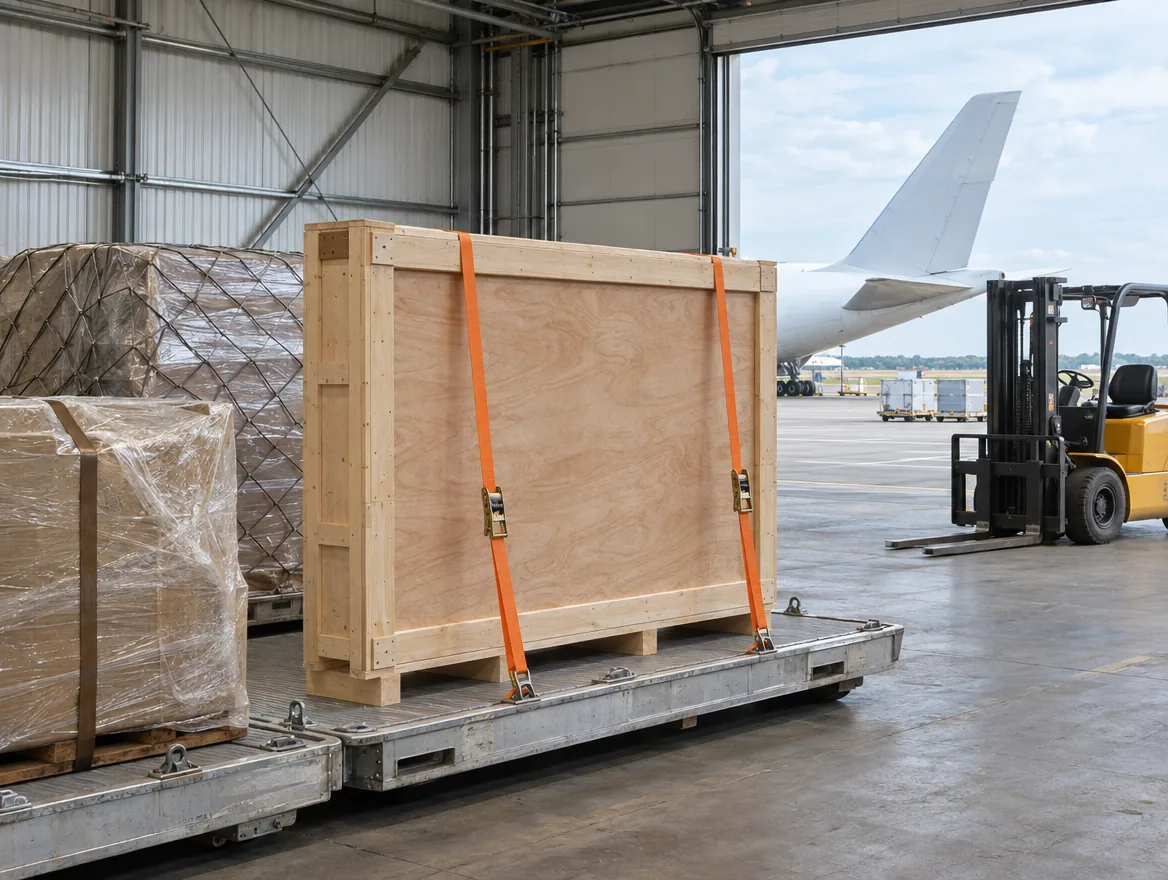
How art shipping works, end to end, and where we ship.
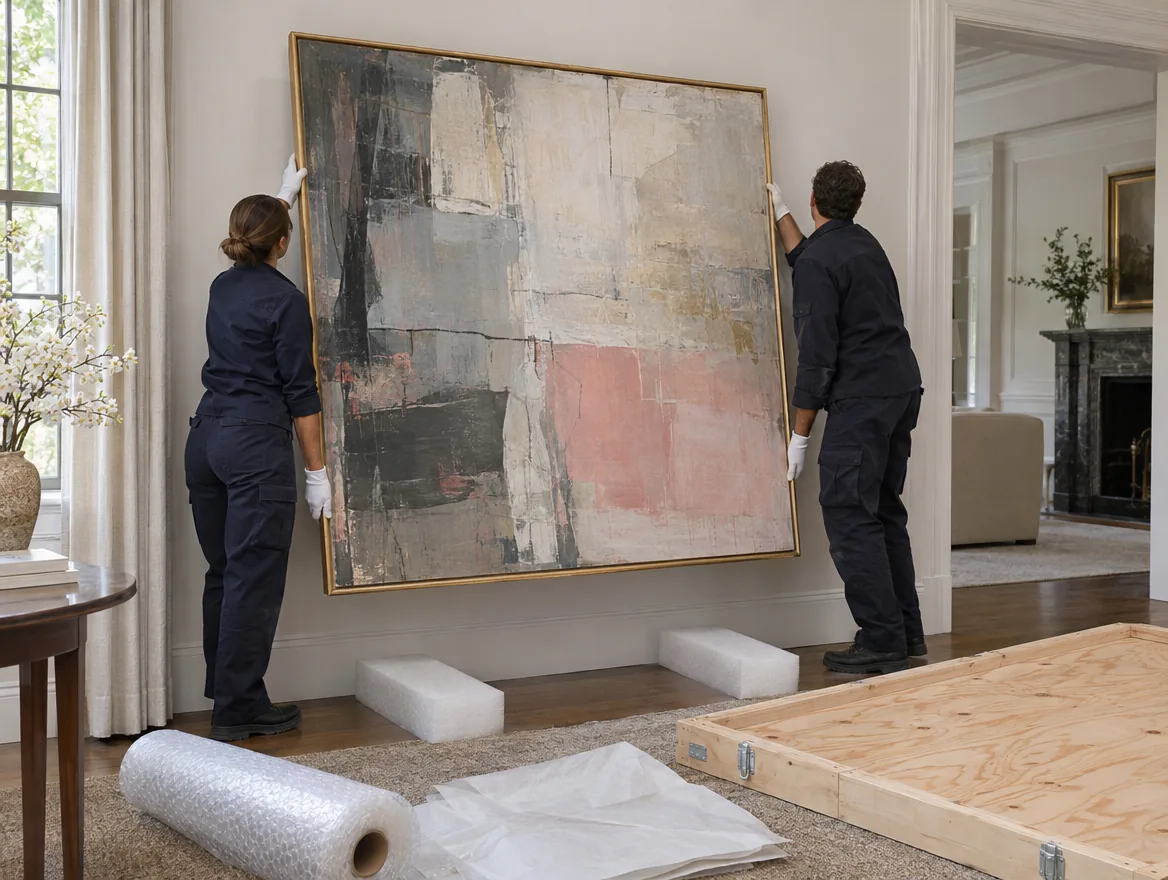
Works moved, wrapped, lifted and crated by careful hands.
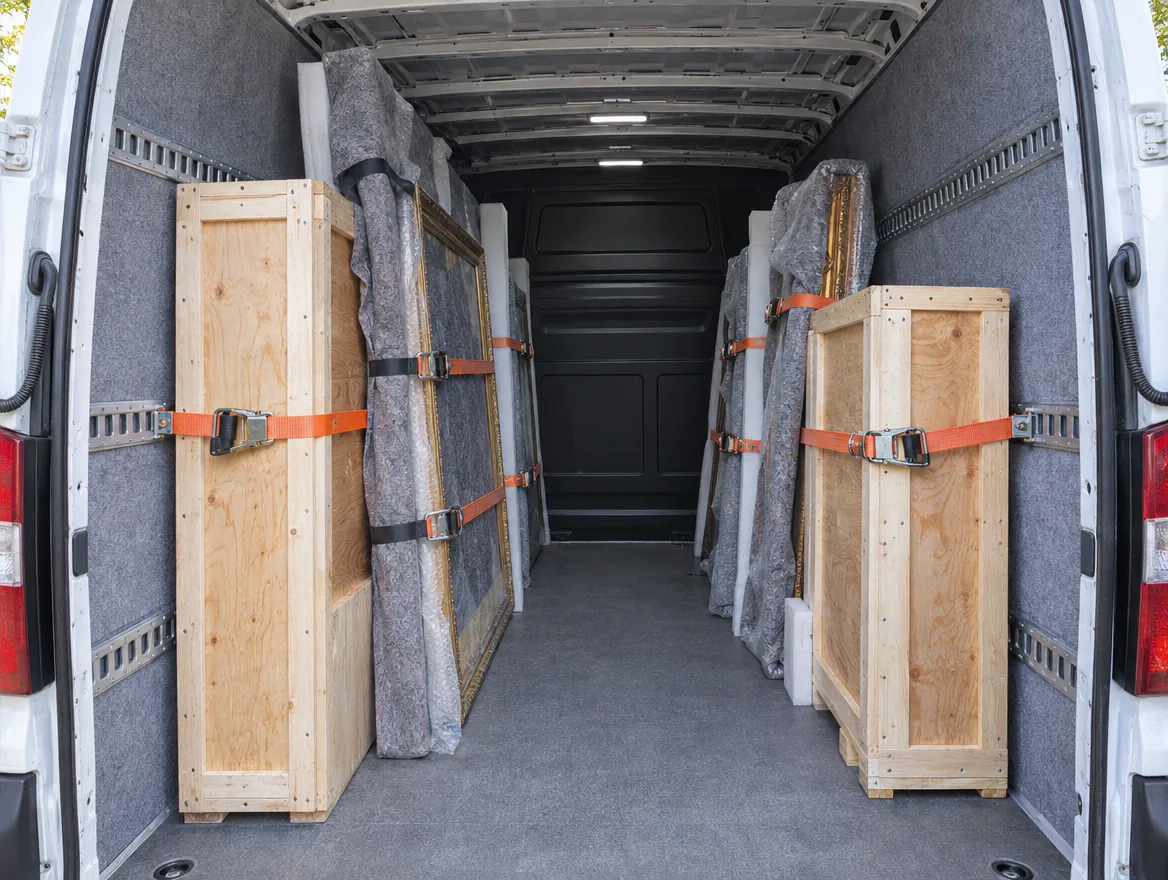
Collected by hand, carried upright, placed in the room.
Swipe for more →
Tell us what needs to travel.
Every quote is bespoke, based on the piece itself. Send us the details and we'll come back to you.