

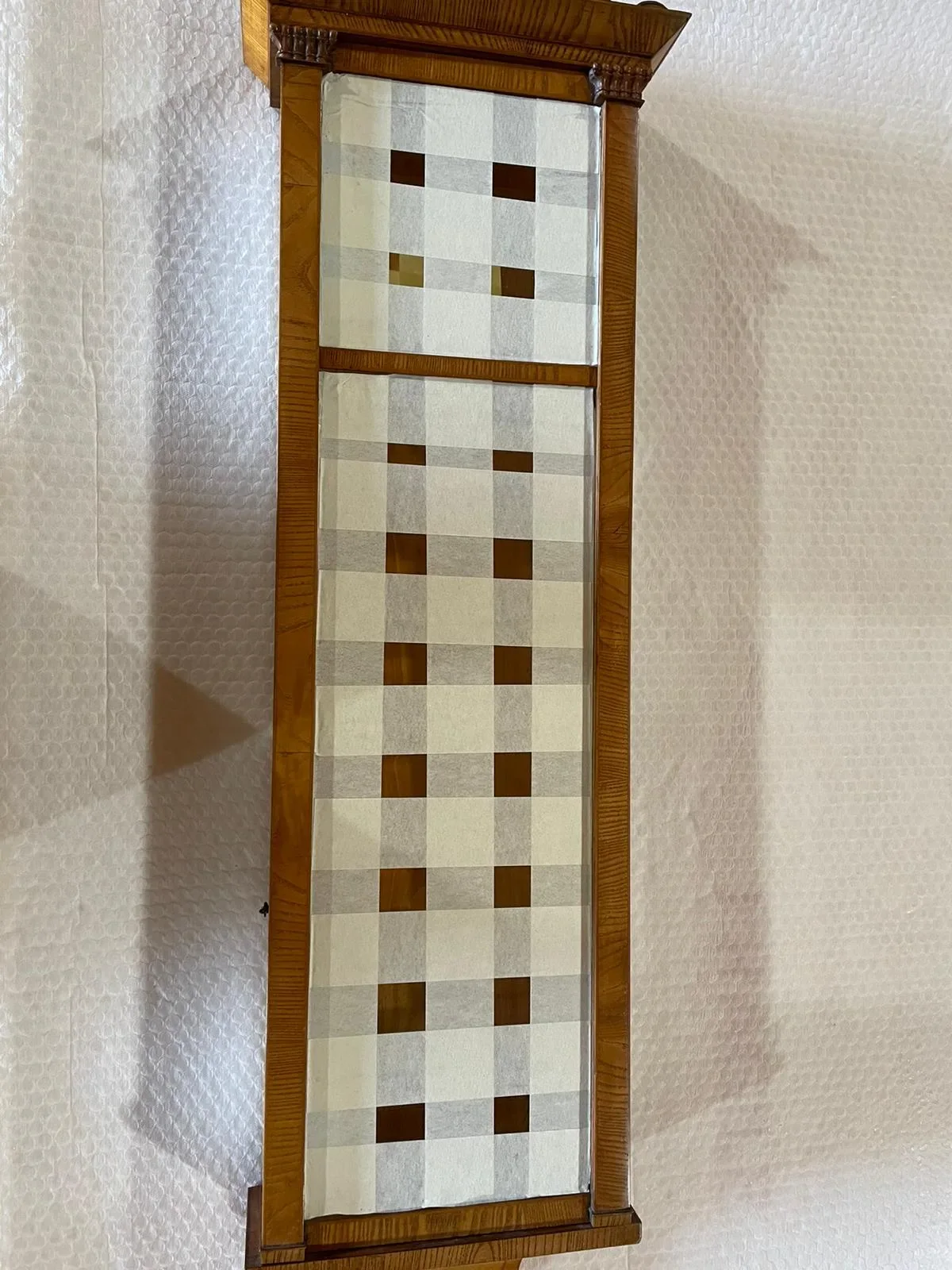
Shipping a large mirror or glass, safely
Mirrors and glass are the pieces people worry about most. We tape the glass, protect the frame, rest the weight on a firm high density foam cradle along the whole bottom edge and build a crate that holds it upright and still.
How we crate an antique mirror
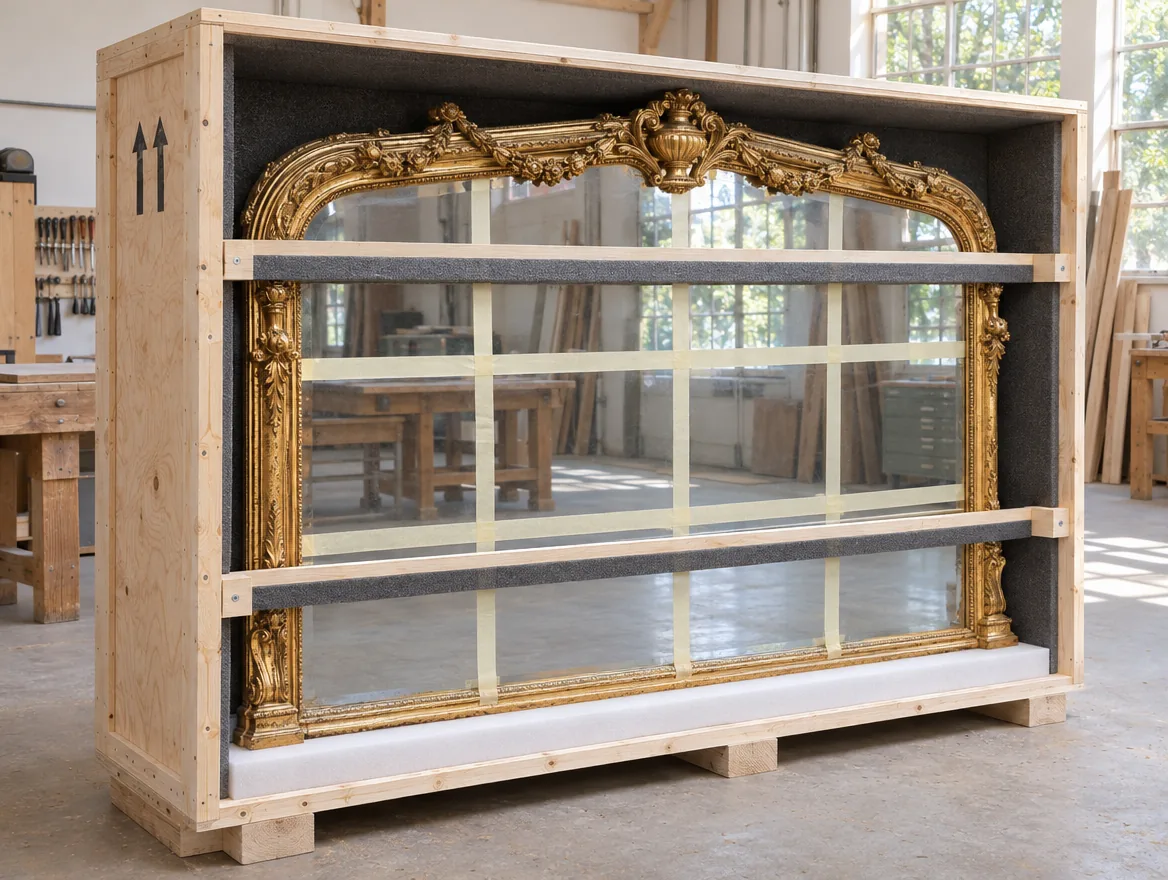
A mirror’s weight should never rest on its corners. It sits on a padded cradle along the whole bottom edge, inside thick foam, with the glass taped and padded battens holding it still.

How do you pack a large mirror for shipping?
The short answer: tape the glass, protect the frame, carry the weight along the bottom edge and stop it moving. Step by step:
- 01Check the back first
Old mirrors often have loose backboards, dried-out wedges or a glass plate that moves in the frame. We look before we lift, and note anything loose.
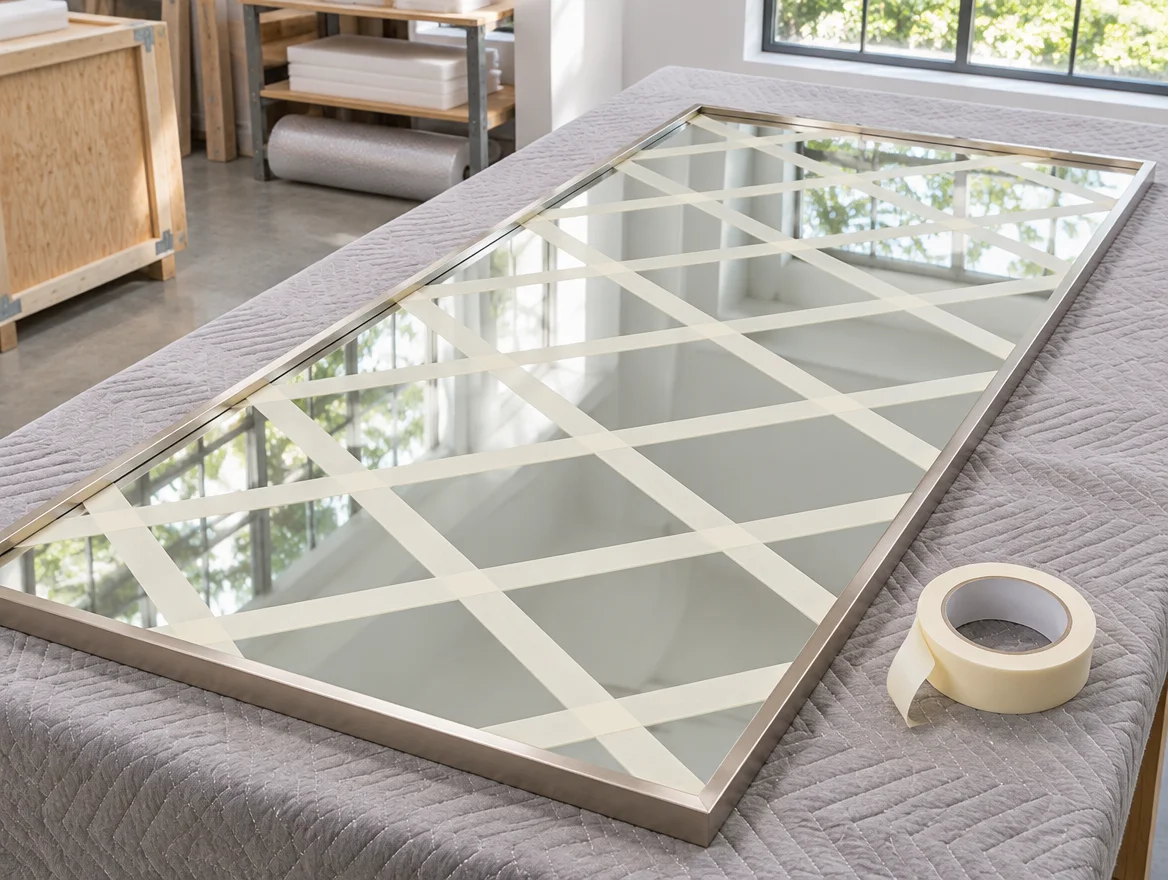
- 02Tape the glass in a lattice
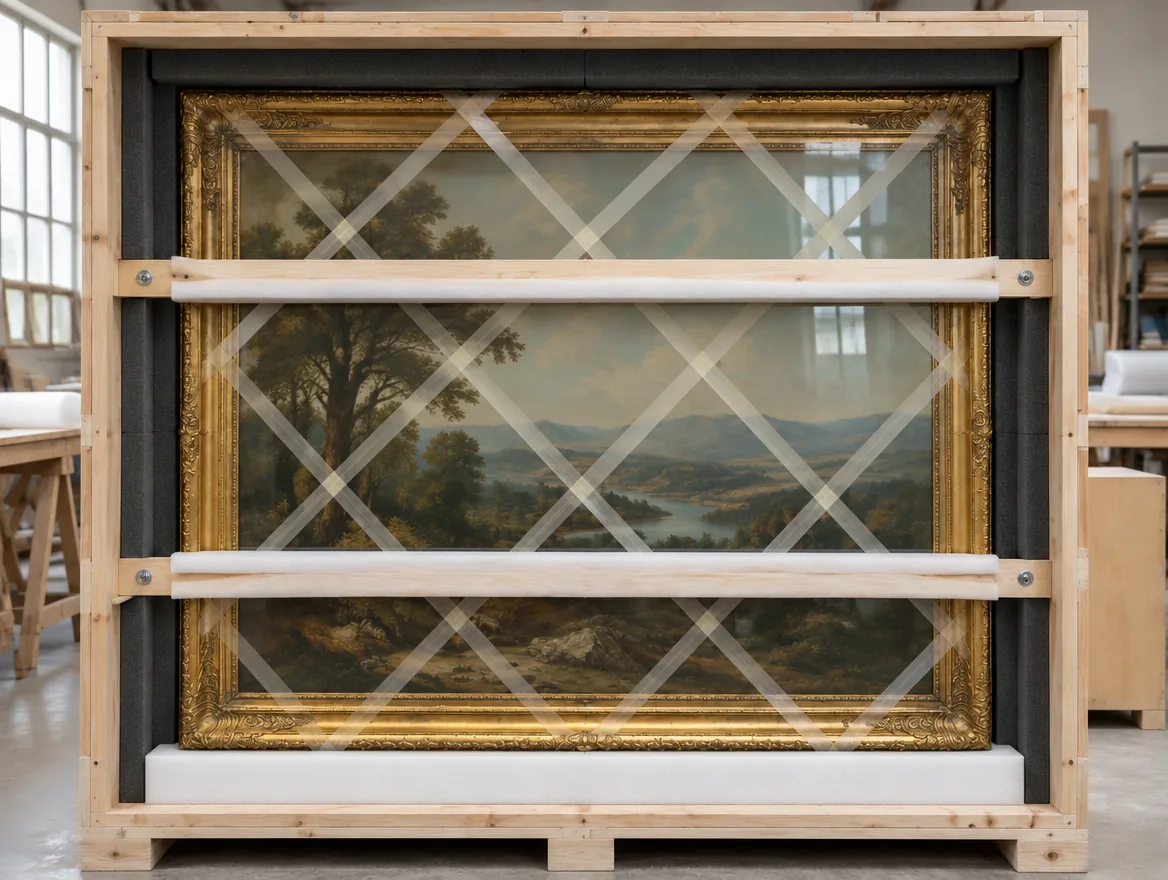
Masking tape across the glass in a criss-cross pattern. If the glass cracks, the pieces stay in place instead of falling into the frame or cutting through the wrap.
- 03Protect the frame
Foam on carved and gilded edges and on the corners, which take the first knock. No tape on gilding or paint.
- 04Build a firm cradle
A cradle of white high density foam along the whole bottom edge of the mirror, level and with no gaps, so the weight is spread along its full length and the edge can't sink.
- 05Hold it with padded battens
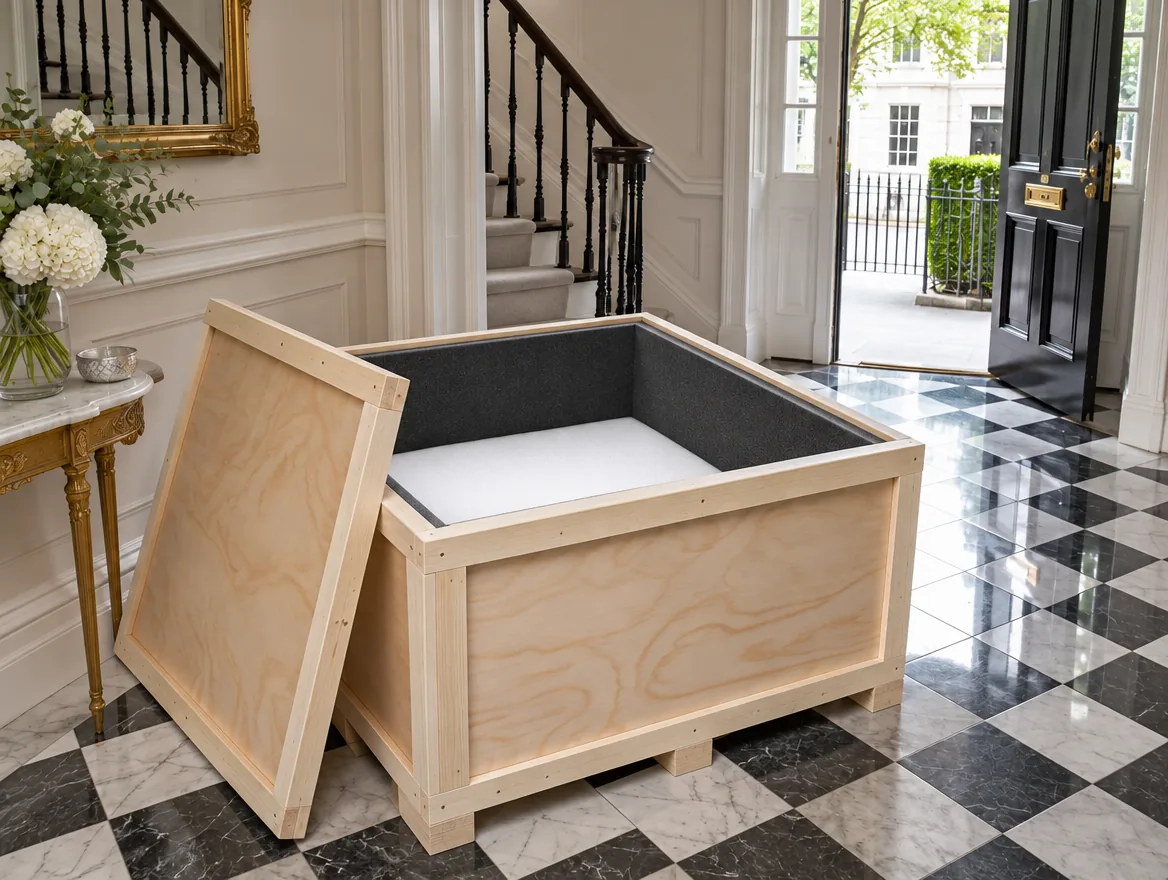
Foam-faced battens across the frame, front and back, inside a lined crate built to measure. The mirror stands upright and can't move.
- 06Close and mark
Screwed shut, marked Fragile, This way up and with the glass side shown, ready to ship.
Weight on the whole bottom edge, never the corners
A mirror's weight should rest on a firm high density foam cradle along its whole bottom edge, never on its corners.
Mirror glass is heavy, and old frames are often held together by glue and a few nails. If a mirror stands on its corners, all that weight goes through two small points. On the road, every bump is multiplied. Joints open, gesso cracks off gilded corners, and the glass can be pushed out of square and crack.
A firm cradle along the full length spreads the load evenly. The frame is then held still from the front and back by padded battens, so nothing presses on the glass itself.
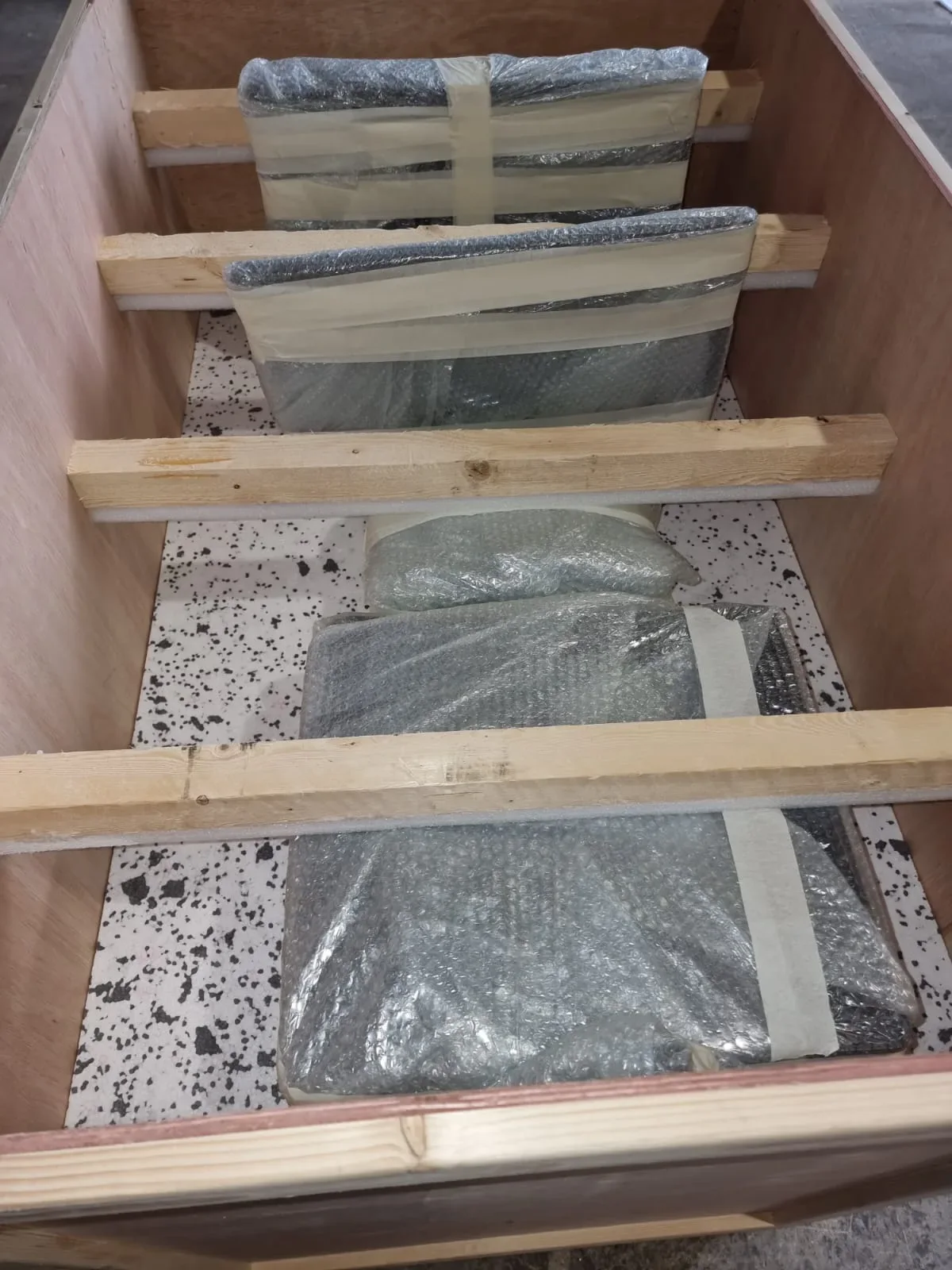
Why mirrors travel upright
Large mirrors and sheets of glass are usually shipped standing on edge, not lying flat. Glass is far stronger along its edge. Lying flat, a big sheet can bend under its own weight and from vibration, and anything set on top of the crate presses straight down on it. Upright, on its cradle, it carries its weight the way it was made to.
That's why the crate is marked This way up, and why it should be loaded and stored standing.
Why blankets and bubble wrap alone aren't enough
A mirror wrapped in blankets or bubble wrap and leaned against the side of a van is the most common way mirrors get broken. The wrap stops scratches, but it does nothing to stop the frame flexing, the glass taking a knock through the padding, or the whole thing sliding and landing on a corner.
A crate is different because it holds the mirror in one fixed position. The cradle carries the weight, the battens stop it rocking, and the plywood walls take any knocks before they reach the frame.
Which lining suits a mirror?
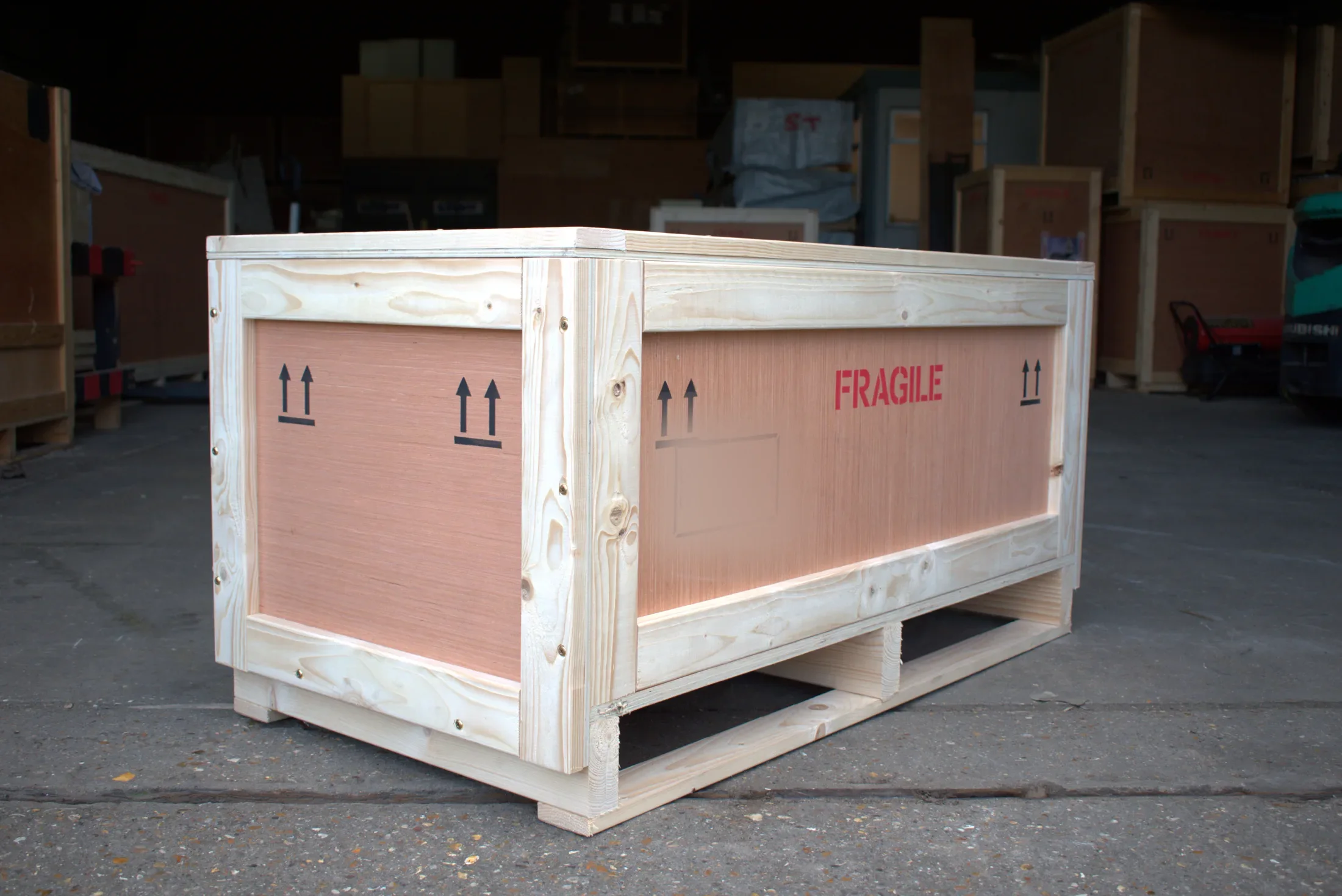
Around the frame we usually use HLB22 soft foam, a charcoal grey foam that cushions knocks and vibration around gilded and carved edges. The battens are faced with foam, so nothing hard touches the frame. The cradle under the bottom edge is different: it carries the weight, so it's made of white high density foam, which is firm and doesn't compress over a long journey. Soft foam where the frame is touched, firm foam where the weight sits. Each comes in 25 mm, 50 mm, 75 mm and thicker, chosen for the piece.
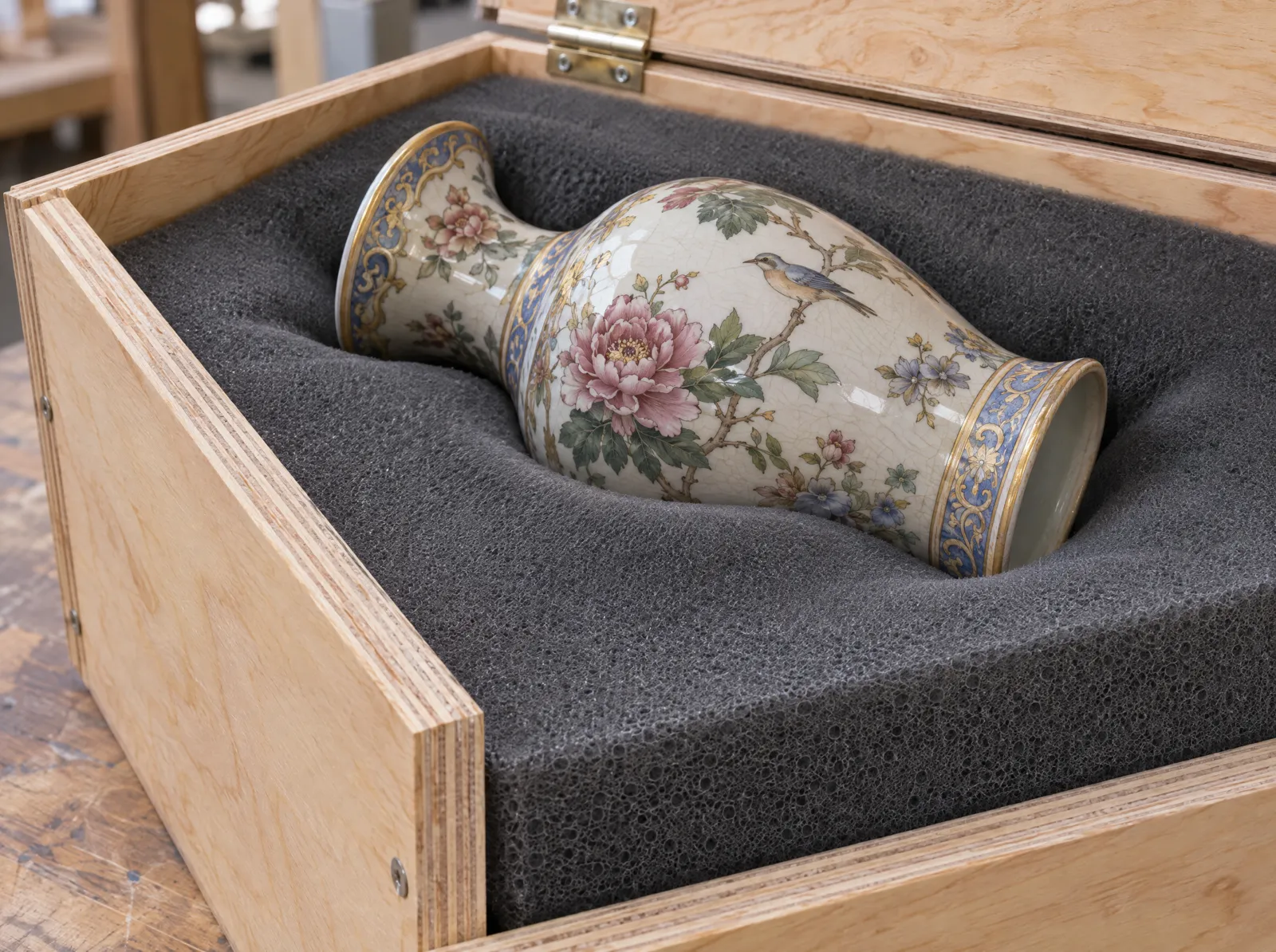
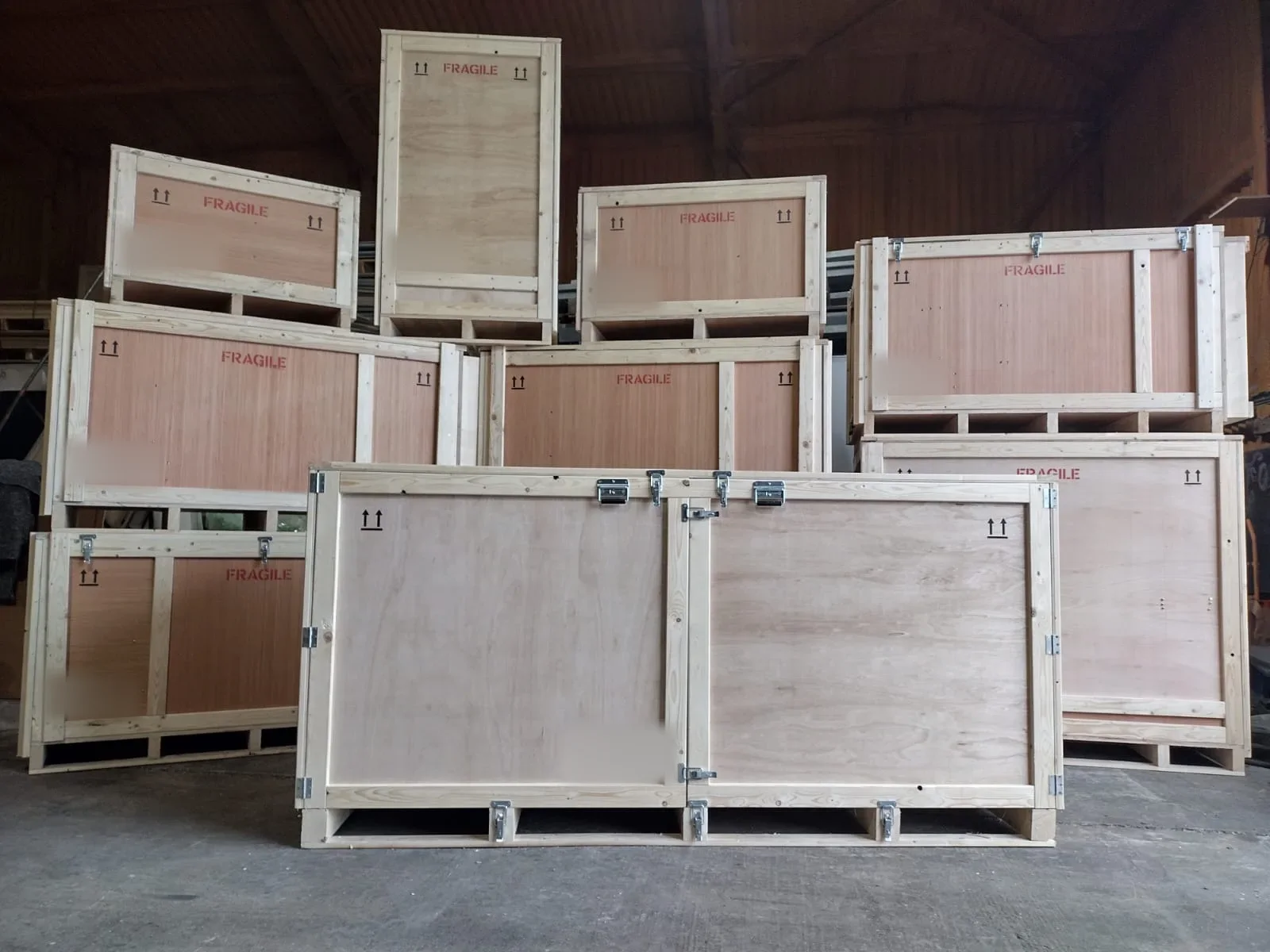
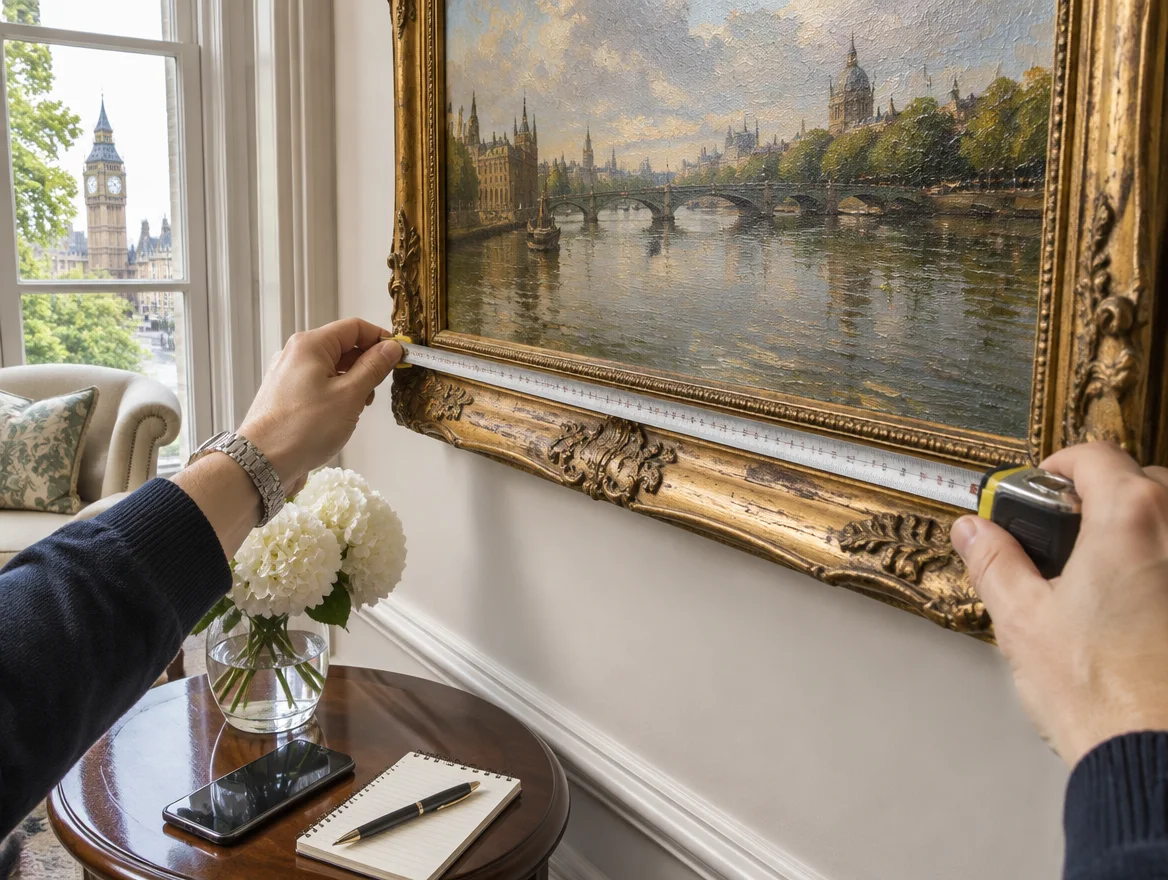
Send us a photo and the measurements.
We’ll recommend the crate, the lining and the supports, and come back with a bespoke quote.
Very large mirrors and glass panels
The bigger the sheet, the more it flexes, and the more the frame matters. Very large mirrors may need a stiffer back inside the crate, extra battens and more than two people to lift. Above a certain size the crate's route out of the building decides its shape as much as the mirror does, so send us measurements of doors, stairs and turns as well as the mirror itself.
Mirrors that are built into a wall or fireplace need taking down carefully before packing. Tell us how yours is fixed, and ask us whether it is something we can do.
Antique mirrors and gilded frames
- Old mirror glass is often thinner and the silvering on the back is delicate. It scratches and can lift if it gets damp. The back is protected as carefully as the front.
- Gilded frames have a layer of gesso under the gold. It chips easily at the corners and on carved details. Soft foam, and no tape anywhere on the gilding.
- Overmantel and pier mirrors can be tall and narrow, with separate crests or candle arms. Anything that comes off is packed separately in its own foam.
For more on antiques, see antique shipping.
Glass-fronted pictures, cabinets and other glass
- Framed pictures behind glass: the glass is taped in a lattice, so if it cracks it can't scratch the picture. Acrylic glazing is protected differently, as tape can mark it. See paintings.
- Cabinets with glass doors: glass shelves come out and travel separately, doors are secured shut, and the cabinet is held so it can't rock.
- Glass table tops and loose panels: taped, edges protected with foam, and shipped upright on edge in their own padded slot, like a mirror.
- Glass objects and ceramics: each piece wrapped in tissue paper and bubble wrap, bedded in foam inside a crate. See ceramics and porcelain and chandeliers and lighting.
Unpacking a mirror safely
- Keep the crate upright, as the arrows show, and open the side marked for the glass
- Undo the battens and lift the mirror out by its frame, never by the glass
- Use two people for anything you can't lift comfortably on your own
- Peel the tape from the glass slowly, at a low angle, so it comes away cleanly
- Check the frame corners and the back before it goes up on the wall
- Make sure the wall fixing is strong enough for its weight
What to tell us, and what to do before collection
- Height, width and depth including the frame
- Roughly how heavy it is (does it take one person or two?)
- Is the frame gilded, carved or painted?
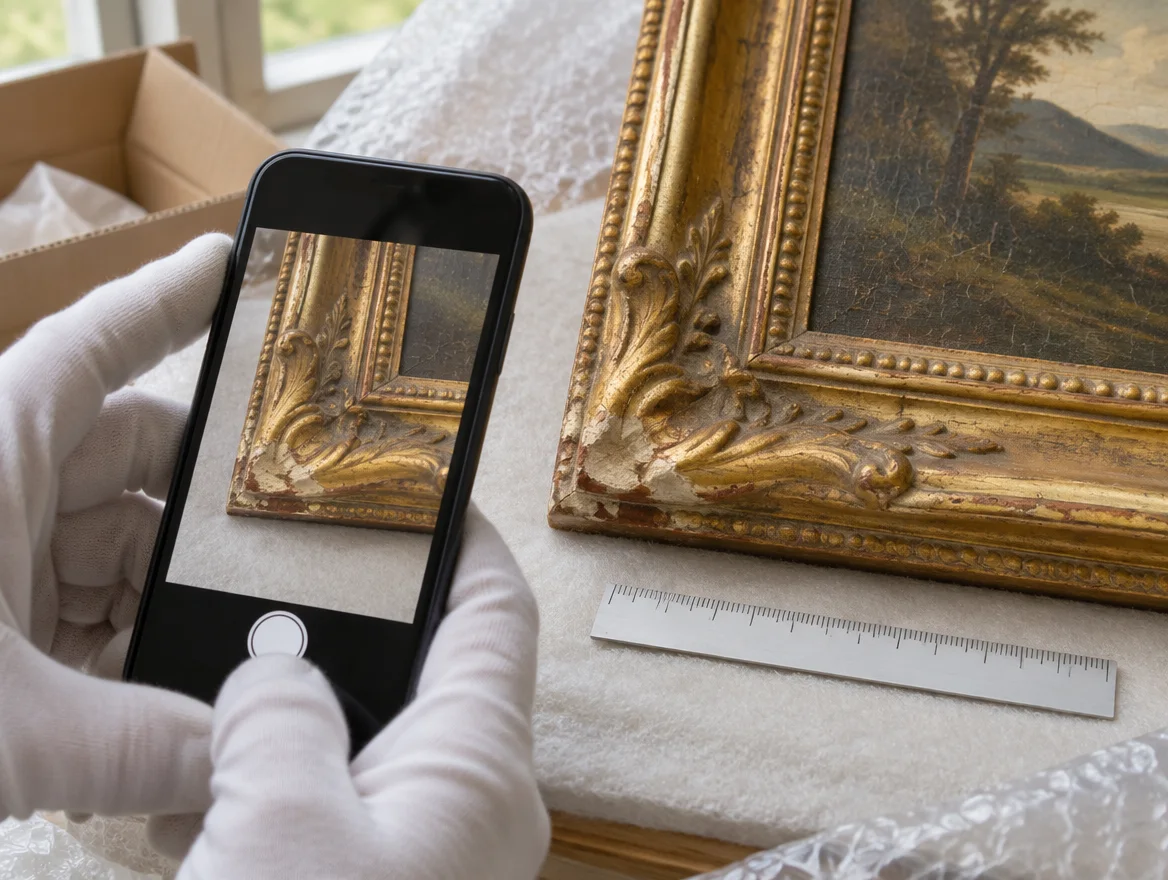
- Any cracks, loose parts or wobbly joints already
- Photos of the front, the back and the corners
- Collection and delivery addresses, and access (stairs, lifts)
Before we collect, leave the mirror where it is if it's on the wall; we'll take it down. Please don't tape or wrap it yourself. Remove anything fixed to it that isn't part of the piece. Arrange transit insurance for its value; see insurance. Then request a quote.
Common questions
Where should a mirror's weight sit in a crate? +
Along the whole bottom edge, on a firm cradle of high density foam. Resting the weight on the corners puts stress on the frame and the glass.
Why tape the glass on a mirror? +
If the glass cracks in transit, tape keeps the pieces in place so they don't cut into the frame or anything else.
Should a mirror be shipped flat or upright? +
Upright, on its edge. Glass is much stronger along its edge, and a large sheet lying flat can flex and crack under vibration or weight on top.
How do you protect a gilded frame? +
Soft foam on the corners and carved details, no tape anywhere on the gilding, and foam-faced battens so nothing hard touches the frame.
Can you ship an antique mirror abroad? +
Yes. A lot of our crates go to the United States and Europe, and we can give you options for anywhere in the world. Older, valuable pieces may need an export licence, which you, your shipper or a customs agent will need to arrange. We don't handle customs paperwork.
How do you ship a glass-fronted picture? +
The glass is taped in a lattice, the frame is padded and held by battens, and the crate is built to measure. Tell us if it's acrylic rather than glass.
How much does it cost to ship a mirror? +
Every quote is bespoke, based on the size, weight, how fragile it is, where it's going and how quickly. Send us the details and we'll come back with a price for your mirror.
Related
Tape, corners, battens, and why it stands on edge.
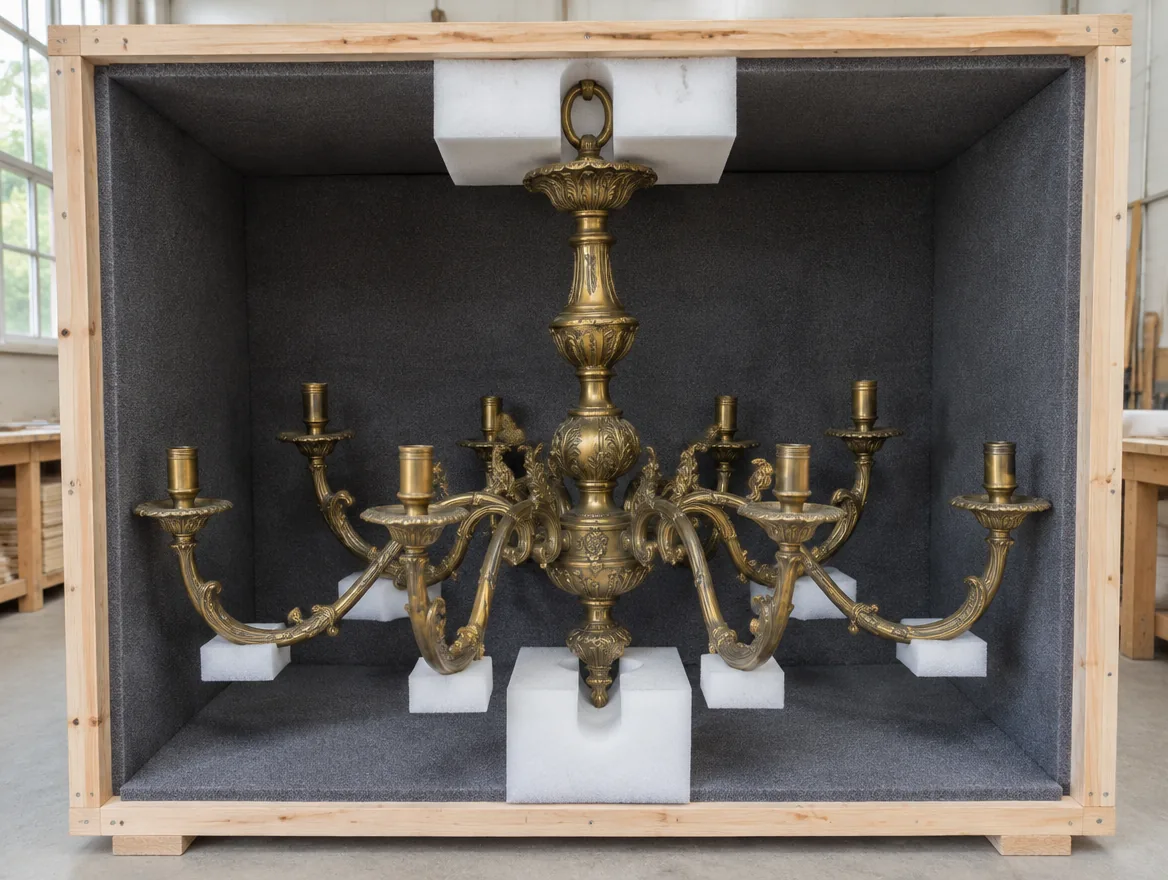
Every drop labelled, wrapped and trayed.
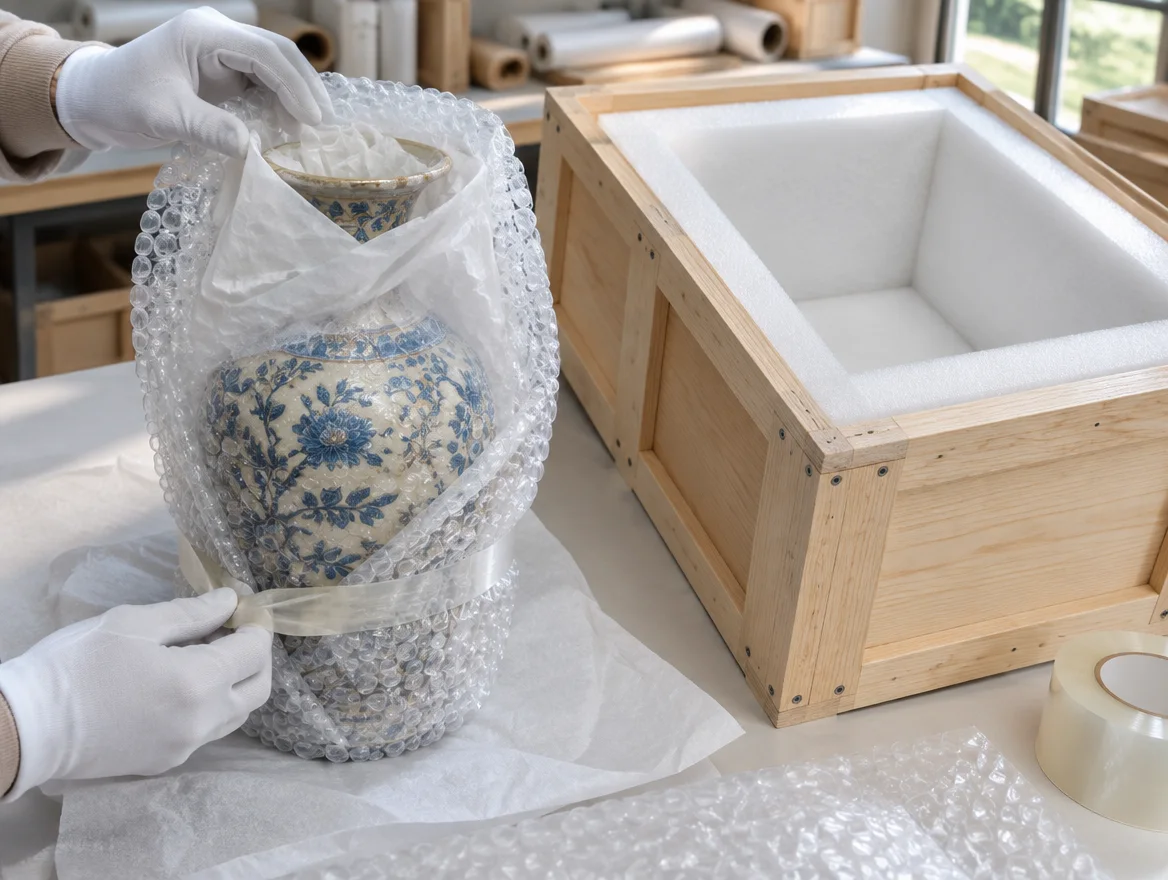
Clocks, mirrors, glass and collections.
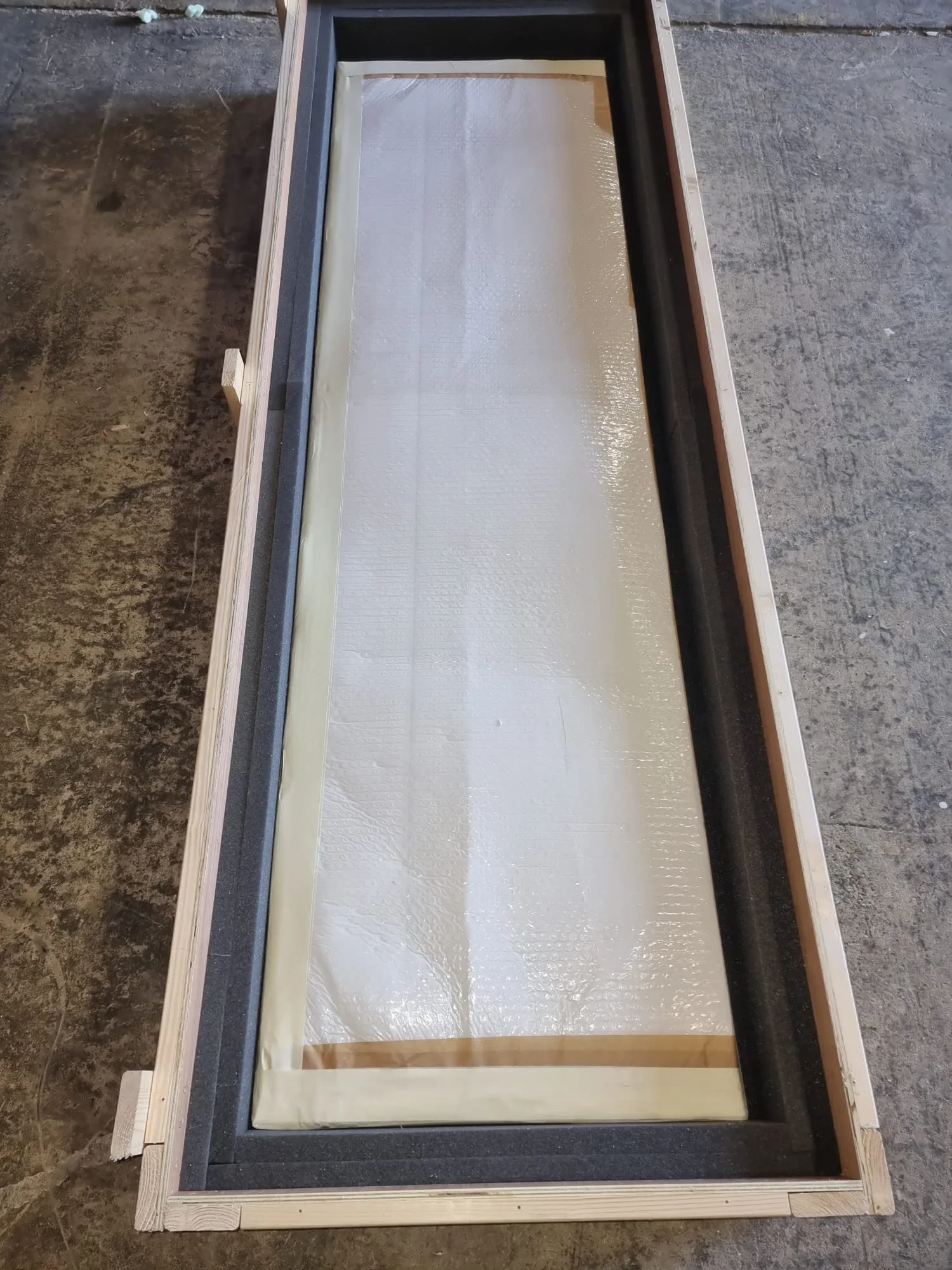
Surface protected, frame held still.
Swipe for more →
Tell us what needs to travel.
Every quote is bespoke, based on the piece itself. Send us the details and we'll come back to you.