

Packing and shipping antique clocks
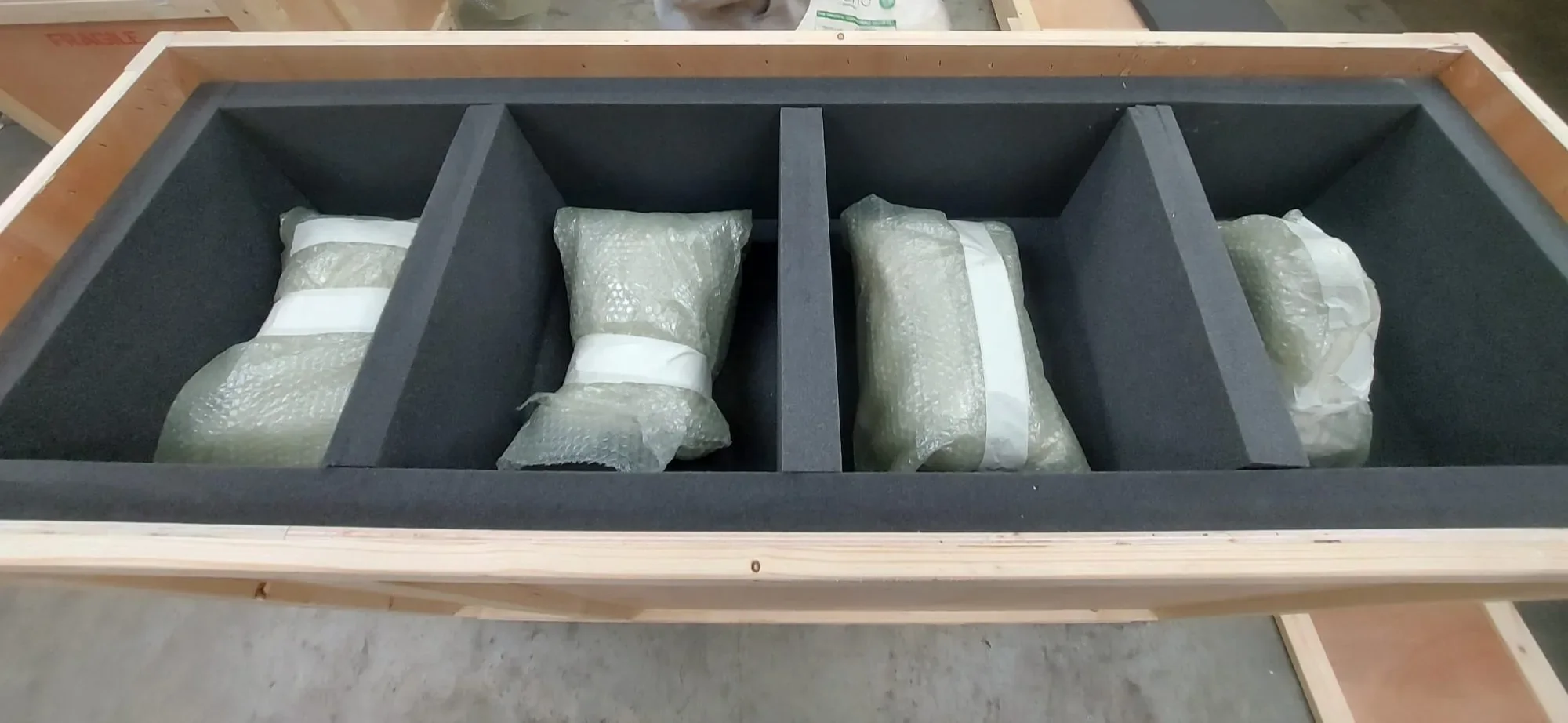
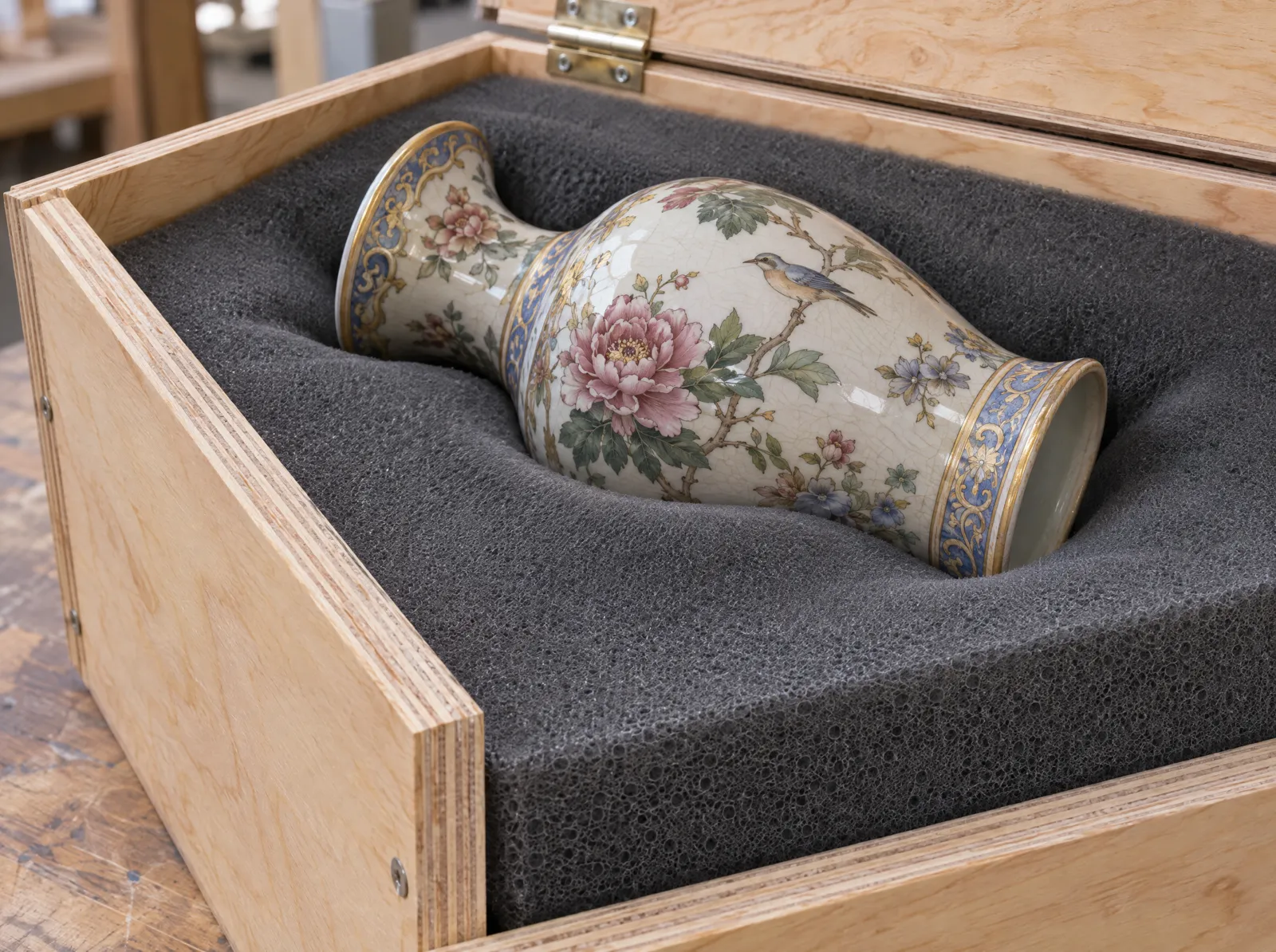
A clock is several fragile things in one: a case, a dial, a movement, a pendulum and heavy weights. We pack each part on its own, each in its own foam compartment, and crate the lot so nothing knocks against anything else.
How we crate a longcase clock
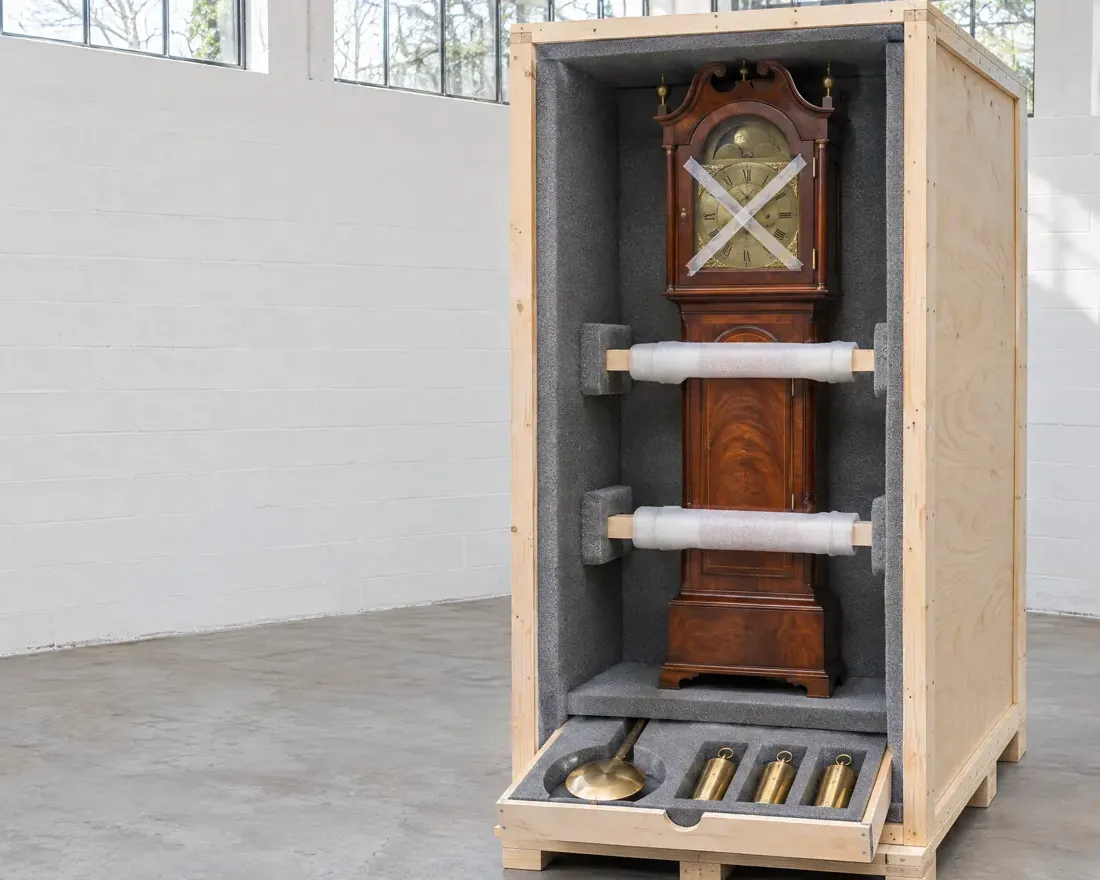
A longcase clock is one of the most fragile antiques to move. The pendulum and weights come out and travel separately, and the clock itself is held still on every side.
Why clocks get damaged in transit
Most damage to a clock on the move comes from parts that should have been taken out or held still. A pendulum left hanging swings and can damage the suspension and the movement. Weights left on their lines can swing into the case or glass. Chains and cables slip off their wheels. And a tall case on its own is top-heavy and fragile at the hood.
So a clock is never packed as one object. It's taken down into its parts, and each part is packed for what it is.
How do you pack an antique clock for shipping?
- 01Stop it and take the pendulum out
The pendulum is stopped by hand and unhooked. It is wrapped on its own, as the thin suspension spring at the top is easy to bend or break.
- 02Take the weights off and label them
Longcase weights are often different from each other, so each is labelled with its position (left, centre, right) before it comes off. Weights are heavy and travel in their own firm foam.
- 03Secure chains or cables
Chains and cables are held in place so they can't slip off their wheels when the weights are off.
- 04Hood, movement and loose parts
The hood comes off a longcase. Finials, keys and anything loose are wrapped. Whether the movement comes out depends on the clock; see below.
- 05Each part in its own foam compartment
Every part sits in its own cut foam space, so nothing touches anything else.
- 06One crate, built to measure
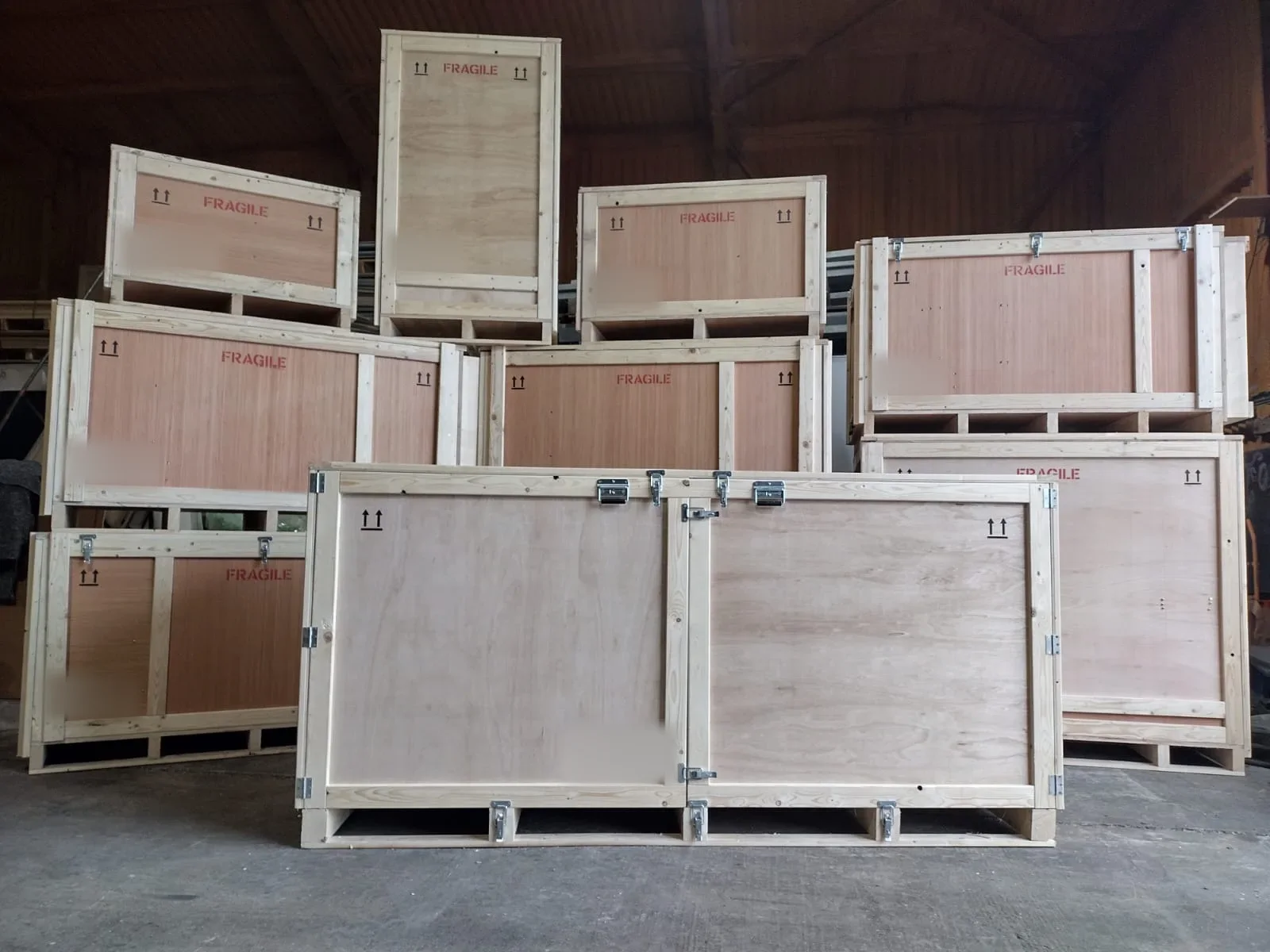
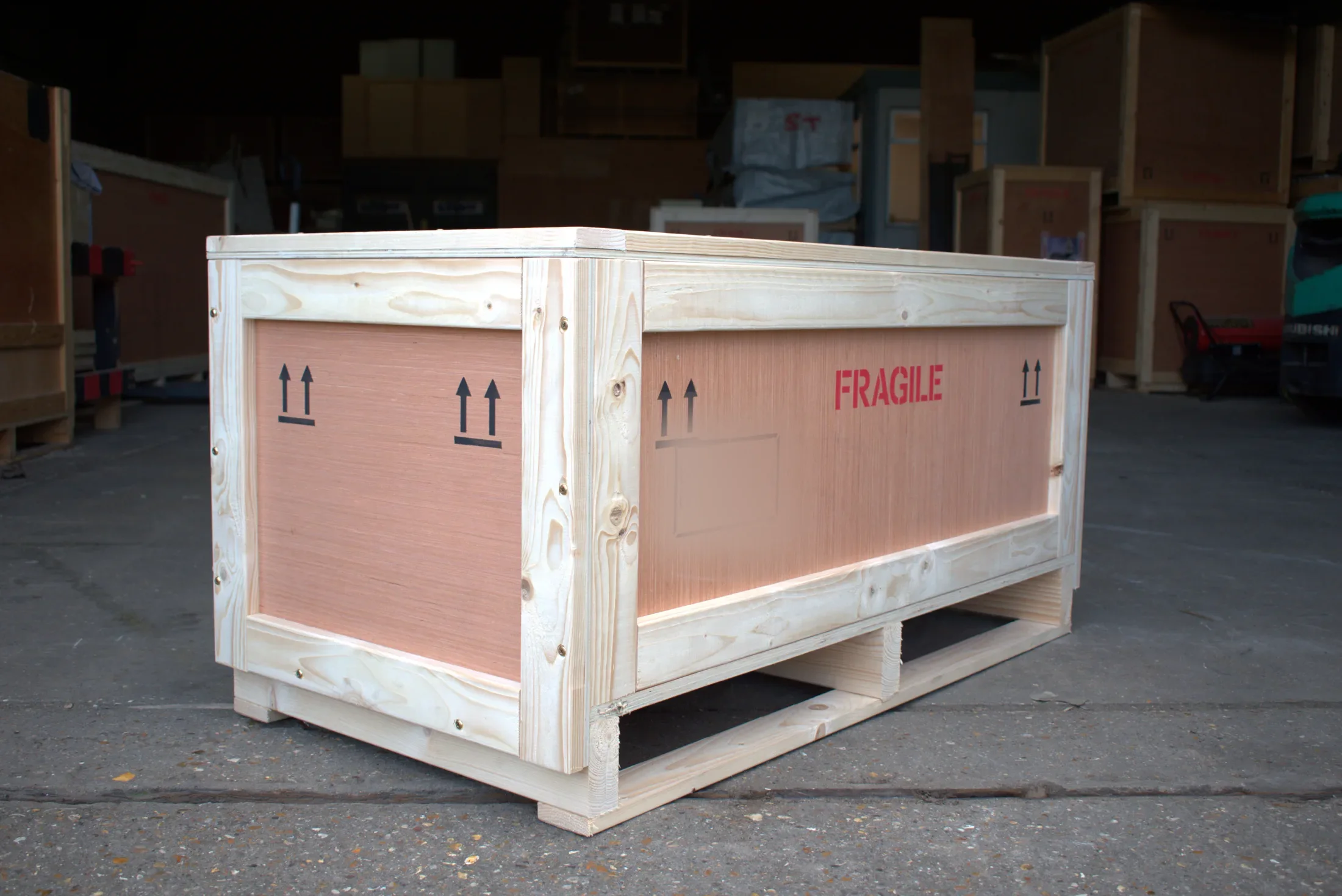
The case and the parts travel in one crate. A tall case travels upright, held still on all sides.
Who takes the clock apart?
Some owners prefer their own clockmaker to prepare the movement for travel and set the clock up again at the other end, especially for a valuable or temperamental clock. That's often a good idea. Tell us what suits you when you ask for a quote, and ask us what we can do on the day.
Longcase, bracket, mantel and carriage clocks
| Type | Main risks | How it's packed |
|---|---|---|
| Longcase (grandfather) | Pendulum, heavy weights, tall top-heavy case, fragile hood and glass | Pendulum and weights out and packed apart; hood off; case crated upright |
| Bracket and mantel | Pendulum, glass, finials, handles and feet | Pendulum secured or removed; whole clock in its own foam compartment |
| Carriage clocks | Bevelled glass panels, the handle and the platform escapement | Wrapped, boxed in foam, inside a crate with other small pieces |
| Wall and regulator clocks | Long pendulum, glass door, weights | Pendulum and weights out; case held flat or upright as it suits |
Spring-driven clocks
Bracket, mantel and carriage clocks are usually driven by springs rather than weights. They are smaller and simpler to pack, but they still have a pendulum or a delicate escapement inside. The pendulum is secured or taken off, as the clock allows, and the whole clock travels upright in its own foam compartment inside a crate. Several small clocks can share one crate, each in its own space, which helps dealers sending a few pieces at once.
Which lining suits a clock?
Clocks usually need two kinds of foam. HLB22 soft foam (charcoal grey, soft) cushions the delicate parts: dials, glass, finials, the movement. High density foam (white, firm) holds the heavy parts, like the weights, so they don't sink into the foam and shift. The compartments are cut to fit each part. Thicknesses run from 25 mm, 50 mm and 75 mm upwards.
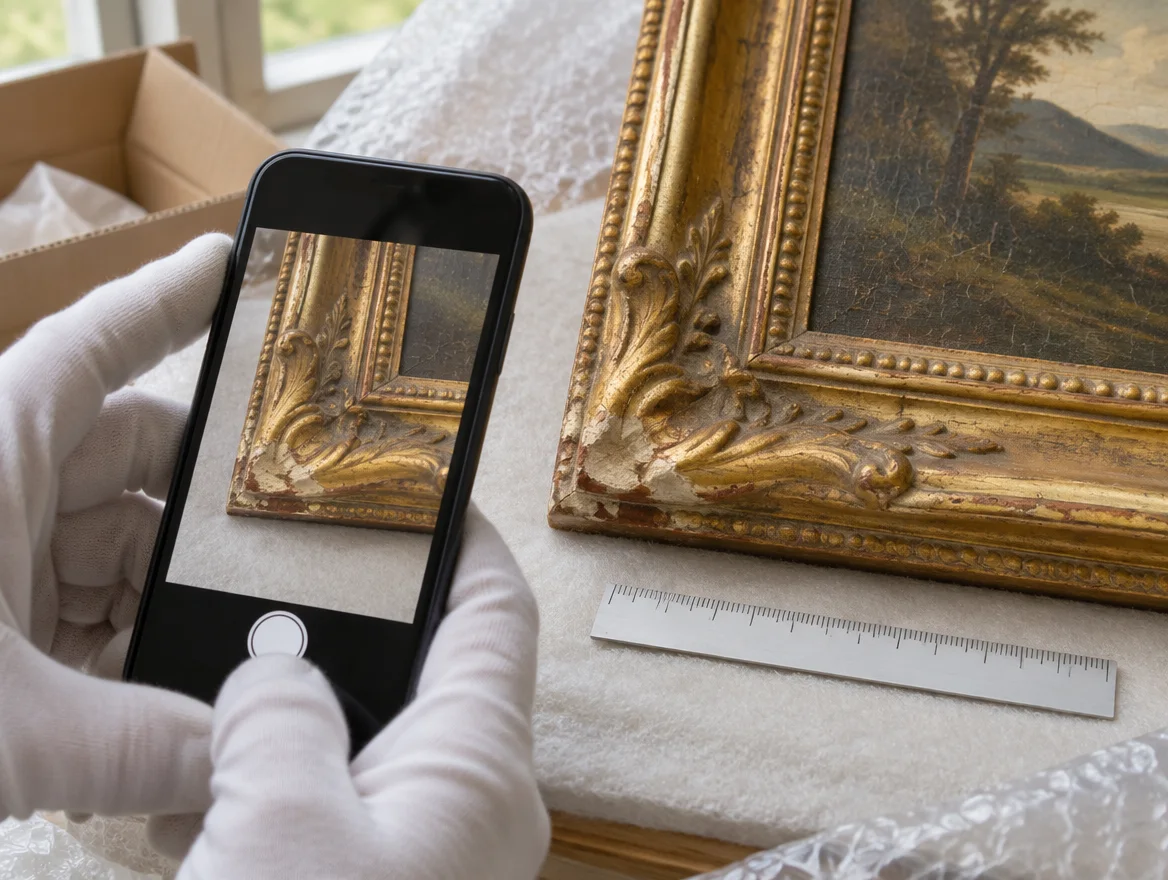
Send us a photo and the measurements.
We’ll recommend the crate, the lining and the supports, and come back with a bespoke quote.
Damp and temperature
Clock cases are wood, often veneered, and movements are brass and steel. Damp can lift veneer and start rust on steel parts, and quick swings in temperature can cause condensation. A closed, lined crate slows changes down. At the other end, let the clock settle indoors before it's set up and started.
Dials, glass and finials
- Painted and silvered dials mark easily. Nothing should rest on the face, and fingers should stay off it.
- Hood and door glass is often old and thin, and may be held by putty that has dried out. It is protected on both sides inside its own foam.
- Finials, feet and handles often unscrew or lift off. Anything that comes off is wrapped and packed in its own compartment, and listed so nothing is left behind.
- Keys for winding and for the case are packed with the clock, or handed over separately, as you prefer.
Setting up at the other end
A clock that has travelled needs setting up again: the case standing level and steady, the movement in place, the weights back in their right positions, the pendulum hung and the clock put in beat (so the tick is even). Many owners have a local clockmaker do this, and for a valuable clock it is usually worth it.
If the clock is going to a buyer, it helps to send them the labelled positions of the weights and any notes from your clockmaker.
Export rules for antique clocks
Some antiques need a UK export licence to leave the country, depending on their age, type and value. Clocks over 50 years old are covered by the same rules as other cultural goods, and very valuable pieces may need an individual licence. Check the current position on GOV.UK and with Arts Council England. We don't handle export licences or customs paperwork, so you, your shipper or a customs agent will need to arrange them. Some clock cases include materials such as tortoiseshell or ivory, which have extra rules of their own (CITES), so check those too.
Dealers and private owners
Whether you're a dealer sending a clock to a buyer or a family moving a clock that's been in the house for generations, the packing is the same: part by part. We're in London regularly making collections, and we work 9am to 4pm, 7 days a week.
See also antique shipping and, for clocks going to America, shipping from the UK to the USA.

What to tell us, and what to do before collection
- What kind of clock it is, and its height, width and depth
- Weight-driven or spring-driven, and how many weights
- Chain or cable (if you know)
- Photos of the whole clock, the dial and inside the case
- Any existing damage, loose veneer or missing parts
- Collection and delivery addresses, and access at both ends
Before collection: let the clock run down if you can, don't move it yourself, and keep the winding key and any spare parts together for us. If your clockmaker is preparing the movement, book them before we come. Arrange transit insurance for its value; see insurance. Then request a quote.
Common questions
How do you ship a grandfather clock? +
Taken down into its parts: the pendulum and weights out and packed separately, the hood off, chains or cables secured, and every part in its own foam compartment. The case travels upright in a crate built to measure.
Should the pendulum be removed before moving a clock? +
Yes. A pendulum left in can swing and damage the suspension spring and the movement. It is stopped, unhooked and wrapped on its own.
Why label the weights? +
Longcase weights are often different from each other. Labelling each one with its position means the clock can be set up correctly at the other end.
Can a longcase clock travel lying down? +
It's usually best upright, once the pendulum and weights are out. Tell us about your clock and we'll plan the crate around it.
Do you set the clock up at the other end? +
Ask us. Many owners prefer their own clockmaker to prepare and set up the movement, which is often the safest choice for a valuable clock.
How much does it cost to ship an antique clock? +
Every quote is bespoke, based on the item itself: its size, weight, how fragile it is, where it's going and how quickly. Send us the details and we'll come back with a price.
Where do you ship clocks to? +
A lot of our crates go to the United States and Europe, and we can give you options for anywhere in the world.
Is the clock insured in transit? +
Transit insurance is available for every export. It's bought by you, job by job, so the cover matches the piece being shipped. We also have public and product liability insurance.
Related
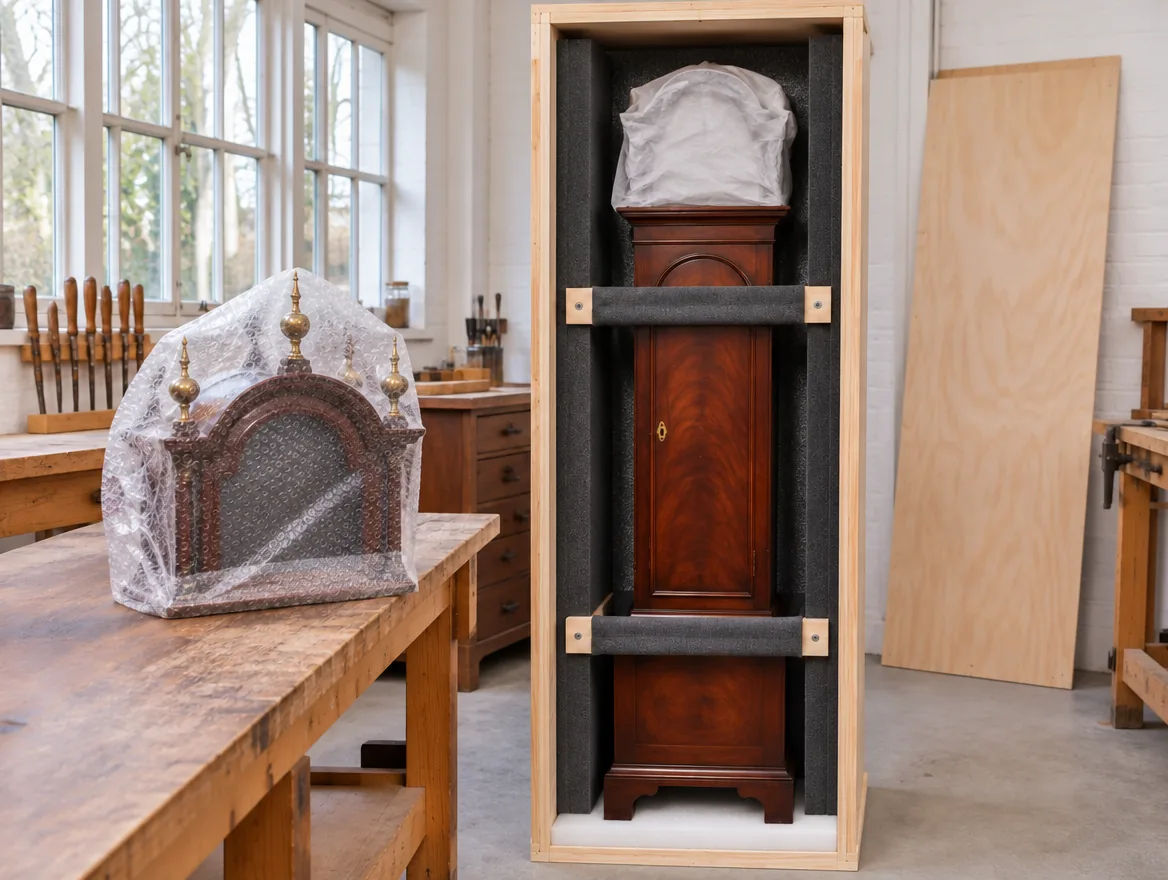
Pendulum, weights, hood and case, in the right order.
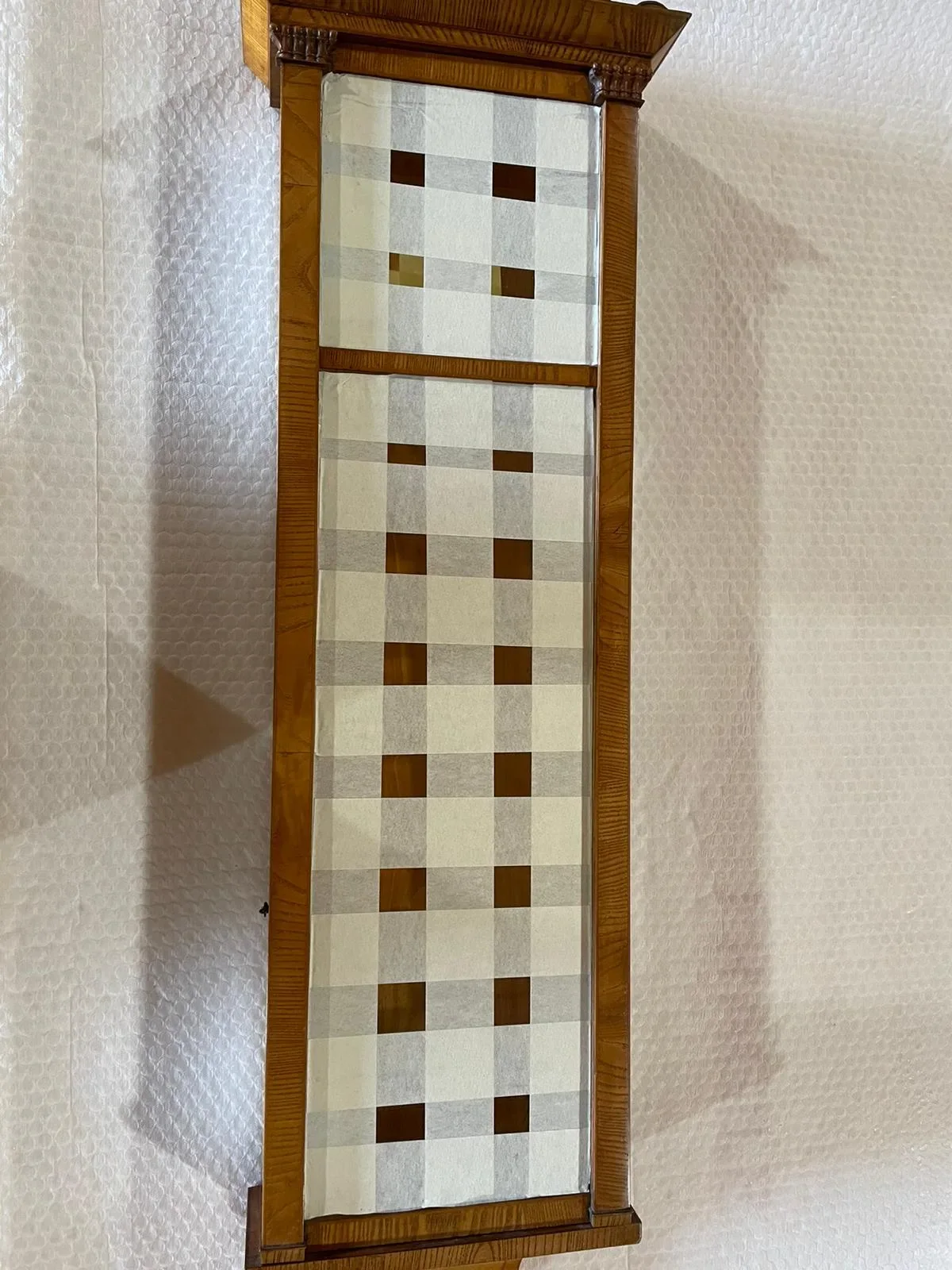
Clocks, mirrors, glass and collections.
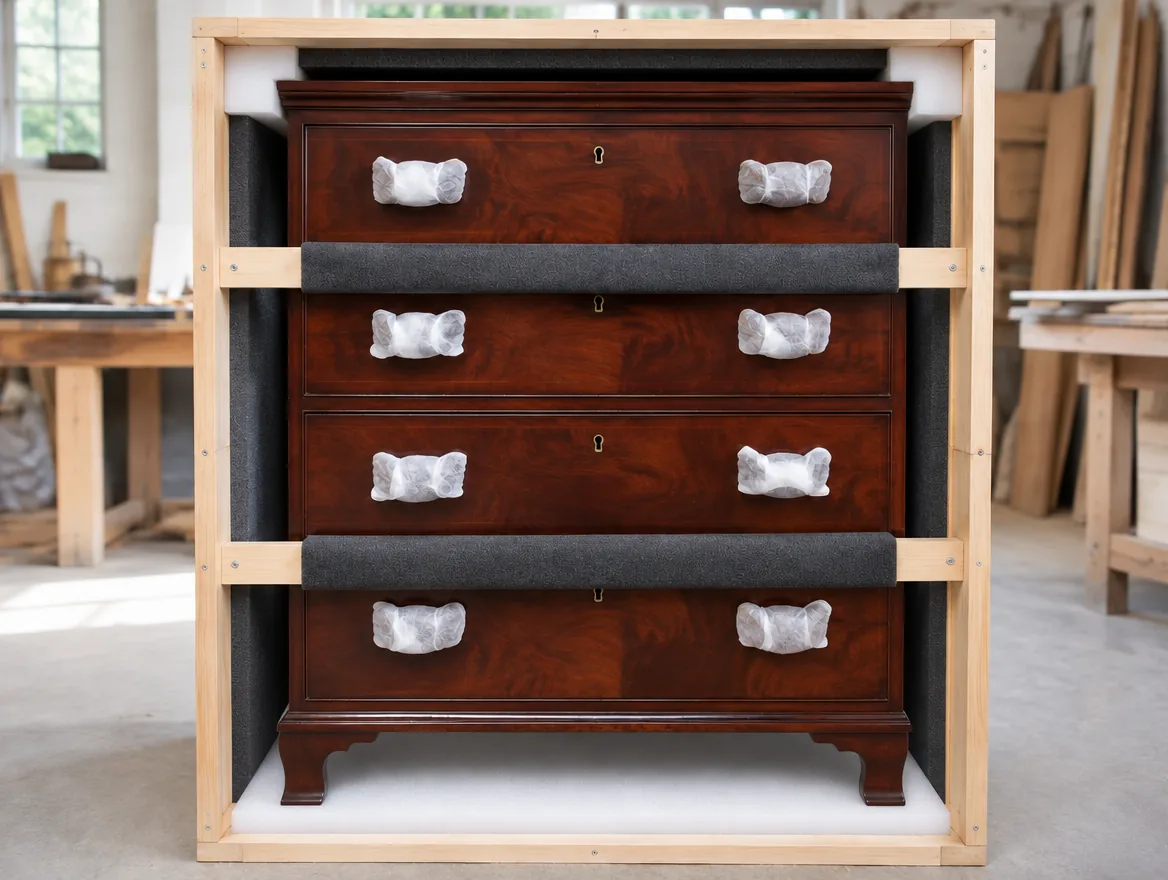
Parts packed apart, finish wrapped, crated upright.
We crate the fragile pieces; your crew moves the house.
Swipe for more →
Tell us what needs to travel.
Every quote is bespoke, based on the piece itself. Send us the details and we'll come back to you.