

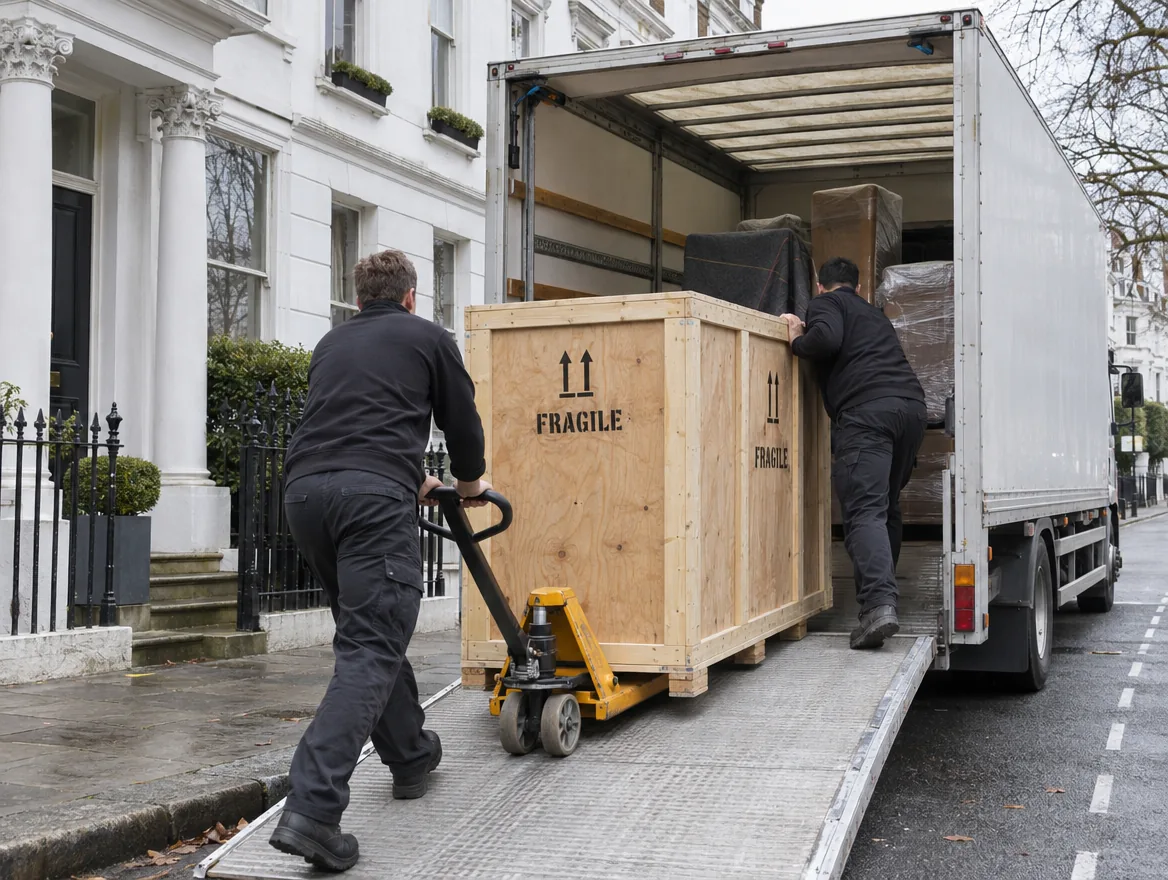
Crating for removal companies
Crating for removal companies is the part of a move most crews would rather hand over: the paintings, mirrors, antiques and fragile pieces that need a crate, not a blanket. We crate them around your schedule, either at our warehouse or with crates built to your measurements and delivered before packing day. Your name stays on the job.
- We take
- Art, antiques and fragile pieces
- Two ways
- Collected to us, or crates delivered
- Schedule
- Around your packing and moving days
- Hours
- 9am to 4pm, 7 days a week
What does crating for removal companies involve?
You move the house; we crate the pieces that need a crate. On most moves that is a short list: a few paintings, a gilt mirror, a chandelier, a marble top, an antique that can't be blanket wrapped. We take those pieces, build a crate around each one and hand them back to your crew, ready to load.
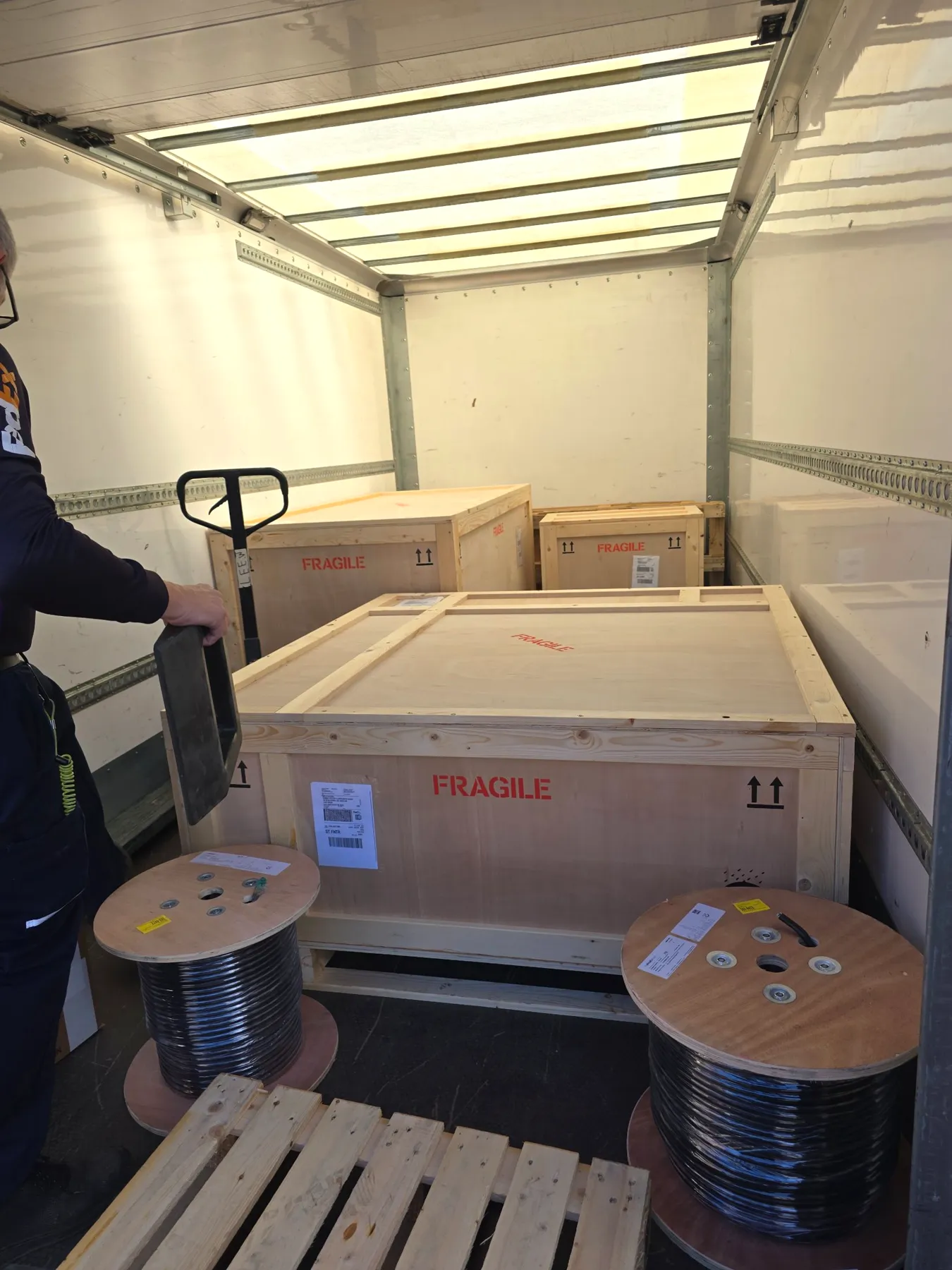
Why bring a crating specialist in? Because a crate is built, not bought. Each one is sized to the piece and fitted inside so the piece can't move, and that takes a workshop, materials and time your crew is better spending on the rest of the house. Our crating experience goes back over 13 years, and we crate any object, item and weight, so the awkward piece on the survey is rarely a problem for us.
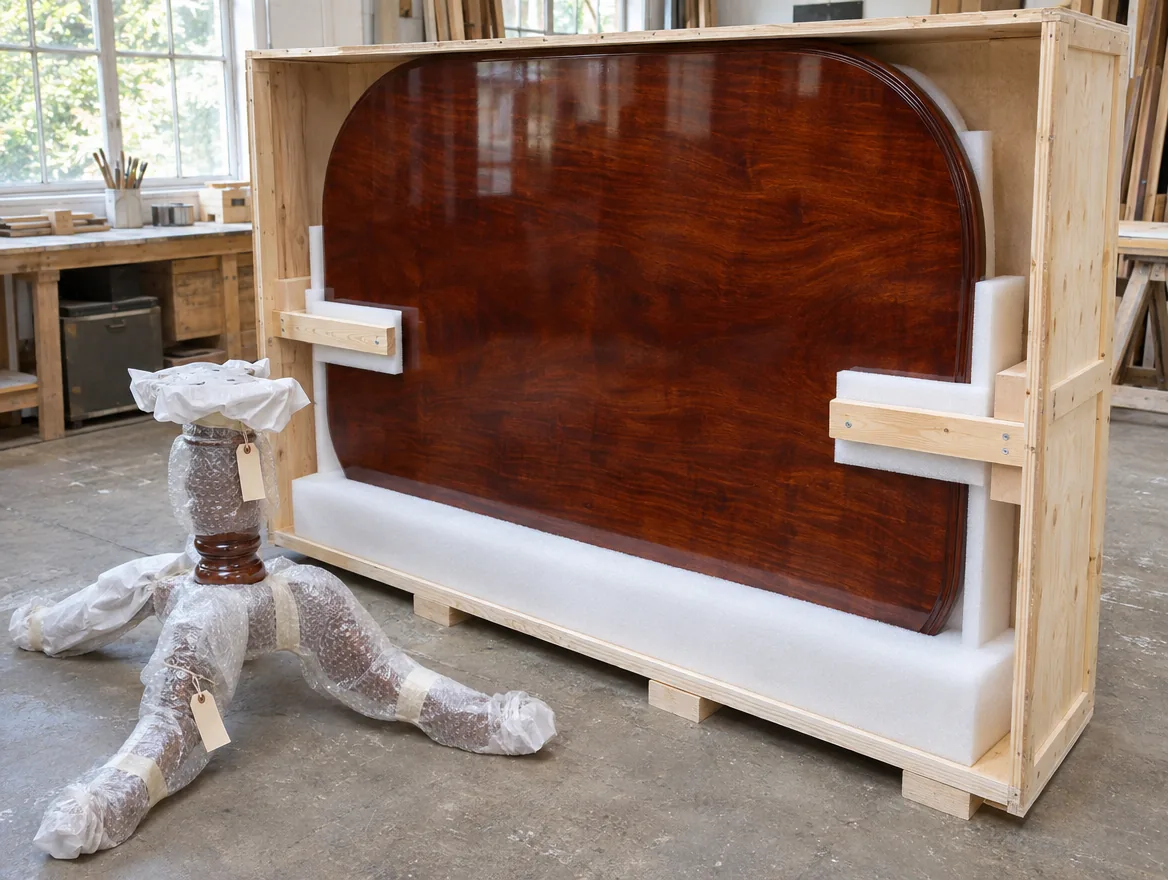
Paintings, works on paper, gilt and glazed mirrors, crated upright. See mirrors and glass.
Cabinets, bureaux, tables and chairs with fragile veneers, carving and legs. See antique furniture.
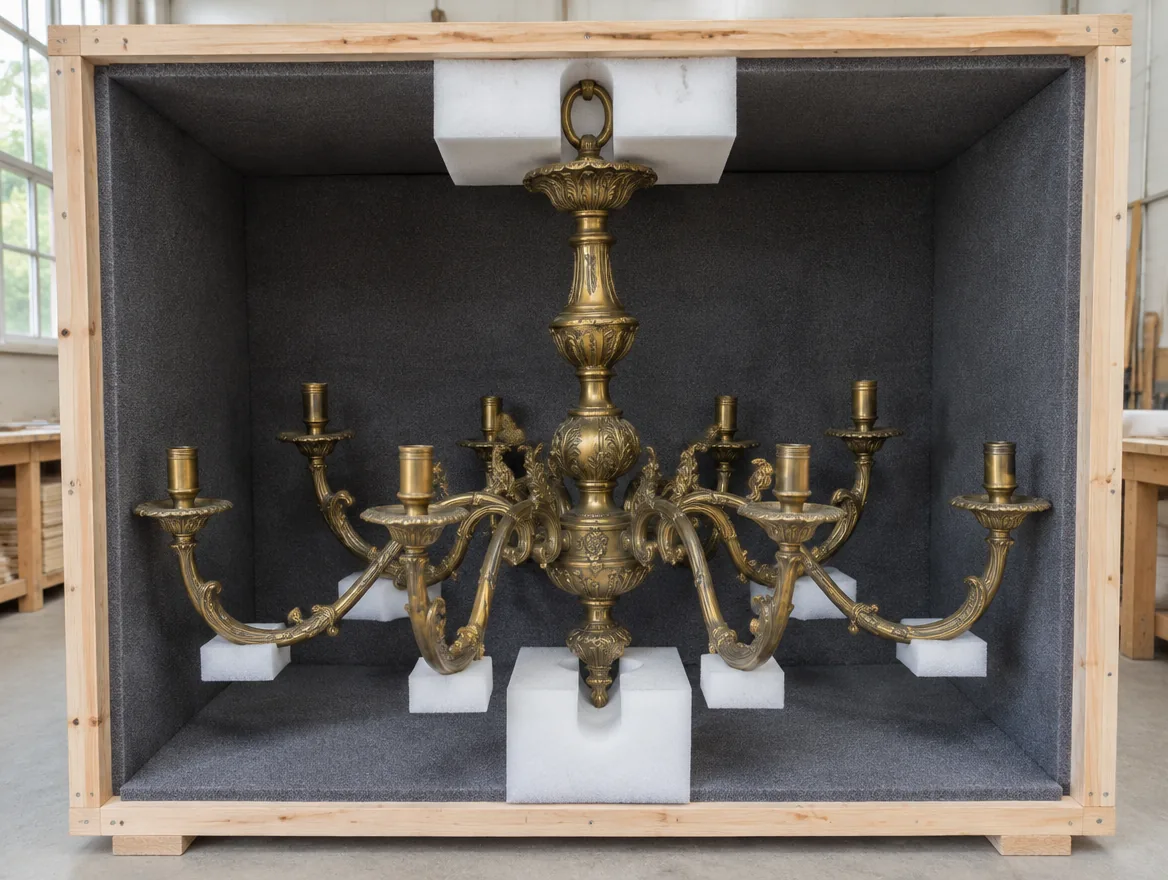
Chandeliers, with drops packed separately. See chandeliers.
Marble, stone, sculpture and pianos. We crate any object and any weight.
Two ways we work with removal firms
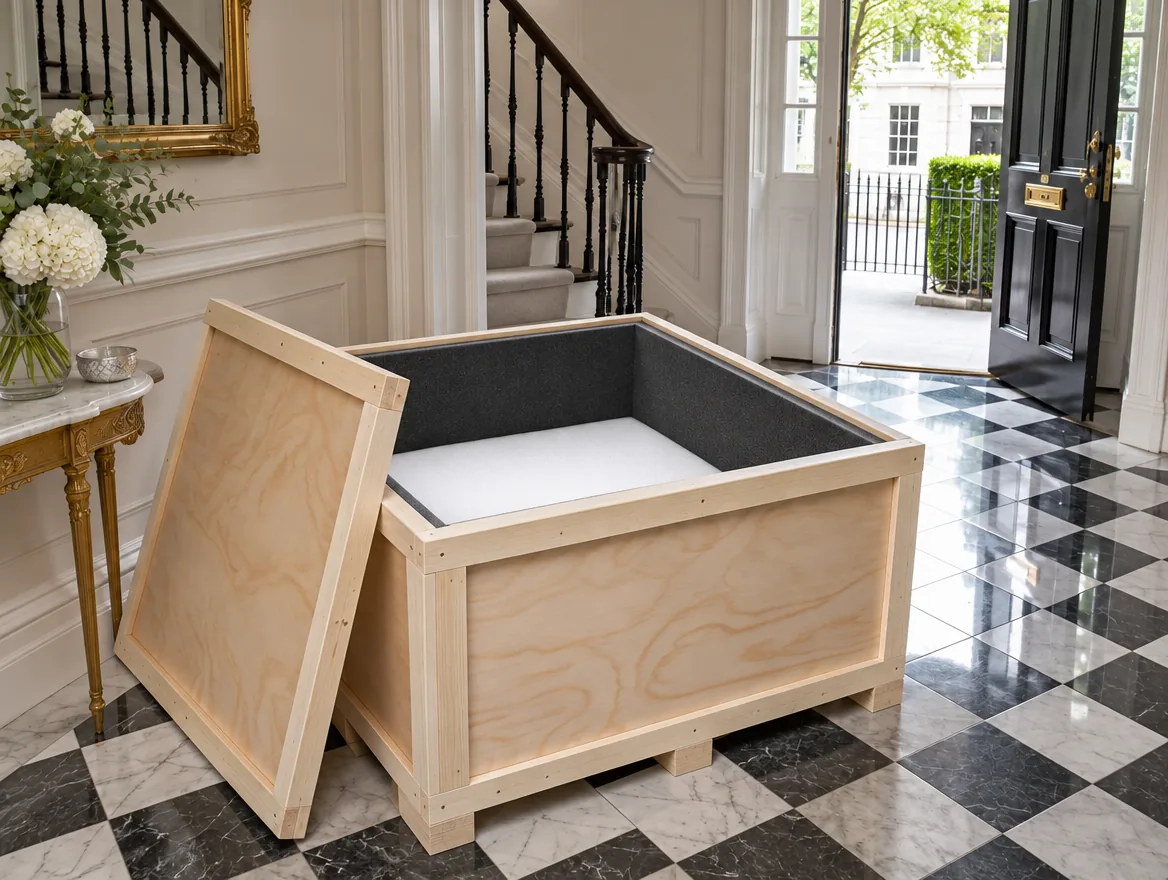
Pick whichever fits the move. Both get you a bespoke crate in a pine frame with plywood panels, lined for the piece.
More on each: collect and crate and crates built to your measurements. If you would like us to pack pieces into crates in the house itself, ask us and we'll tell you what we can do for that move.
| We collect and crate | Crates built to your measurements | |
|---|---|---|
| What happens | We collect the pieces and crate them at our warehouse | You send measurements, we confirm them, build and deliver the crates |
| Who measures | Nobody: we build around the piece | Your surveyor or crew, and we check the numbers with you |
| Who packs the crate | We do | Your crew, on site |
| When the crates are ready | Your crew collects them from us, or we arrange delivery | Delivered to the address before packing day |
| Best for | Pieces that can leave early, odd shapes, very fragile items | Pieces that must stay until moving day, crews used to packing |
How do you fit around our schedule?
We plan backwards from your moving day. Tell us the packing and moving dates when you first get in touch, and we'll work out when the pieces need to be collected or the crates delivered.
We work 9am to 4pm, 7 days a week, which helps when a move falls on a weekend or the dates shift at short notice.
- 01Your survey
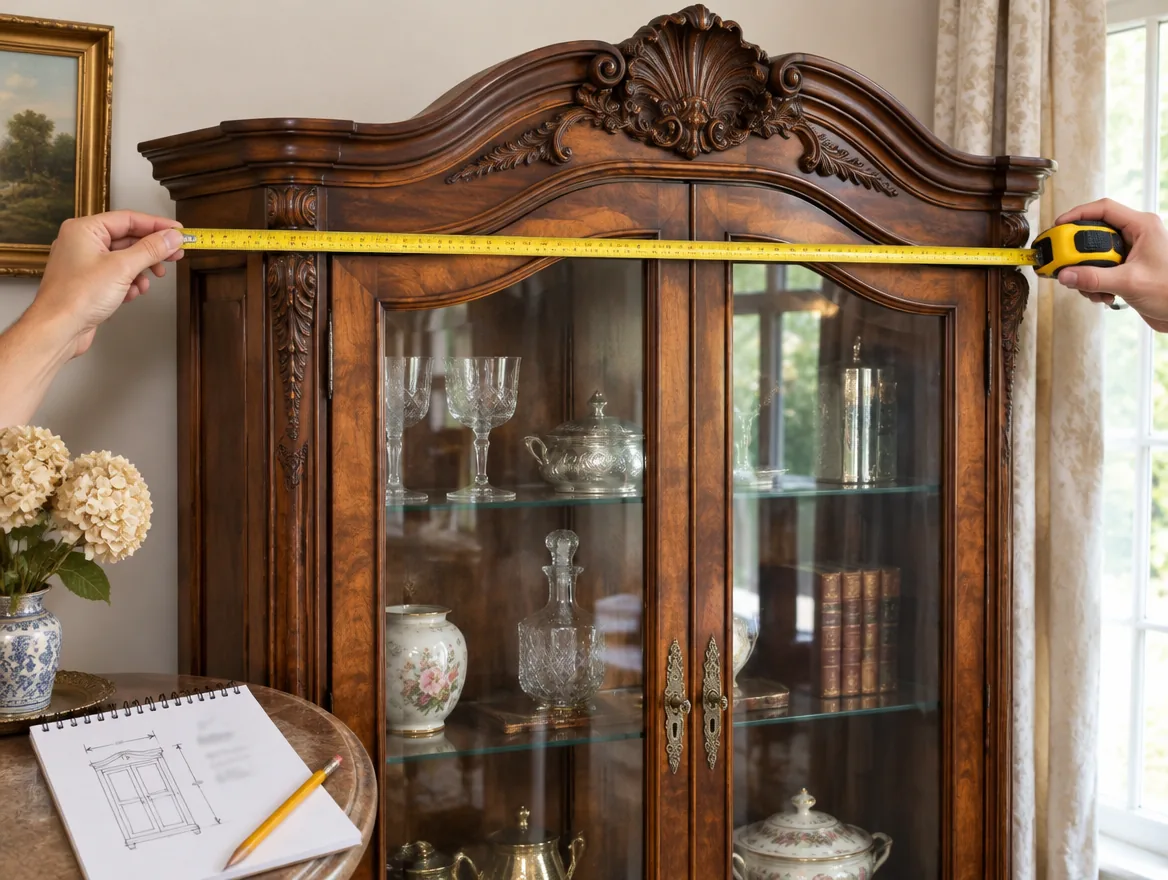
You list the pieces that need crating, with photos, and either measurements or a note that we should collect.
- 02We confirm the plan
Which pieces we collect, which crates we build to your figures, and the dates for each.
- 03Before packing day
Collected pieces are crated at our warehouse; crates built to measure are delivered to the house.
- 04Packing day
Your crew packs the house and, where agreed, the delivered crates.
- 05Moving day
Crated pieces go on your lorry, or are collected from our warehouse by your crew.
- 06Delivery
Your team delivers. The crates are screwed shut, so they open cleanly at the other end.
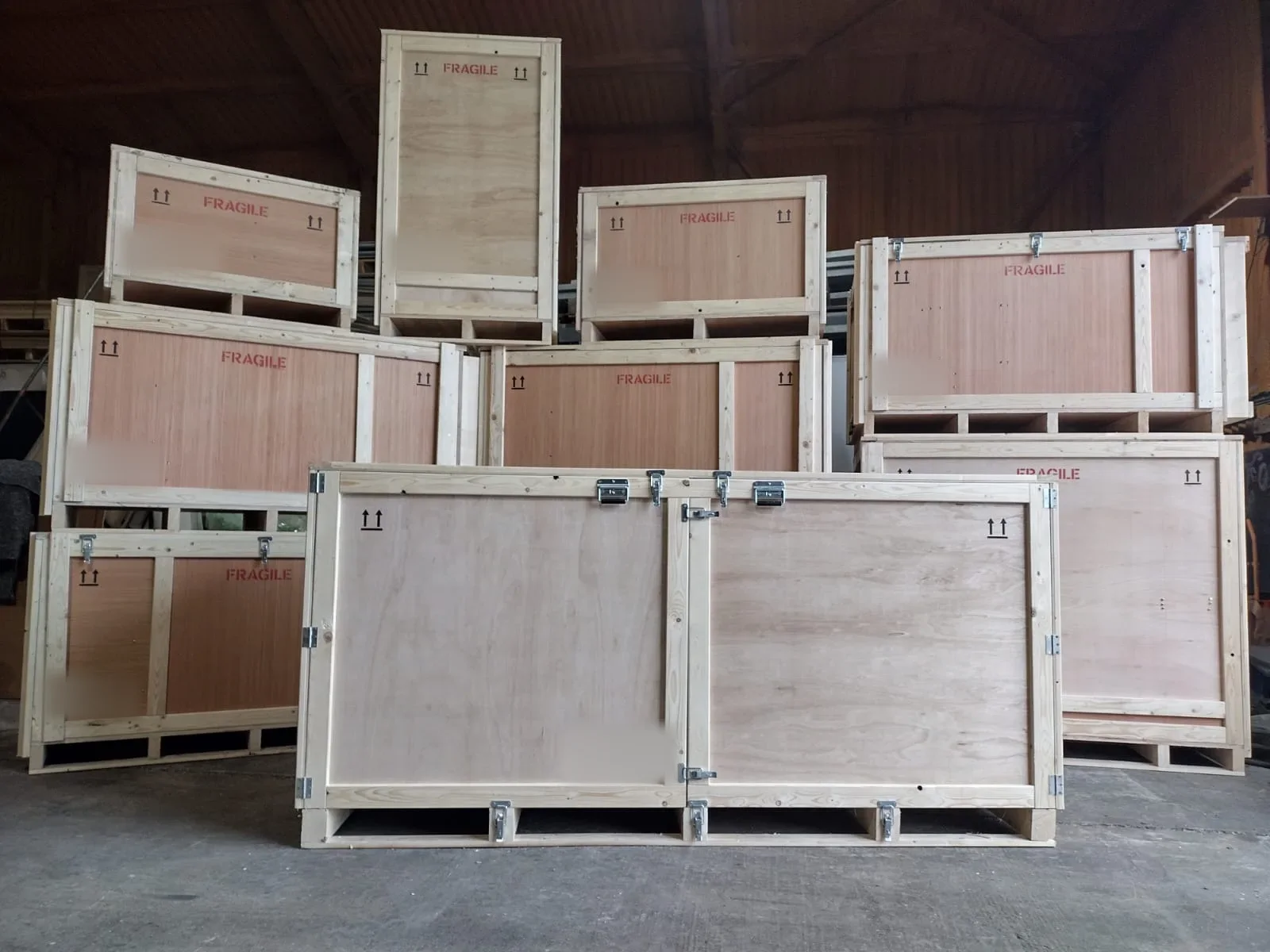
Send us a photo and the measurements.
We’ll recommend the crate, the lining and the supports, and come back with a bespoke quote.
Your name stays on the job
The customer is yours, and so is the move. That is how we work with every removal firm: we deal with you, and the job carries your name. If we are on site, we are there as part of your team.
We never approach your customer for other work. If the customer asks us something about the move, we pass it back to you.
We are crating specialists, not a removal company. We have no reason to compete with you for the move, only to make the fragile part of it go well.
Antique furniture removals: what needs more than a blanket?
Most furniture travels well in blankets. Antique furniture removals are different, because old veneers, carving, marble tops and glass don't forgive a knock. These are the pieces we are usually asked to crate:
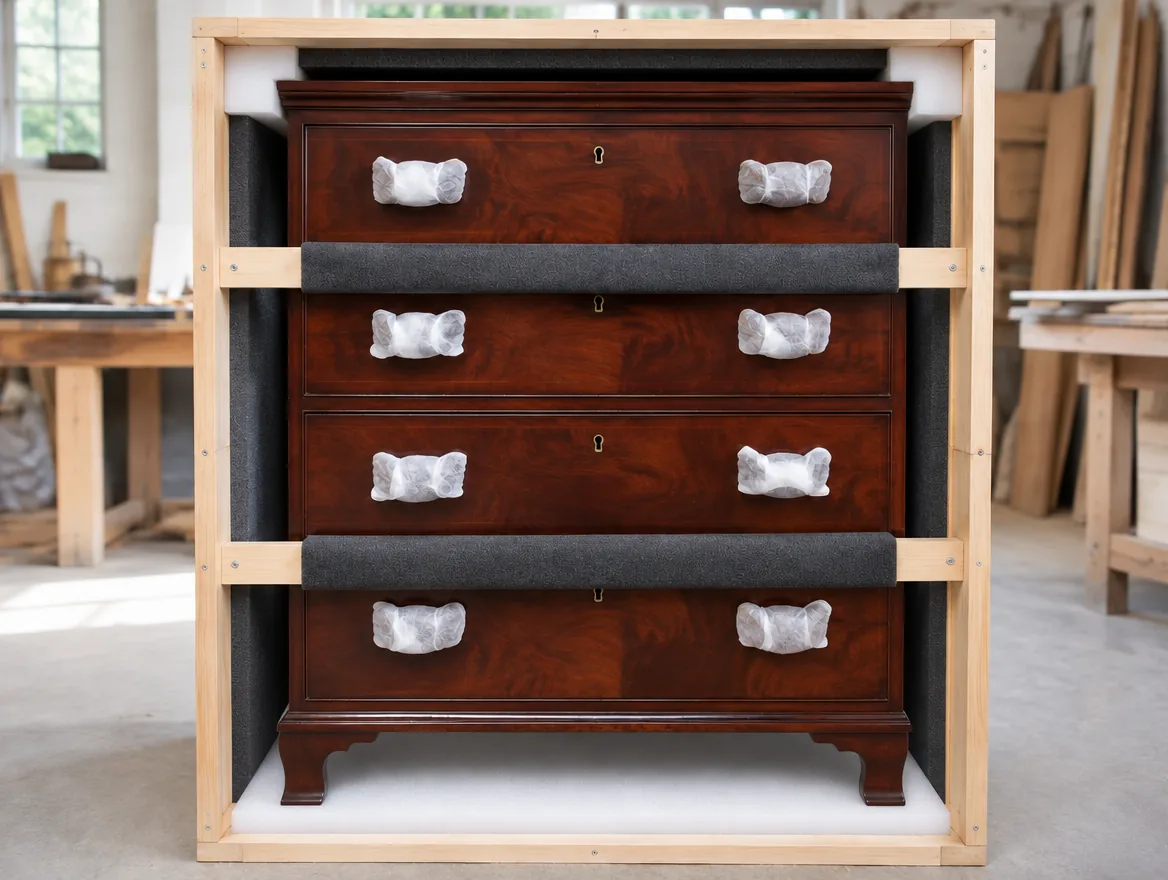
The foam rule is the same on every piece: firm white high density foam wherever the weight sits, soft charcoal HLB22 foam where a delicate surface is touched, and supports running the full length with no gaps.
| Piece | Why a blanket isn't enough | How we crate it |
|---|---|---|
| Gilt or glazed mirror | Glass flexes and cracks; gilding marks under straps | Glass taped, upright on firm foam along the bottom edge, padded battens |
| Marble top | Stone snaps if carried flat | Separate from the base, on edge on a padded A-frame |
| Bureau or cabinet | Loose drawers, doors and fragile mouldings | Drawers secured, firm white foam floor, soft charcoal foam against the finish |
| Chandelier | Arms bend and drops tangle | Drops off and packed in trays, frame held in foam supports |
| Longcase clock | The movement and pendulum must come out | Parts packed apart, case upright in a lined crate. See antique clocks |
| Large painting | Canvases dent; corners split | Upright, foam under the full bottom edge, soft lining at the face |
Condition notes on every piece
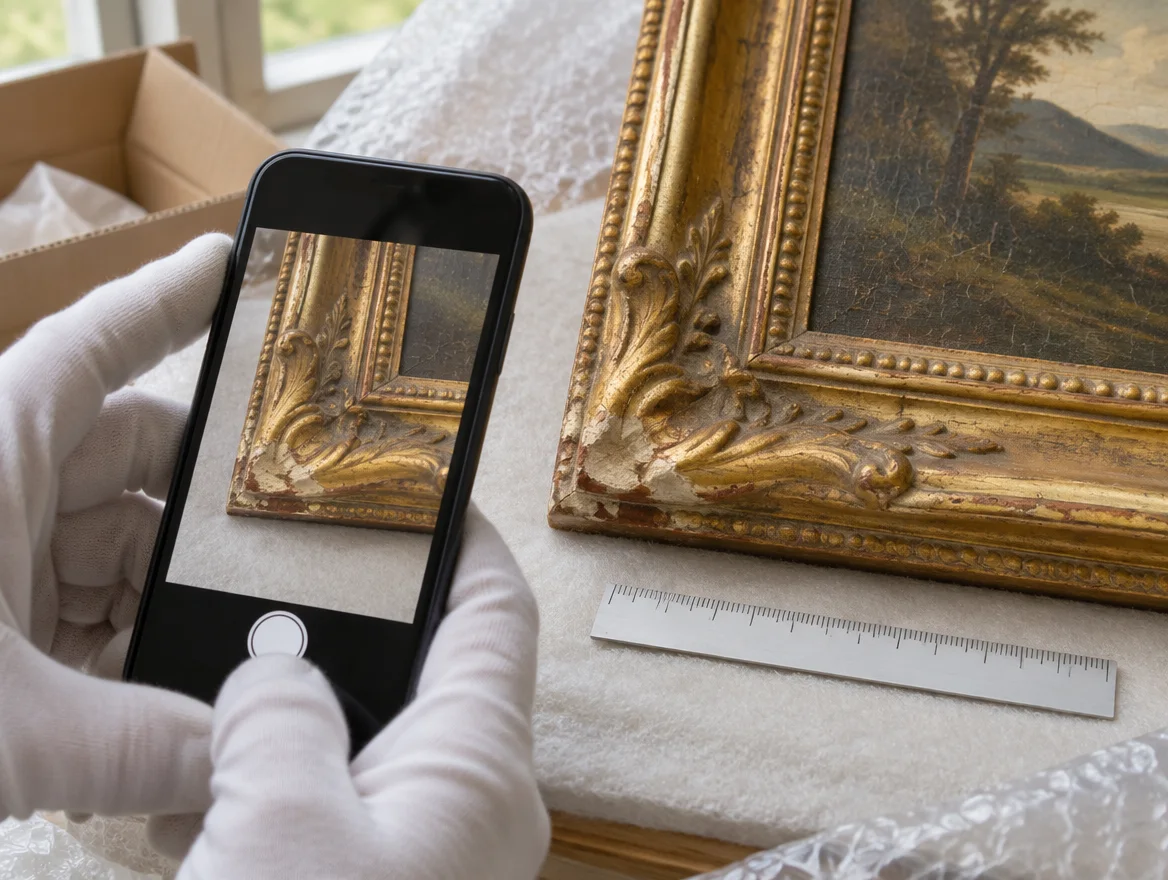
A crated piece passes through several pairs of hands on a move, so a record of how it looked before it left protects you as much as the customer. When we collect or crate a piece, we look it over and tell you about anything we can see: a chip, a loose moulding, a crack in the glass, lifting veneer.
- Your survey photos, dated, before anything is touched
- Any existing damage pointed out to you before the piece is crated
- Close-ups of corners, edges, glass and gilding
- The crate marked with what is inside and which way up it goes
- The photos kept with the job file until the move is signed off
Ask us whether we can photograph pieces at our warehouse as part of the job.
International moves: what changes?
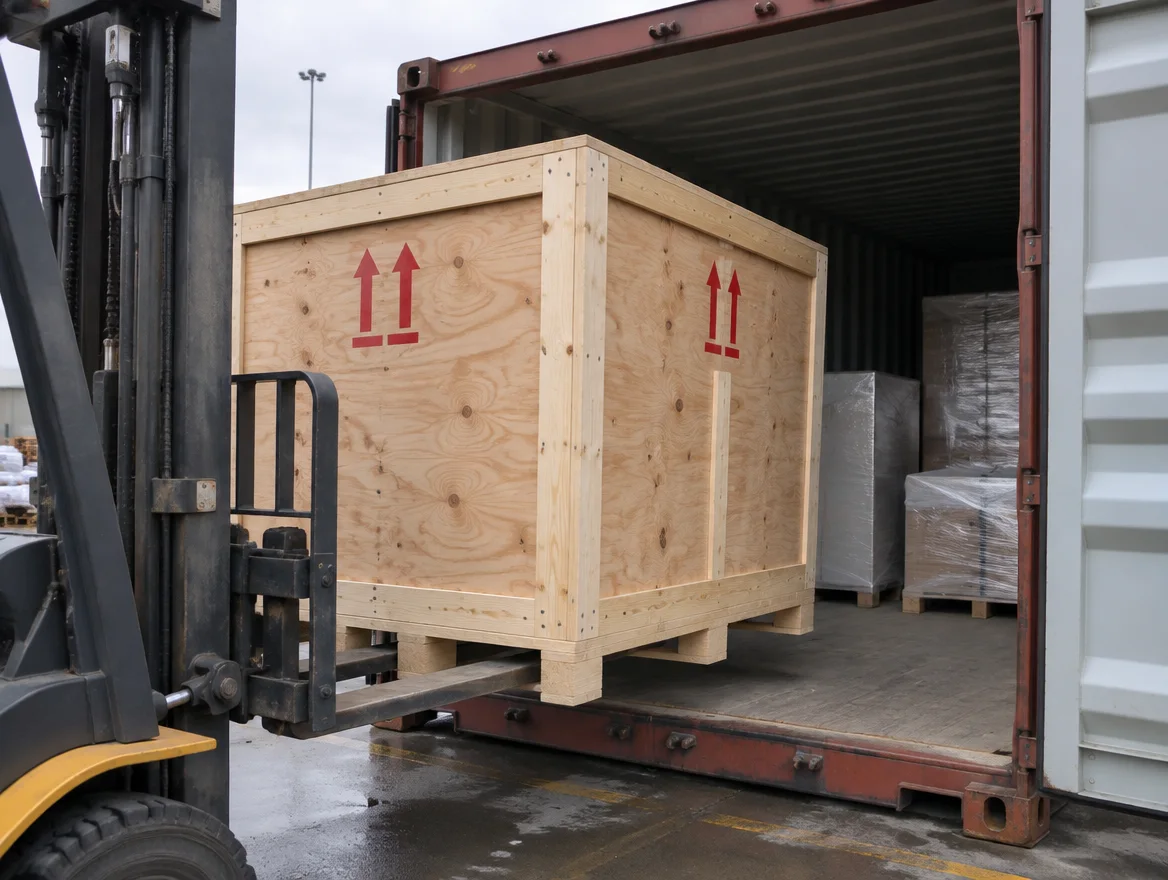
On a move abroad, the crates have to be export ready, and the paperwork has to be in order. Solid wood packaging crossing a border usually has to meet ISPM 15; our crates are heat treated and carry our own registered stamp. Older, valuable art and antiques can need an export licence, and pieces with ivory or protected woods can need CITES permits.
We don't handle customs paperwork: export declarations, licences and import entries stay with you, the customer or a customs agent, as they would on any move. Our route pages explain what to check: shipping furniture to the USA, Europe and Dubai.
Got a move coming up with a few pieces that worry you? Send us the list with photos and dates, and we'll come back to you.
Common questions
Do you work as a subcontractor for removal firms? +
Yes. We crate the art, antiques and fragile pieces in your move, deal with you rather than your customer, and the job carries your name.
Will you contact our customer directly? +
Only if you ask us to, for something like access on the day. We never approach your customer for other work.
Can you deliver crates before our packing day? +
Yes. Send us the measurements from your survey, we confirm them with you, build the crates and deliver them to the address before packing day.
What if a piece is too awkward to measure? +
Then we collect it and build the crate around the piece at our warehouse, so nobody has to measure it. Your crew collects the finished crate, or we arrange delivery.
Can you crate a piano for a move? +
Yes. We crate pianos, and any other object, item and weight. See pianos.
Can you work weekends? +
We work 9am to 4pm, 7 days a week. Tell us your dates and we'll fit around them.
Are the crates reusable? +
Lids are screwed down so they open cleanly and can be closed again, which suits moves where a piece goes into storage first.
Is the piece insured while it travels? +
Transit insurance is bought by you, job by job, so the cover matches the piece and its real value. We have public and product liability insurance. See our insurance page for what to ask.
How much does it cost? +
Every quote is bespoke, based on the piece itself: its size, weight, how fragile it is and where it is going. We don't use a rate card. Send us the details and a few photos and we'll price your job.
Related
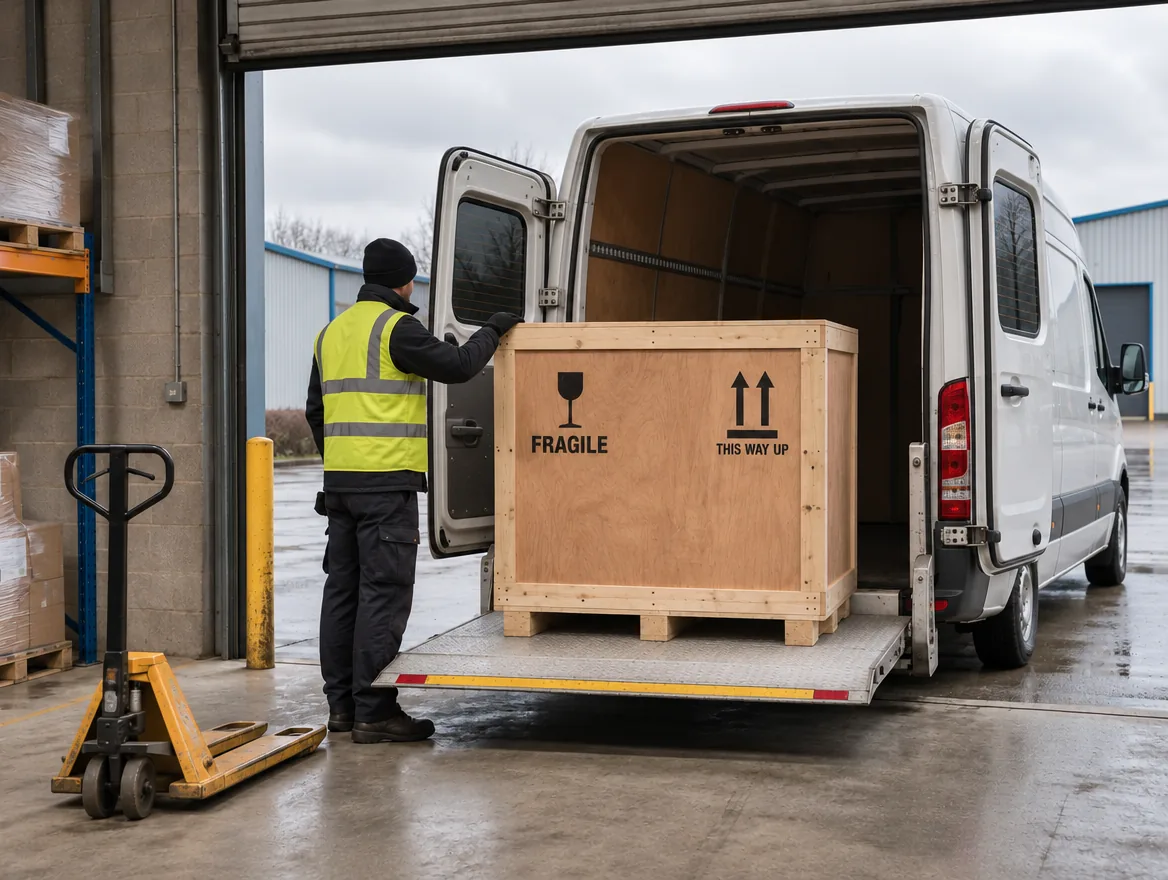
Nothing to measure. We build the crate around the piece.
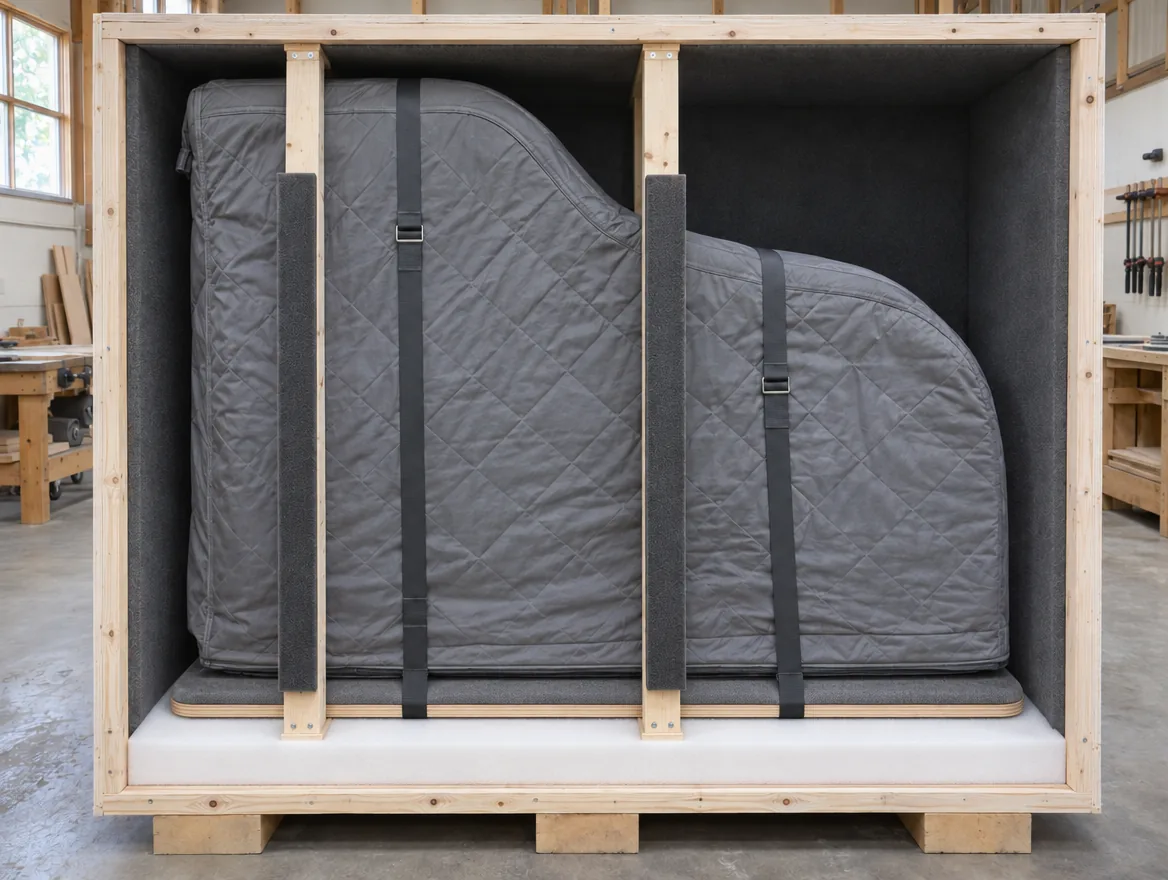
Grands on their side, uprights standing, crated on skids.
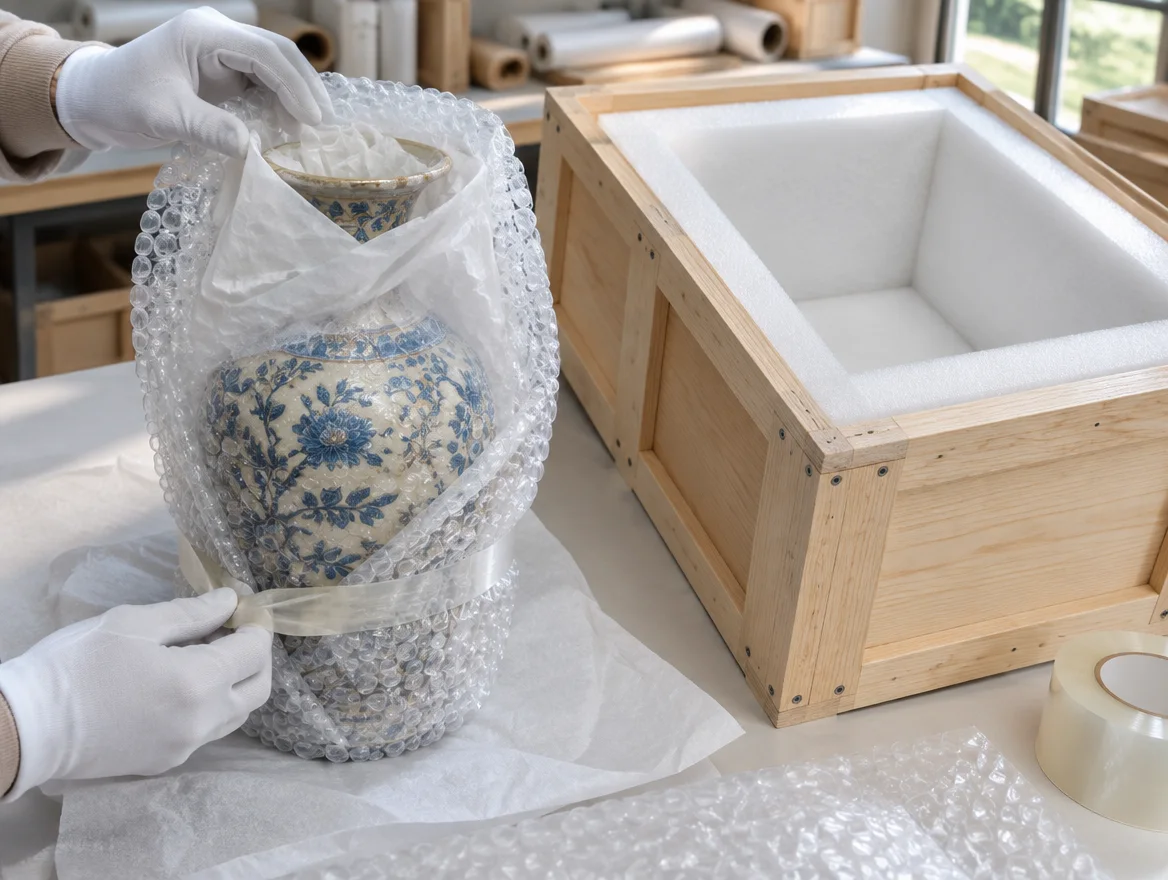
Parts packed apart, finish wrapped, crated upright.
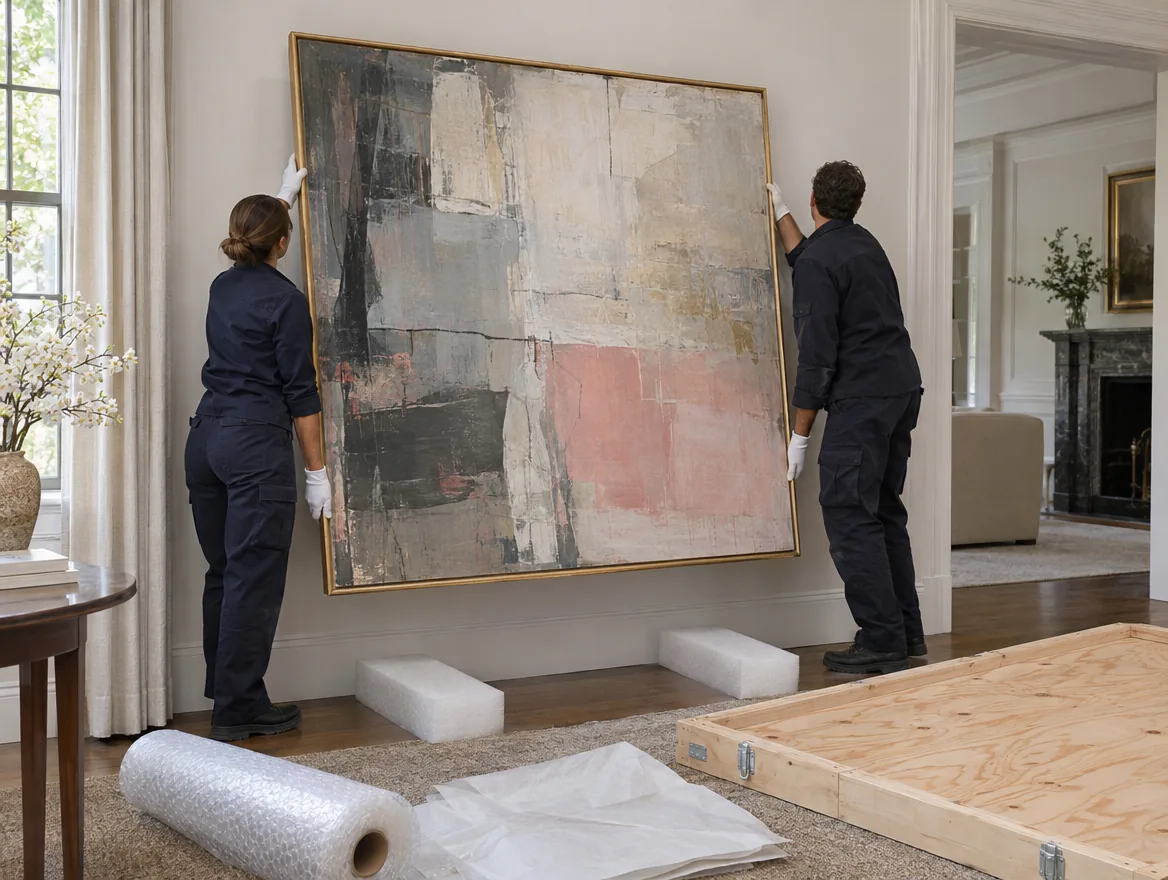
Works moved, wrapped, lifted and crated by careful hands.
Swipe for more →
Tell us what needs to travel.
Every quote is bespoke, based on the piece itself. Send us the details and we'll come back to you.